
How Local Demolition Companies Support Safer, More Efficient Projects
The pace of redevelopment across cities and industrial corridors continues to accelerate, placing new demands on firms responsible for safely clearing outdated or damaged structures. From brownfield remediation to complex commercial tear-downs, demolition is no longer a blunt-force phase of construction—it is a precision-driven discipline shaped by safety law, environmental standards, and community expectations. According to IBIS World, there were 4,772 businesses in the demolition and wrecking industry in the U.S. as of 2025, underscoring both the size of the sector and the importance of choosing the right provider. In this competitive environment, local demolition companies play a critical role in keeping projects compliant, efficient, and aligned with neighborhood needs while delivering the technical skill modern development requires. The right demolition team influences every phase of redevelopment, from first inspections and environmental controls to final site clearance and handoff.
Understand The Scope And Role Of Demolition Services
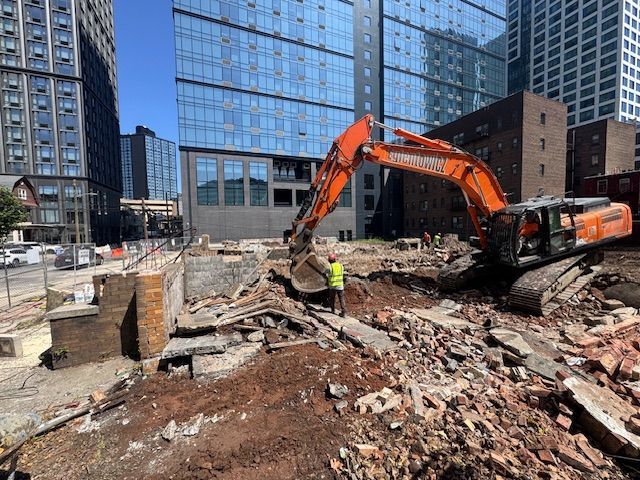
Demolition firms are responsible for far more than bringing structures down. Their work involves engineering analysis, environmental evaluation, sequencing plans, debris management, and coordination with inspectors before heavy equipment ever arrives on site. These responsibilities make local demolition companies central partners in redevelopment rather than isolated subcontractors. They assess building conditions, determine structural load paths, and identify hazardous materials that must be removed before dismantling can proceed. Because every project differs, teams tailor their approach to the building type, surrounding infrastructure, and intended reuse of the land. Partial removals, interior strip-outs, and structural stabilization often occur before full demolition, allowing properties to transition safely into their next phase. That adaptability ensures construction teams inherit sites that are ready—not risky—for redevelopment.
Implement Comprehensive Safety Planning And Oversight
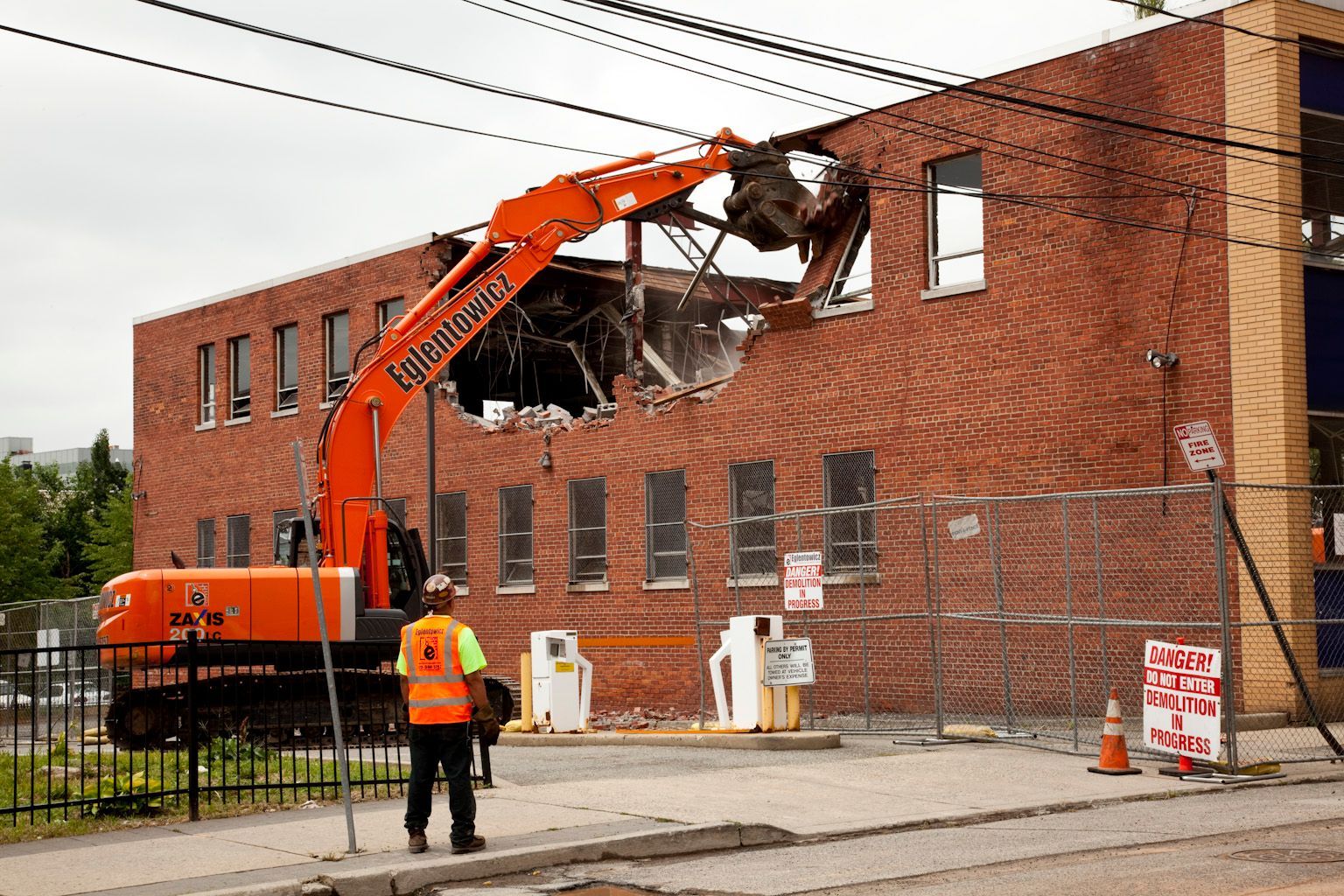
Safety planning begins long before demolition equipment is mobilized. Pre-job hazard analyses examine unstable walls, overhead utilities, underground tanks, and environmental contaminants so crews can design mitigation strategies around them. This systematic preparation is a defining trait of local demolition companies that operate responsibly within dense communities and industrial districts. Modern sites also rely on controlled access zones, dust-suppression systems, traffic-management plans, and continuous monitoring to protect workers and neighbors alike. Supervisors conduct daily briefings and inspections to verify that controls remain effective as conditions change. These measures are not just regulatory obligations—they are essential for preventing costly delays, protecting property, and maintaining community confidence.
When hazardous materials are present, safety planning becomes even more layered and time-sensitive. Asbestos-containing materials, contaminated debris, and unknown legacy building products require controlled procedures, proper containment, and trained handling so exposure risks stay low. Teams that offer specialized abatement and remediation support can prevent the “demo-first, fix-later” problem that leads to shutdowns, violations, and expensive rework. That is also where round-the-clock emergency capability matters, because a compromised structure or surprise hazard does not always show up during business hours. Emergency preparedness further strengthens project reliability. Crews rehearse response procedures for equipment failures, structural shifts, or environmental incidents, while coordination with municipal responders ensures rapid support if unexpected situations arise. That layered approach to safety keeps projects moving forward even when conditions become unpredictable.
Strengthen Community Communication And Partnerships
Redevelopment often occurs close to homes, businesses, and public facilities, making transparency vital. Local demolition companies rely on proactive communication strategies to inform residents and stakeholders about timelines, work hours, truck routes, and mitigation measures. Clear expectations reduce friction and allow surrounding operations to plan around active job sites.
Listening is equally important. Feedback from neighbors about noise, dust, or access points can lead to schedule adjustments or modified containment systems that improve day-to-day conditions. When concerns are addressed quickly, trust builds and projects gain smoother paths through inspection phases and permitting processes.
Community partnerships extend beyond logistics. Educational outreach, safety briefings, and collaboration with redevelopment authorities demonstrate a commitment to long-term neighborhood improvement rather than short-term disruption. These relationships reinforce demolition’s role as a catalyst for renewal rather than a nuisance to be endured.
Advance Environmental Stewardship And Sustainable Practices
Environmental responsibility is now a core expectation in redevelopment, and local demolition companies are increasingly evaluated on how effectively they minimize ecological impact. Material separation and recycling programs divert concrete, steel, and wood from landfills, lowering disposal volumes while supporting circular-economy goals. Dust control systems, water misting, and air-quality monitoring protect nearby properties and comply with environmental thresholds. Noise-reduction strategies, fuel-efficient machinery, and careful staging further limit project footprints. These practices protect public health while keeping operations aligned with evolving regulatory standards.
Site conditions also drive environmental strategy, especially when soil or groundwater concerns are involved. Remediation planning may include targeted removal, stabilization, or treatment steps designed to reduce risk and prepare the property for reuse. Soil handling requires careful testing, documented transport, and proper disposal routes so contaminants do not spread beyond the work area. When these steps are built into the demolition plan from the beginning, the site is more likely to pass inspections smoothly and move directly into redevelopment without a costly pause. Selective deconstruction also plays a growing role in sustainability efforts. By dismantling structures in phases and salvaging usable components, demolition teams reduce waste and support cost-efficient reuse. When paired with comprehensive site-remediation plans, these strategies prepare properties for clean redevelopment and long-term productive use.
Integrate Modern Technology And Precision Tools
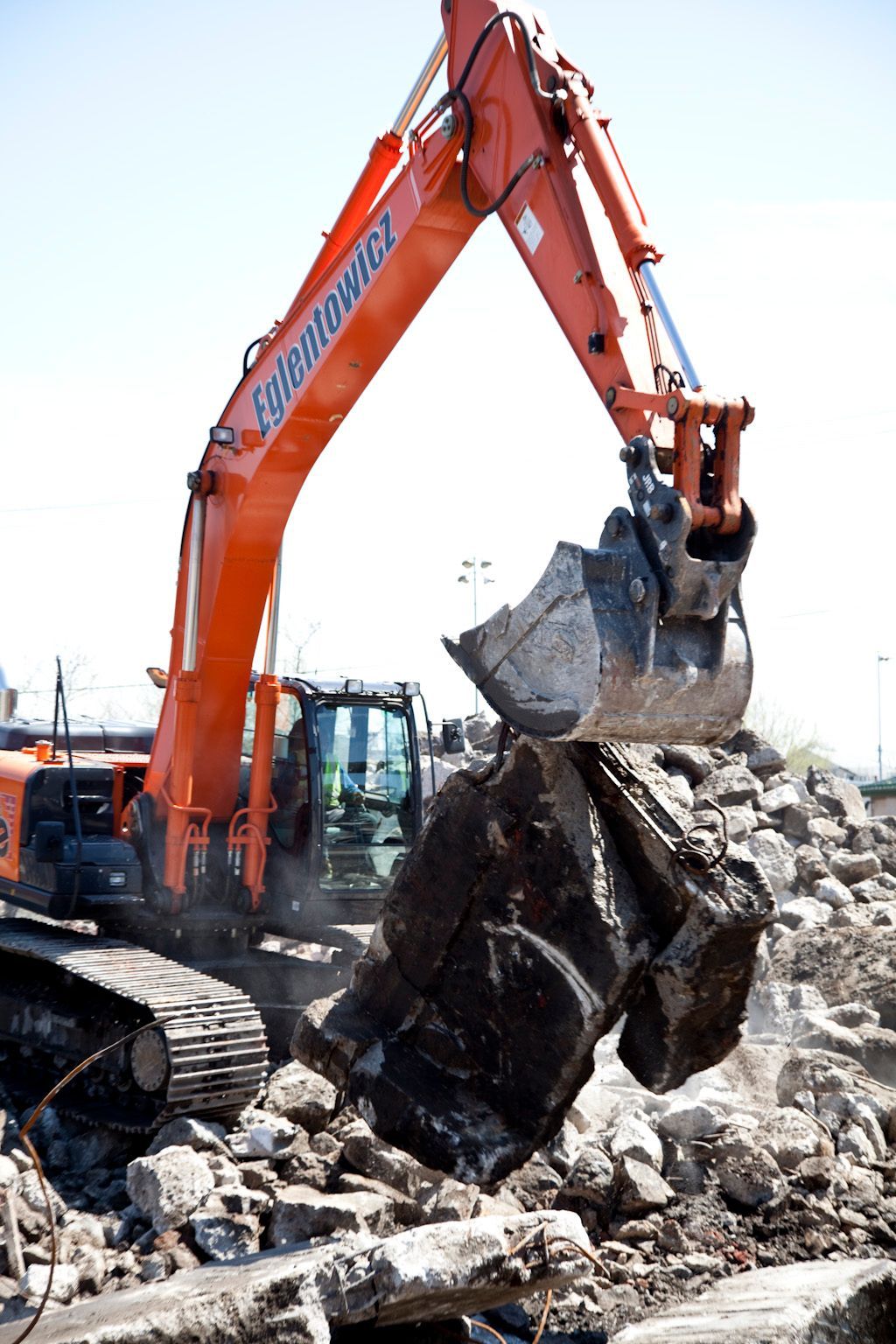
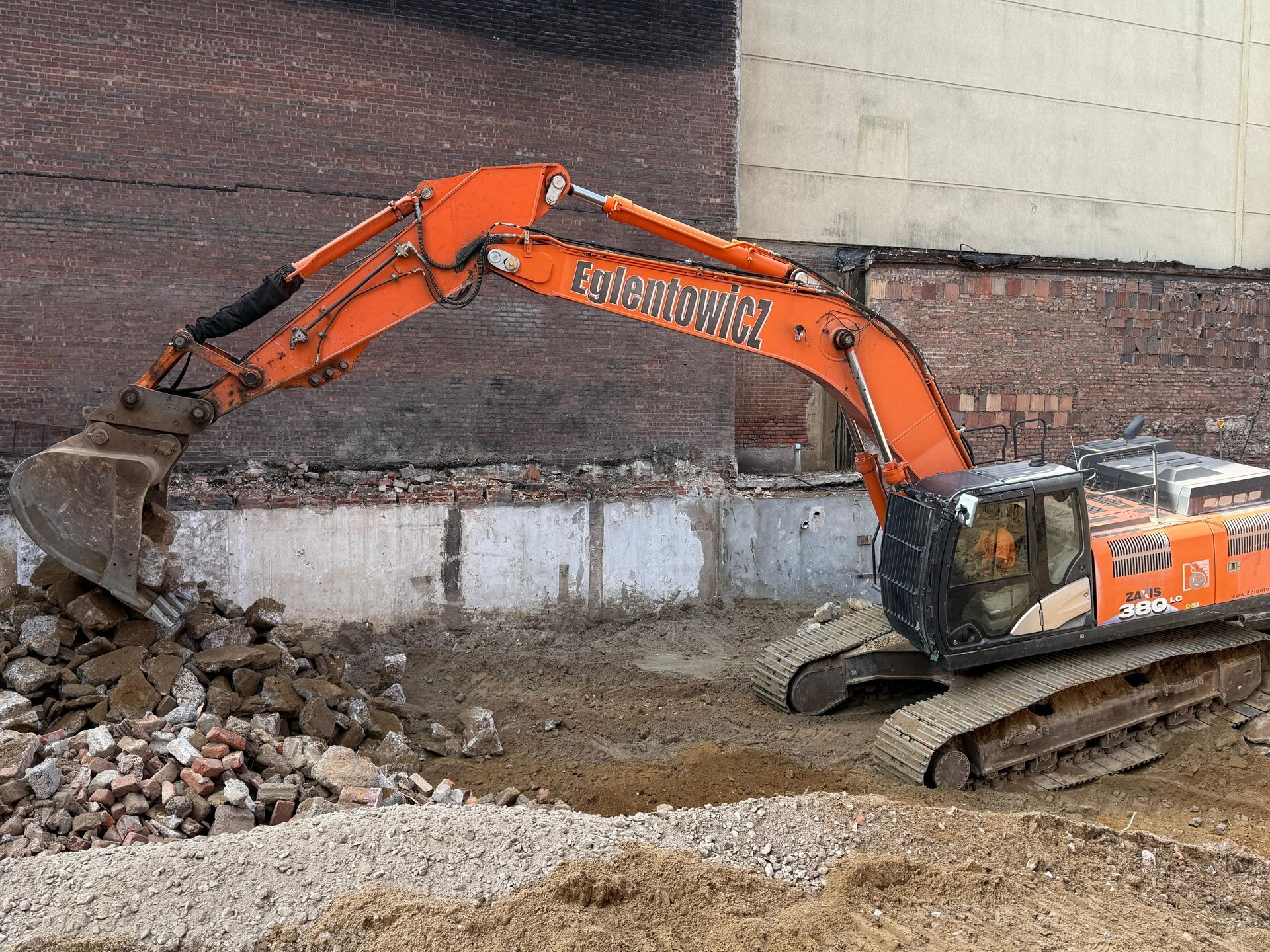
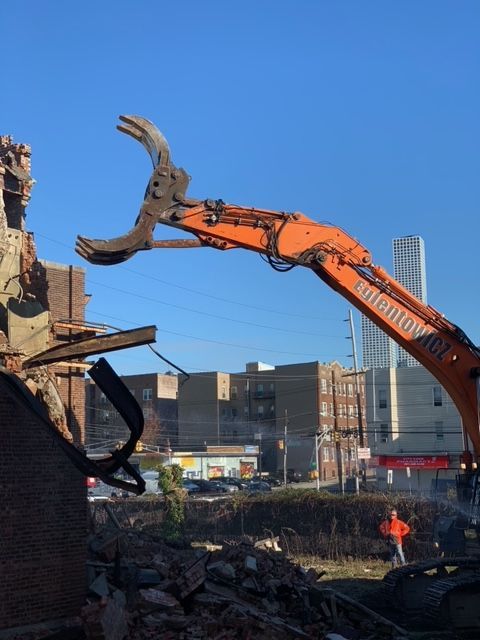
Technology continues to reshape demolition operations, improving safety and predictability across complex projects. Robotics and remotely operated equipment allow crews to dismantle unstable structures from protected distances, reducing exposure to falling debris or hazardous materials. High-reach excavators and specialized attachments further increase control in confined or elevated environments. Digital mapping and modeling platforms allow teams to simulate dismantling sequences, locate utilities, and plan debris flows with remarkable accuracy. Virtual and augmented reality systems also enhance training and planning. Workers can rehearse procedures in controlled simulations, while supervisors visualize staging layouts and contingency scenarios before work begins. By embracing these tools, local demolition companies elevate efficiency while reinforcing safety culture across every phase of the project.
Manage Costs, Timelines, And Operational Efficiency
Demolition schedules directly affect downstream construction phases, making disciplined project management essential. Detailed budgets account for assessments, abatement activities, hauling logistics, and regulatory compliance so clients receive realistic cost projections from the outset. Monitoring systems track expenditures in real time, allowing managers to adjust tactics before overruns occur.
Scheduling software and milestone tracking keep crews, equipment, and inspectors aligned. By forecasting bottlenecks and coordinating deliveries or removals precisely, demolition teams minimize idle time and avoid congestion on active sites. That level of coordination allows redevelopment to proceed without unnecessary interruptions. Risk management also protects project momentum. Weather disruptions, equipment failures, or unexpected subsurface conditions are addressed through contingency plans and rapid-response strategies. Post-project reviews then capture lessons learned, refining procedures for future jobs and strengthening operational consistency across the organization.
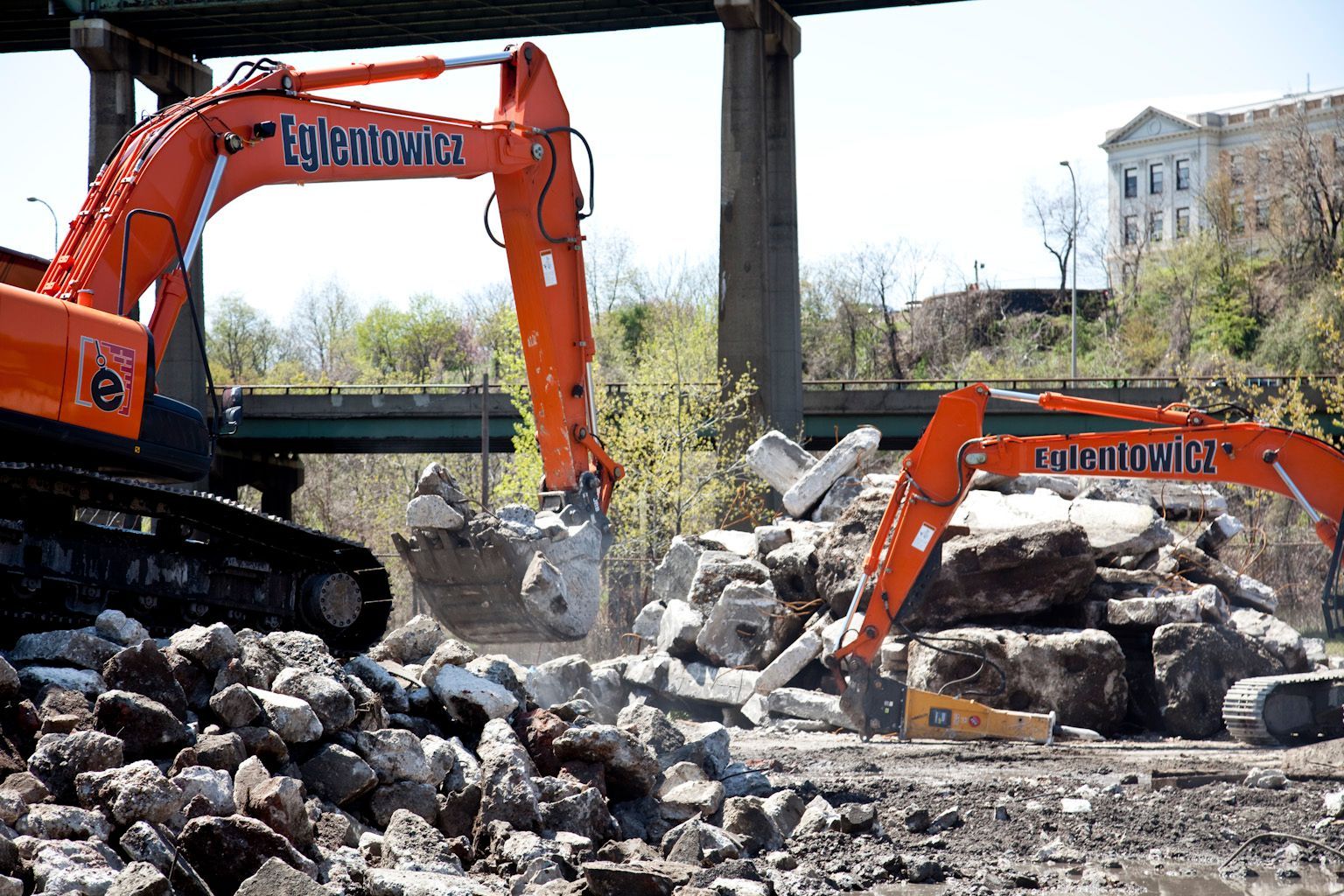
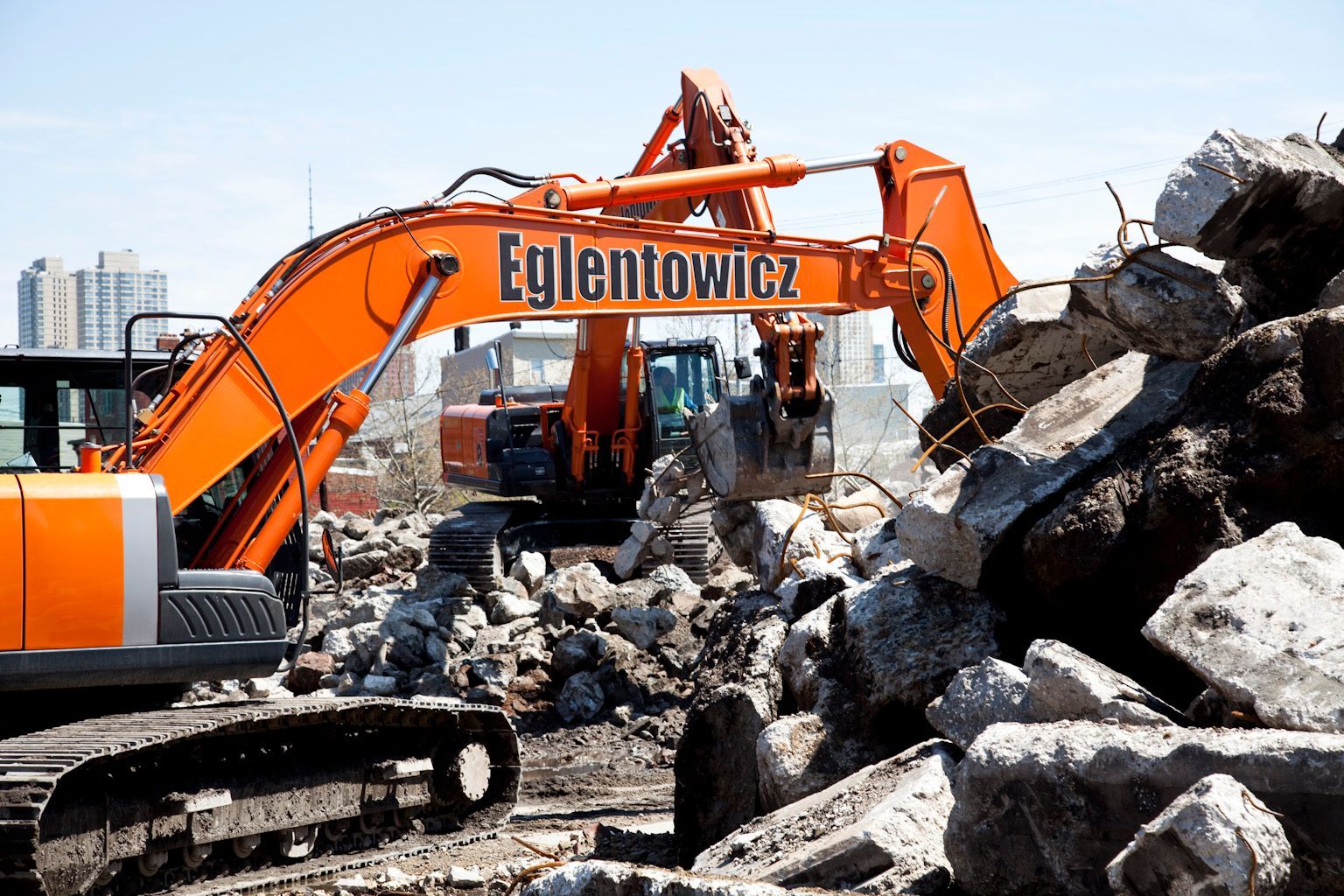
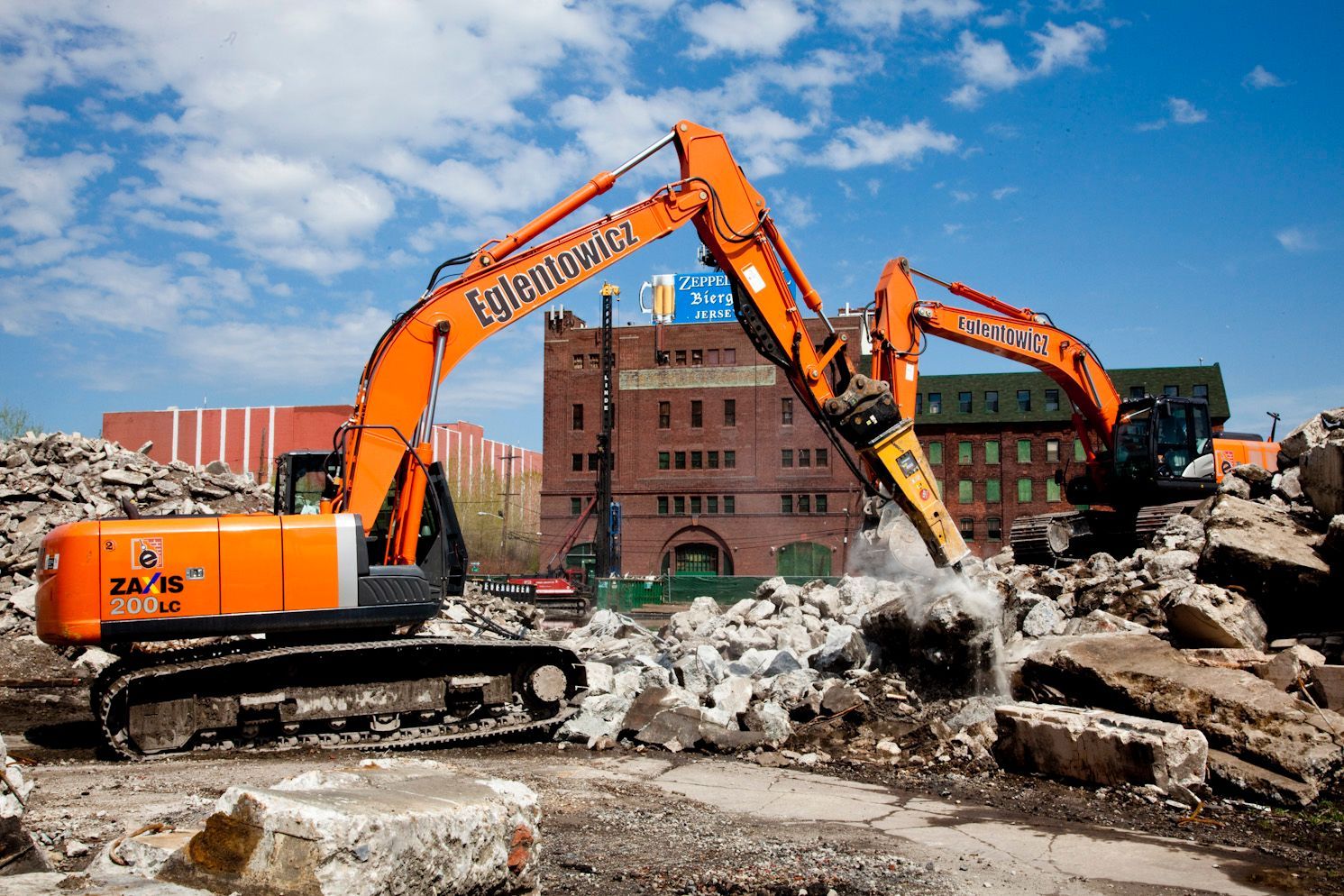
Local demolition companies contribute far more than site clearance—they safeguard workers, respect communities, protect ecosystems, and prepare properties for productive reuse. Through rigorous safety systems, transparent communication, technological investment, and disciplined management, they form the backbone of responsible redevelopment in growing regions. If you are planning a commercial or industrial project in northern New Jersey, Eglentowicz Demolition & Environmental Company is ready to assist. Our local, family-owned team has served the Kearny, NJ area since 2009 with 24/7 emergency service, free project estimates, and specialized capabilities in asbestos abatement, industrial and commercial demolition services, site remediation, and soil remediation. Contact Eglentowicz Demolition & Environmental Company today to discuss your project and learn how our experienced professionals can deliver safe, efficient results from start to finish.













Share On: