
7 Questions to Ask About Demolition
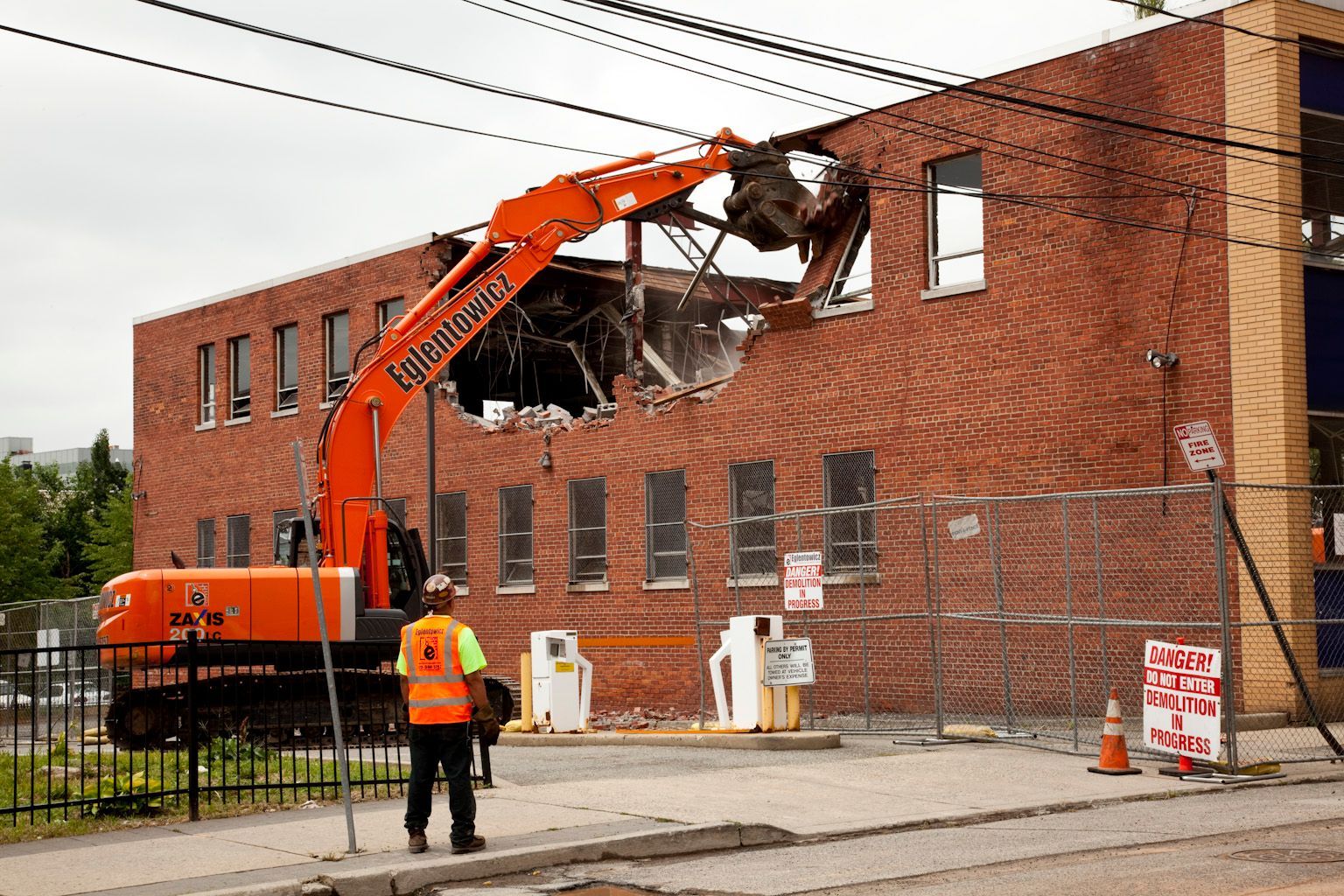
Demolition in the commercial and industrial world may look simple from the outside, but anyone who has planned or overseen a major teardown knows how many moving parts are involved. These projects require coordination, regulatory awareness, and a clear understanding of what is being removed and why. And with so much waste generated in the process, the stakes are high. According to the U.S. Environmental Protection Agency, demolition represents more than 90 percent of total construction and demolition debris generation, while construction represents less than 10 percent. That reality highlights just how important it is to approach each phase with intention.
1. What Is the Scope of the Demolition?
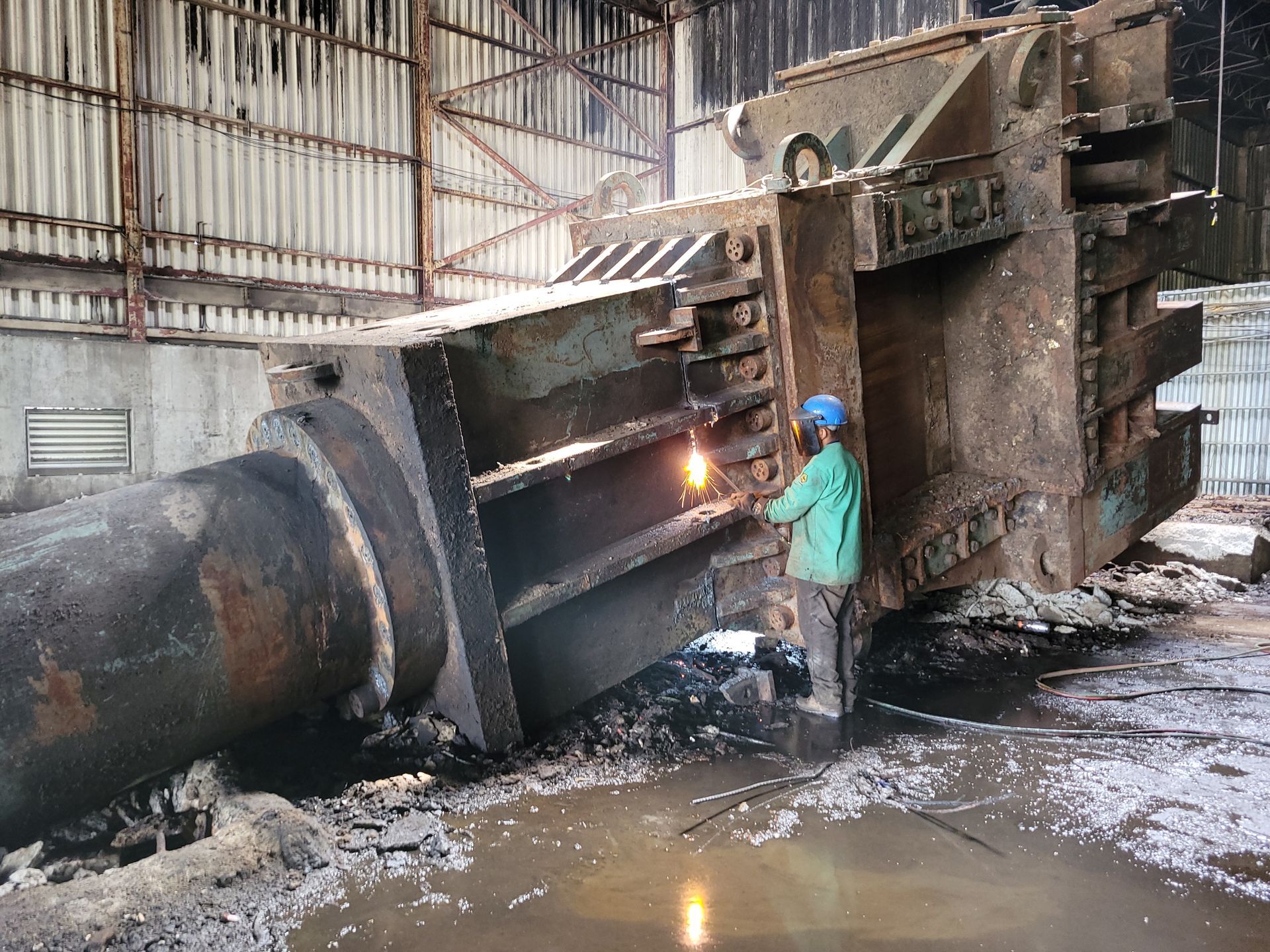
Clearly defining the scope of your demolition is the first step toward preventing confusion later. Commercial and industrial sites often include structural reinforcements, mechanical rooms, production lines, and specialized installations that require deliberate planning. The demolition team needs to know exactly what will be removed and which areas must remain untouched.
Taking time to outline the scope also helps identify any complexities, such as multi-story structures, heavy machinery, or sensitive areas. This clarity ensures your demolition contractor can prepare the right equipment, personnel, and safety measures before the work begins.
2. What Are the Environmental Impacts?
Environmental responsibility plays a major role in large-scale demolition. Recycling and repurposing options are often available, and many industrial components can be salvaged rather than discarded.
Asking about environmental impact also opens the door to discussing potential hazardous materials. Industrial sites may contain asbestos, chemicals, or outdated equipment that require special handling. Knowing this upfront helps reduce liability and keeps the demolition project moving smoothly.
3. What Permits Are Required?
Regulatory requirements for industrial and commercial demolition can be extensive. Local codes may require structural assessments, environmental clearances, utility shutdowns, and formal demolition permits. Knowing which documents are needed helps prevent costly delays and keeps the project compliant.
Working with a demolition contractor familiar with local regulations can simplify this step. They can guide you through required paperwork, expected timelines, and any special permitting for complex structures or environmentally sensitive sites.
4. How Will Safety Be Managed?
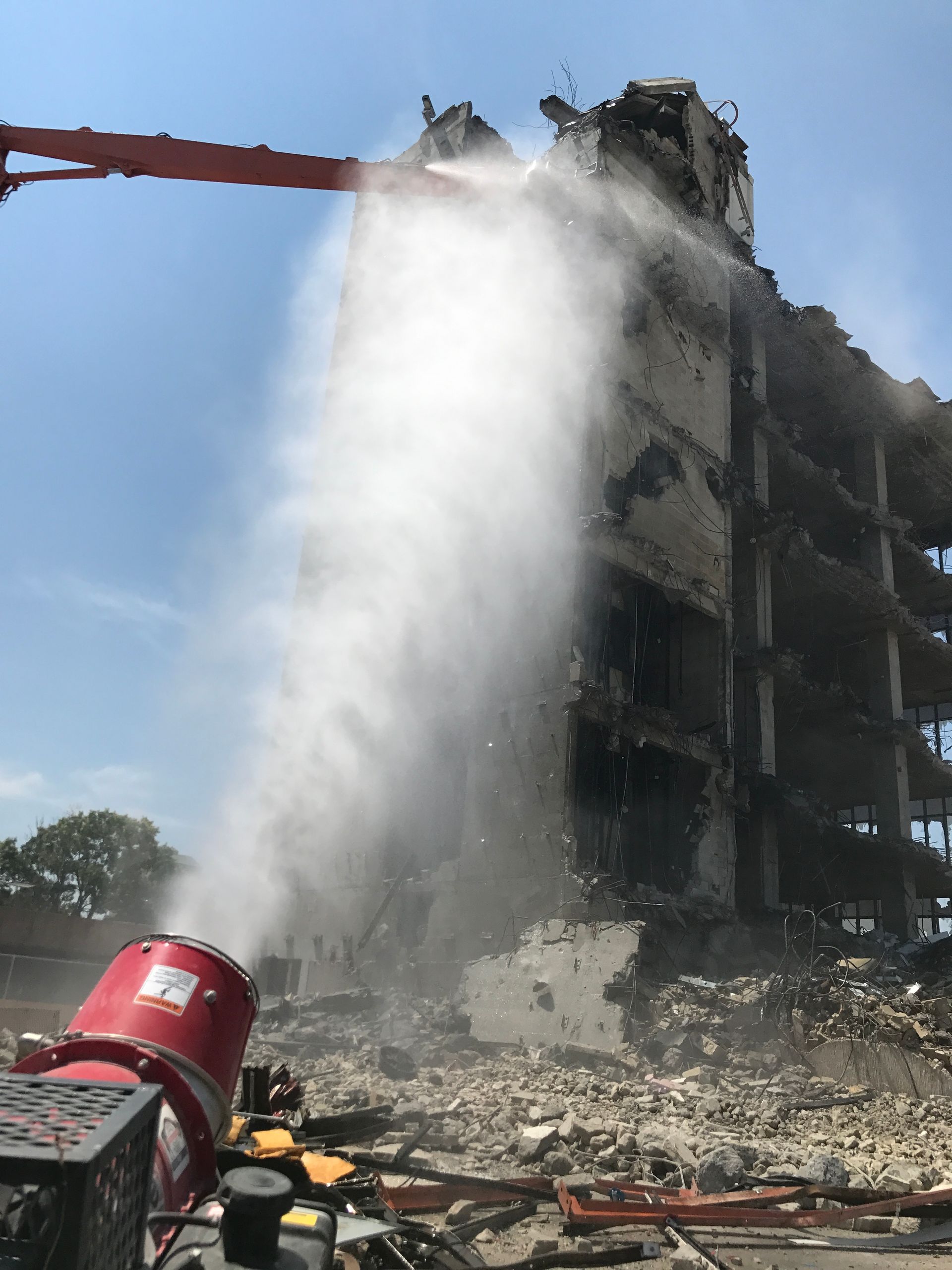
Safety is one of the most important considerations in any commercial or industrial demolition. Large structures, heavy machinery, and active business environments introduce unique risks that must be addressed before work begins. A strong safety plan includes hazard assessments, worker protections, exclusion zones, and fall-prevention measures.
Asking about safety also helps you understand emergency procedures and how teams communicate during the demolition. Regular briefings, inspection protocols, and documentation ensure that everyone knows their responsibilities, reducing the likelihood of accidents on site.
5. What Is the Project Timeline?
Timelines for demolition vary widely depending on the structure, materials, environmental requirements, and permitting schedules. A clear timeline helps you coordinate with future contractors and keep your overall redevelopment project on track.
Be sure to ask about factors that could affect the schedule, such as weather, required inspections, hazardous material removal, or large-volume debris processing. Understanding these variables up front minimizes surprises and allows for better planning.
6. Who Handles Cleanup and Debris Removal?
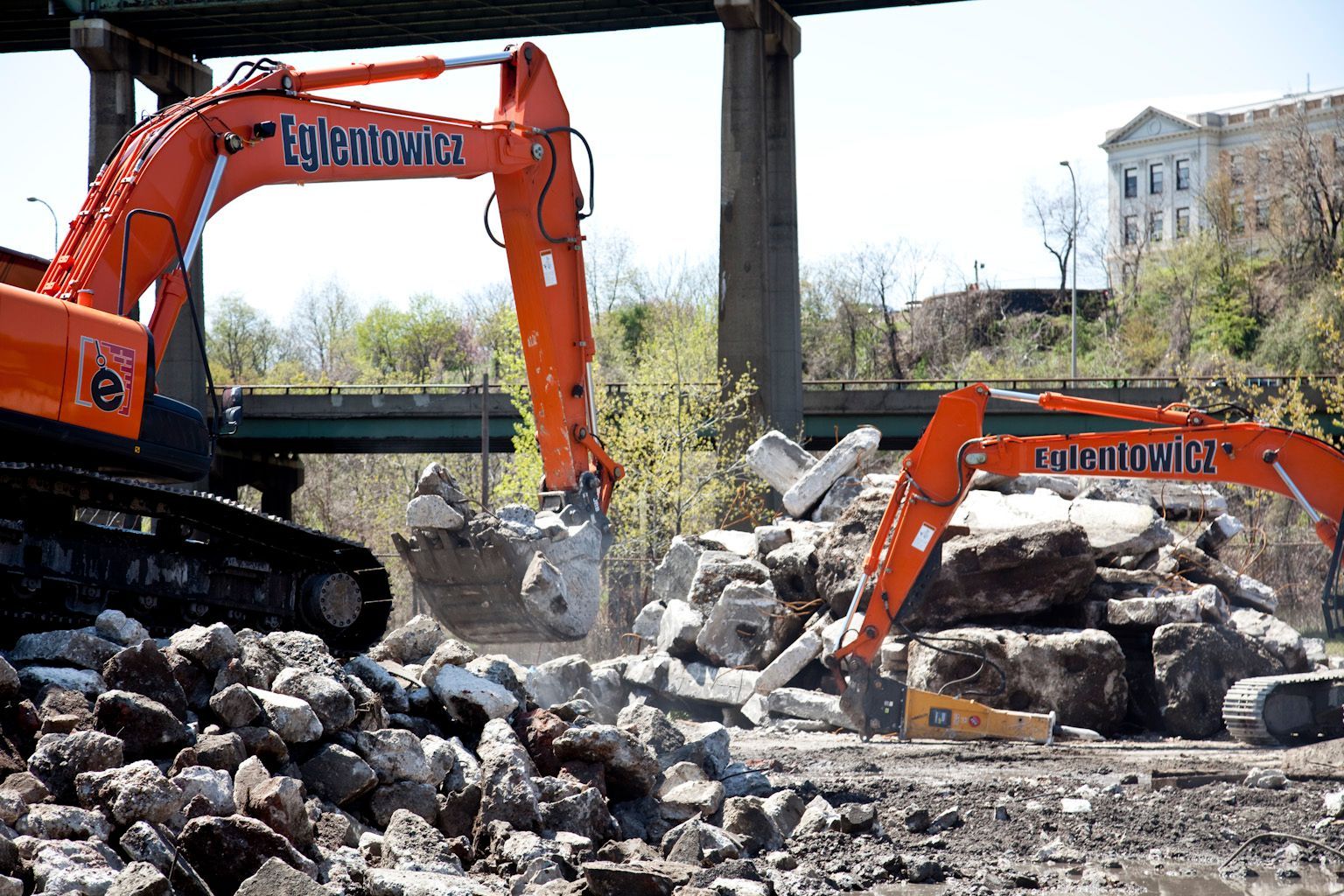
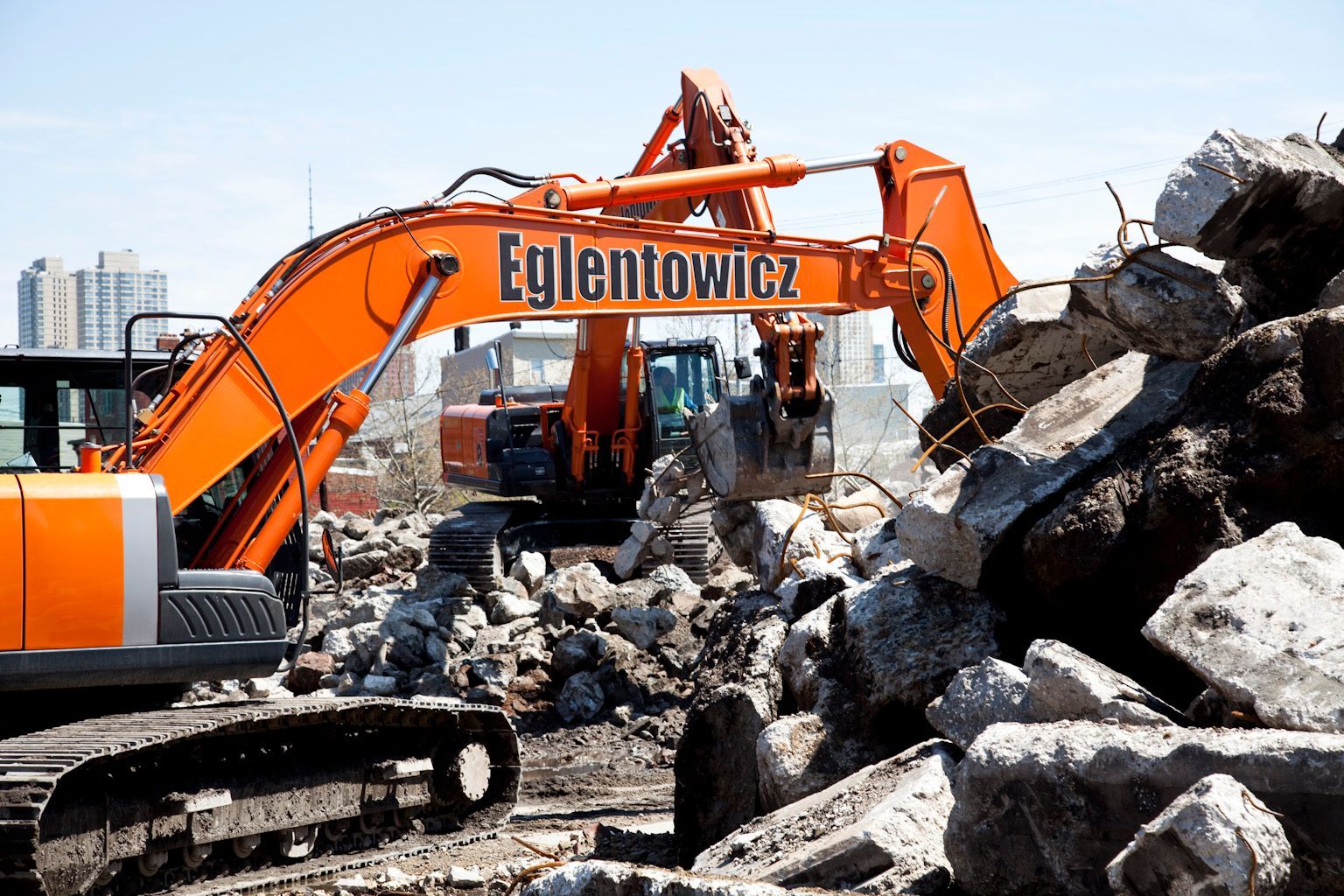
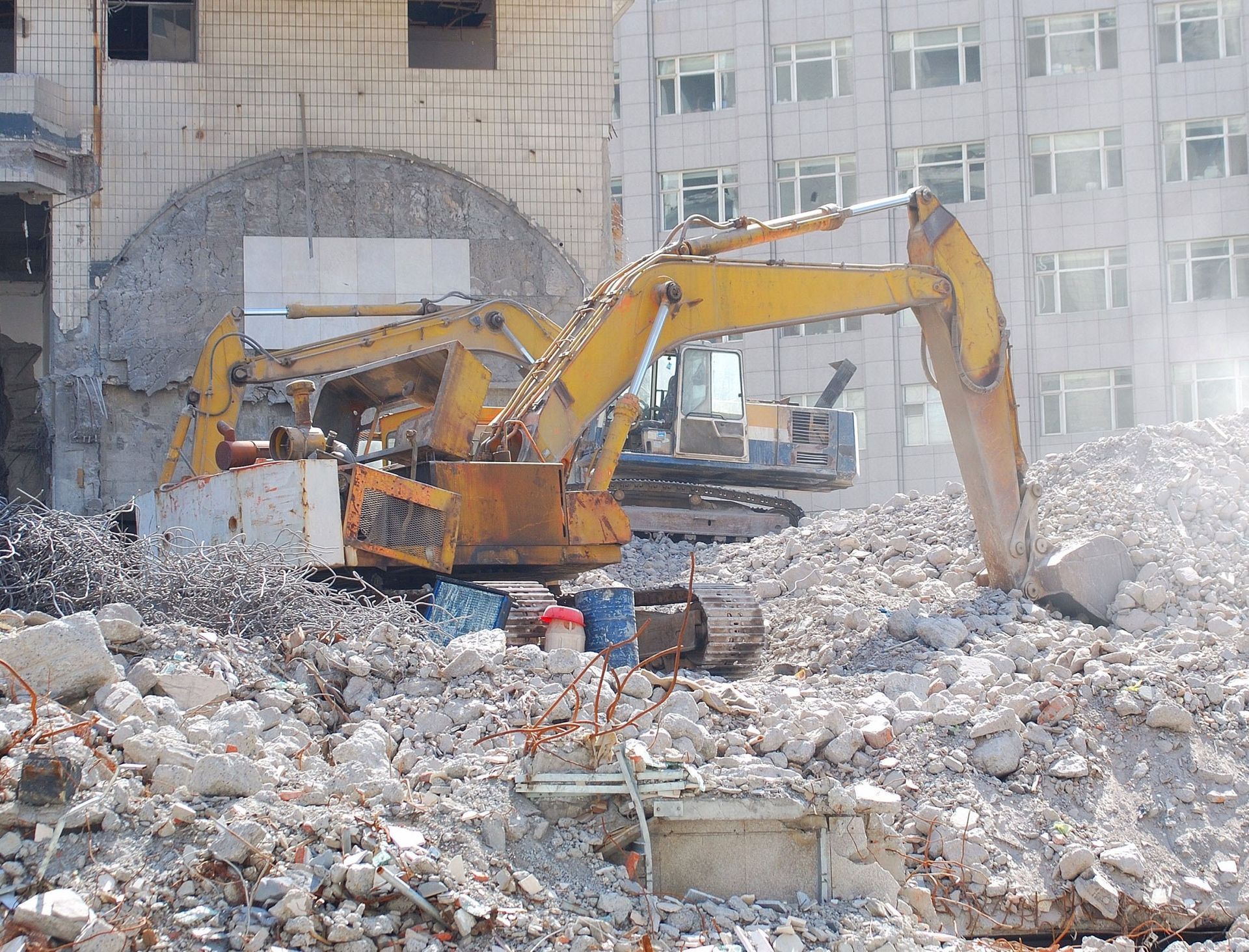
Cleanup is a major component of commercial and industrial demolition, and it requires just as much planning as the teardown itself. Ask how debris will be collected, sorted, and hauled away, and whether recycling options are part of the process.
Knowing who is responsible for final site preparation ensures the area will be left safe, clean, and ready for future construction or operations. This step can significantly influence overall project timing and budget.
7. How Will Costs Be Broken Down?
A detailed breakdown of demolition costs helps you understand exactly what you're paying for and why. Pricing often includes labor, equipment, permitting, debris disposal, and potential hazardous material handling.
Asking about cost structure early in the process prevents misunderstandings and helps create a realistic budget. Transparency is key, especially with large-scale industrial or commercial demolition projects where unexpected challenges sometimes arise.
Demolition may be complex, but asking the right questions makes every stage easier to navigate and helps you move into the next phase of development with confidence. When you take the time to clarify the scope, understand environmental responsibilities, confirm permitting requirements, and discuss safety and scheduling, you set the foundation for a smoother, more predictable project. Industrial and commercial sites often come with unique challenges — from specialized equipment to strict regulatory standards — and having these conversations early helps prevent delays, control costs, and minimize risk. With the right team, the entire process becomes more manageable, efficient, and aligned with your long-term goals. Contact Eglentowicz Demolition & Environmental Company today.




Share On: