
10 Factors That Determine How Long Commercial Demolition Takes
Estimating the timeline for a teardown project is one of the most frequent requests a local commercial demolition contractor receives. While it might be tempting to assume a building can be leveled in a matter of days, the reality involves a complex series of phases that ensure safety and legal compliance. Understanding the timeline helps property owners and developers plan their subsequent construction phases without facing unexpected delays. Several variables dictate how quickly a project moves from the initial walkthrough to a cleared site.
1. Assessing the Building Size and Structural Composition
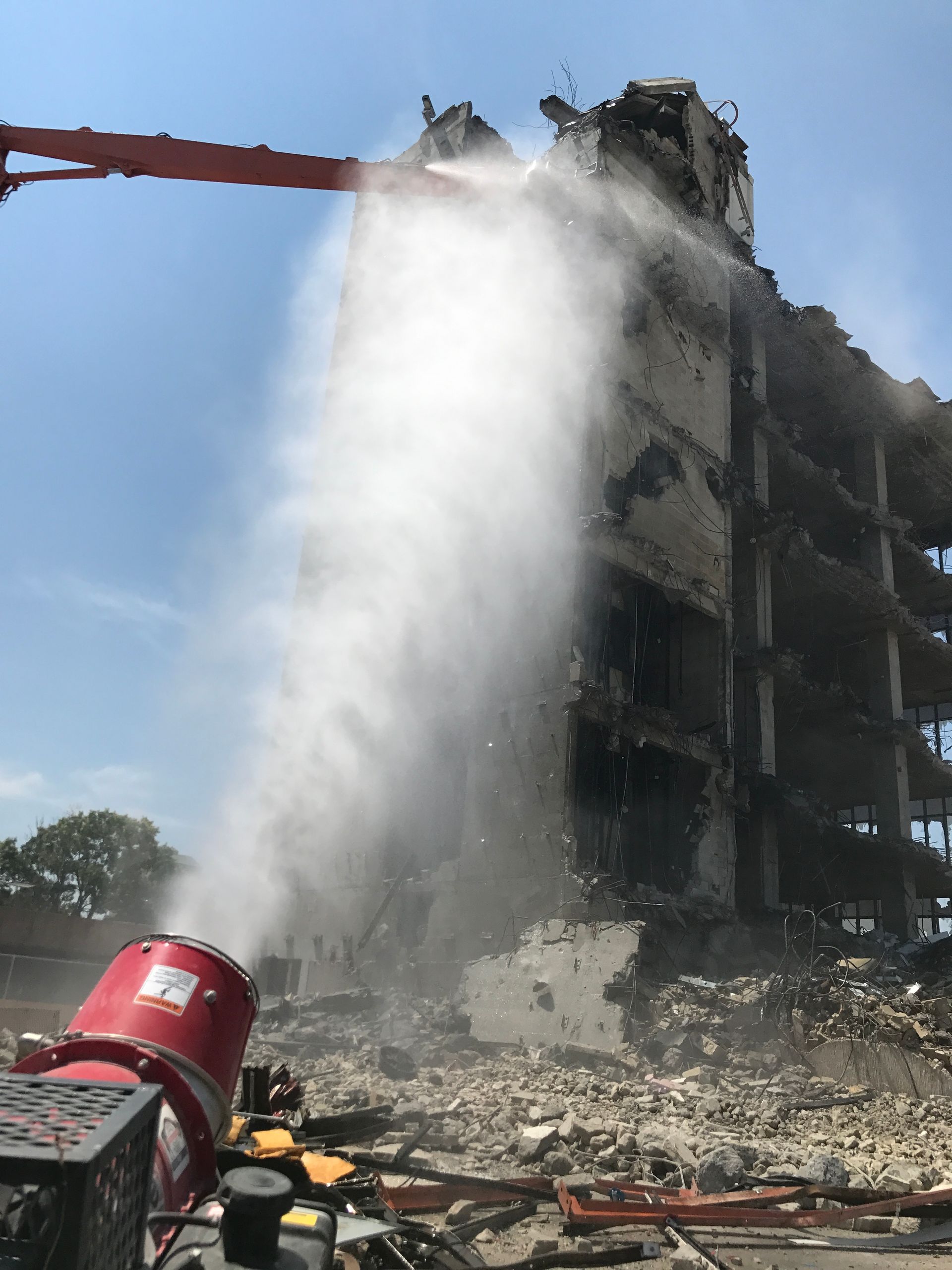
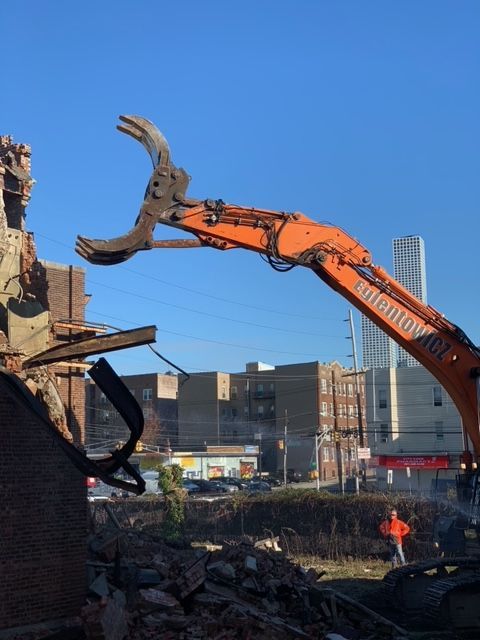
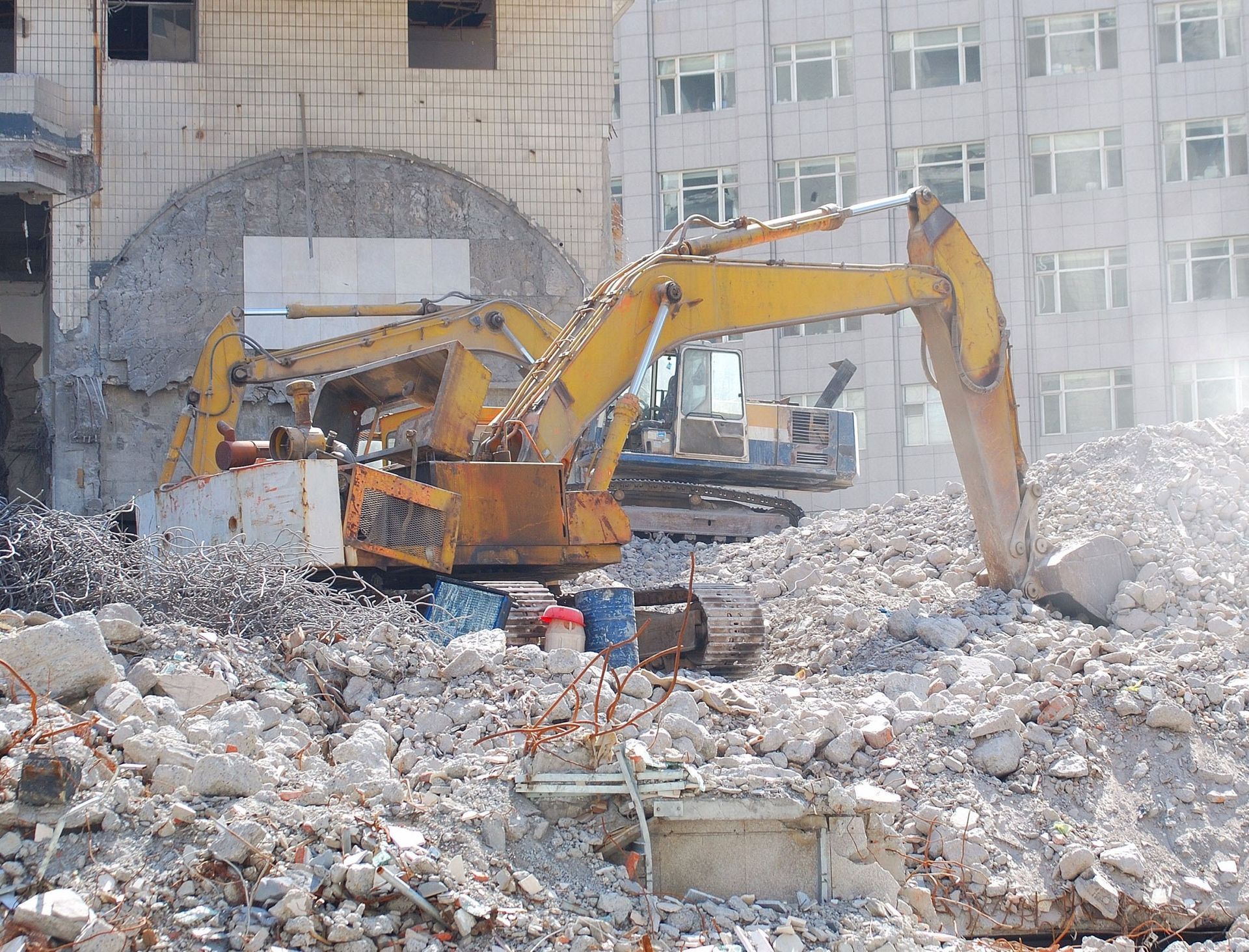
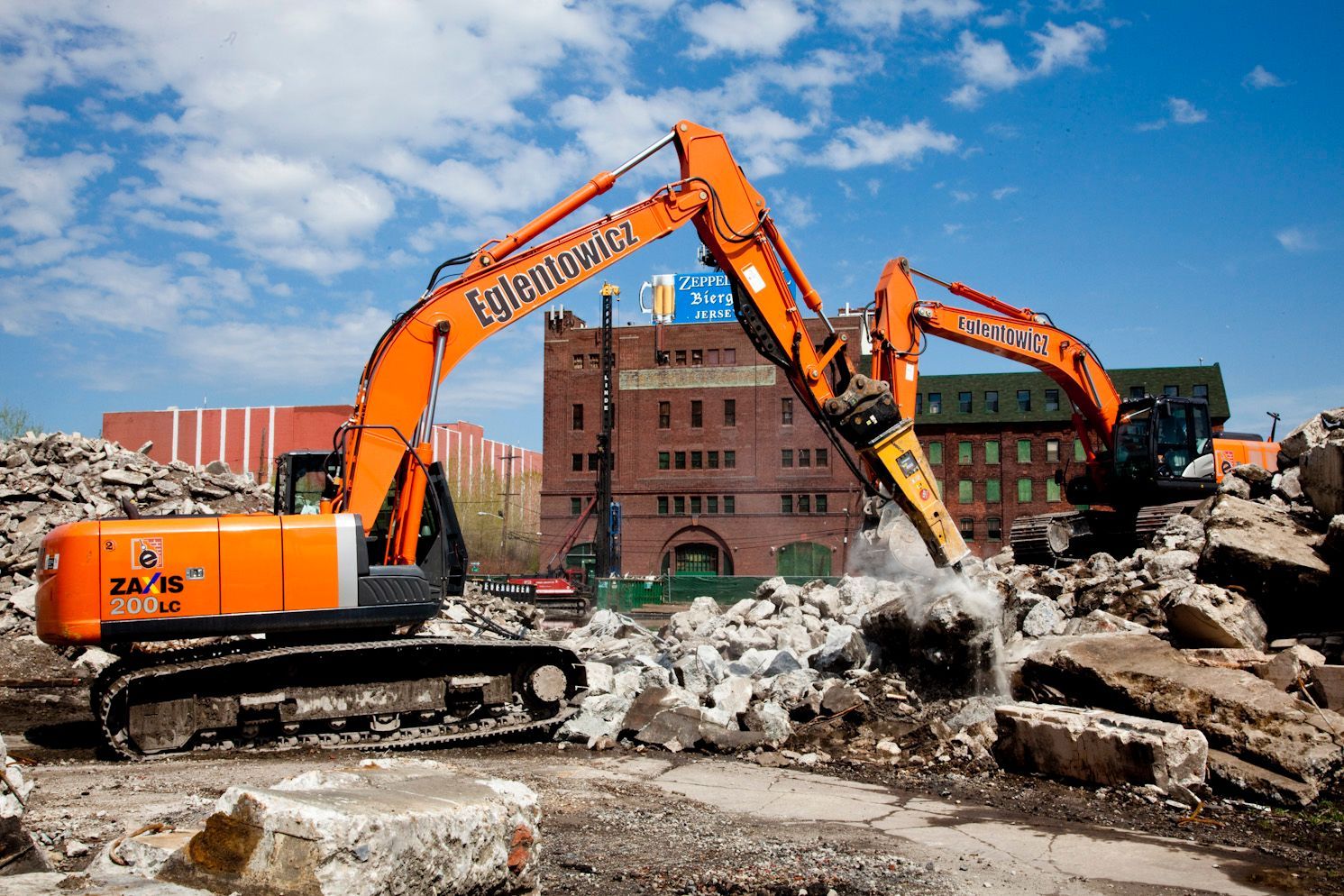
The physical footprint and height of a structure are the most obvious factors in determining a project timeline. A single-story retail space will naturally take less time than a multi-story office complex or an industrial warehouse. Beyond just size, the materials used in the original construction play a massive role. Reaching out to a demolition contractor is necessary because they have the equipment to handle reinforced concrete, steel beams, and heavy masonry, which take longer to dismantle than wood-frame structures. High-rise buildings often require a floor-by-floor approach, which significantly extends the duration compared to a standard mechanical demolition using high-reach excavators.
2. Evaluating Hazardous Material Abatement Requirements
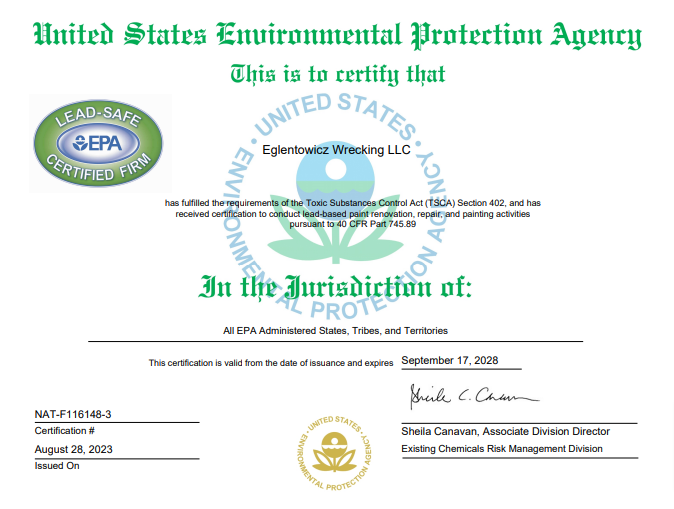
Before any heavy machinery touches the site, environmental safety must be addressed. Many older commercial buildings contain asbestos, lead-based paint, or mercury switches that require specialized handling. A reputable local commercial demolition contractor must perform a thorough inspection and then bring in abatement teams to strip these materials safely. This phase is often the most time-consuming part of the pre-demolition process. Because these materials pose health risks to the public and the environment, this stage cannot be rushed and must be documented according to strict state and federal regulations.
3. Navigating the Permitting and Utility Disconnection Process
The speed of a project is often at the mercy of local bureaucracy and utility companies. Securing the necessary permits can take anywhere from a few weeks to several months, depending on the jurisdiction. Additionally, all utilities—including gas, water, electricity, and sewer—must be properly capped and retired before work begins. A demolition contractor often coordinates with utility providers to ensure these disconnections are verified. If a city department is backed up with applications or a utility company is slow to send out a technician, the start date of the physical demolition will be pushed back accordingly.
4. Managing Site Accessibility and Surrounding Constraints
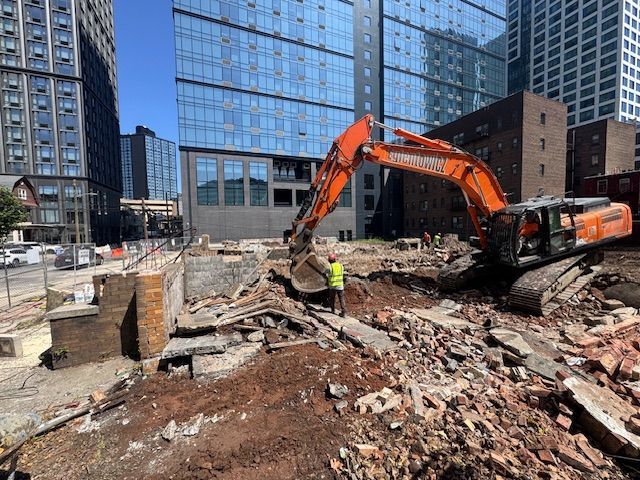
The location of the building influences how efficiently the crew can work. If a structure is located in a congested downtown area with heavy pedestrian traffic and narrow streets, the logistics become much more difficult. In these cases, a local commercial demolition contractor might have to limit work hours to avoid peak traffic times or implement extensive sidewalk closures and debris containment systems. Conversely, a building located on an open, rural lot allows for more aggressive movement of machinery and faster debris hauling, which shortens the overall schedule significantly.
5. Accounting for Industry Growth and Resource Availability
The demand for professional clearing services is currently on the rise, which can impact the availability of crews and specialized machinery. According to The Business Research Company, the industrial demolition service market is expected to grow to $7.95 billion in 2029 at an annual growth rate of 6.2%. As the market expands, scheduling your project well in advance becomes critical. A busy demolition contractor may have several large-scale projects running simultaneously, so securing a slot on their calendar early ensures that your timeline remains a priority during periods of high regional construction activity.
6. Executing the Debris Sorting and Site Clearance
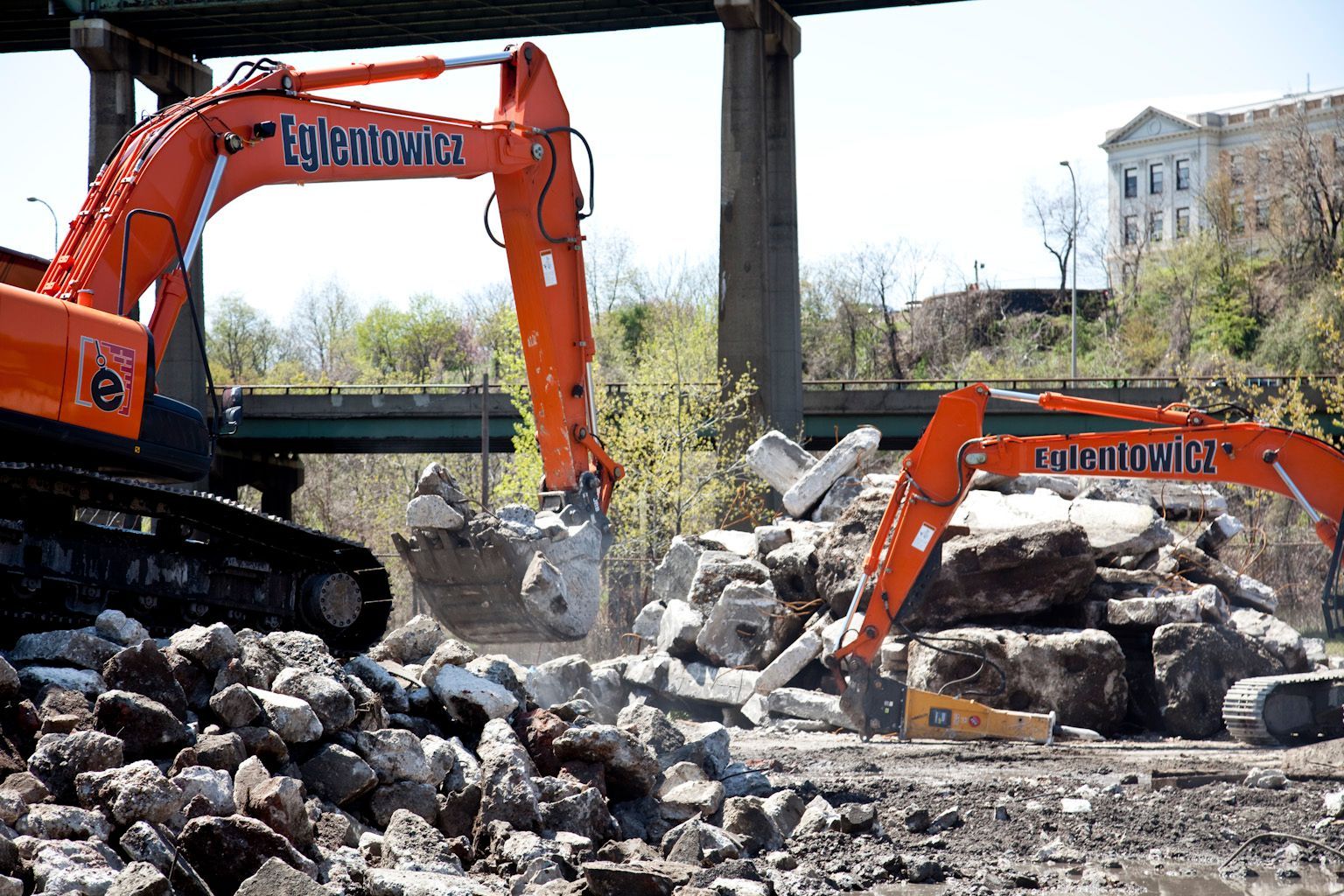
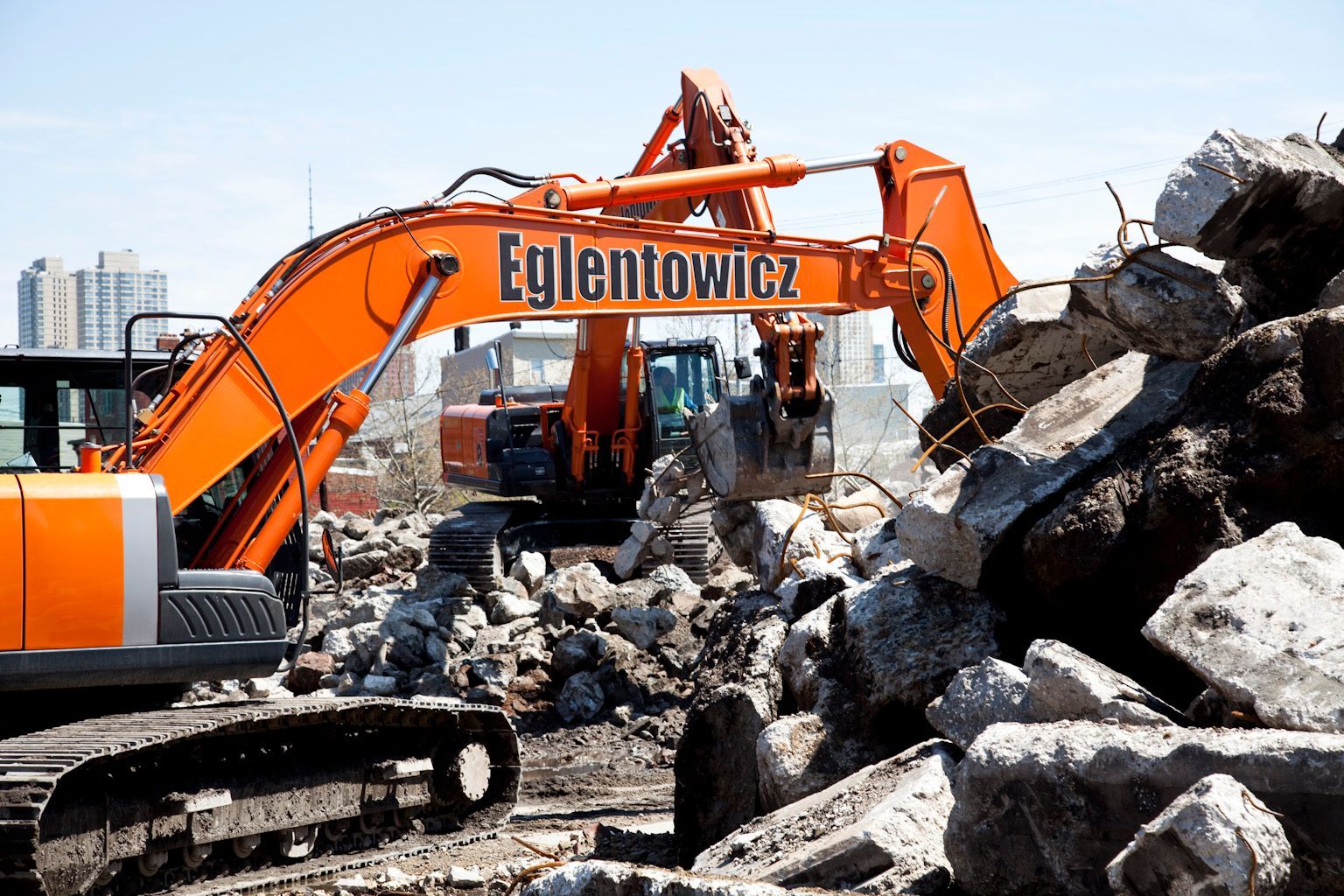
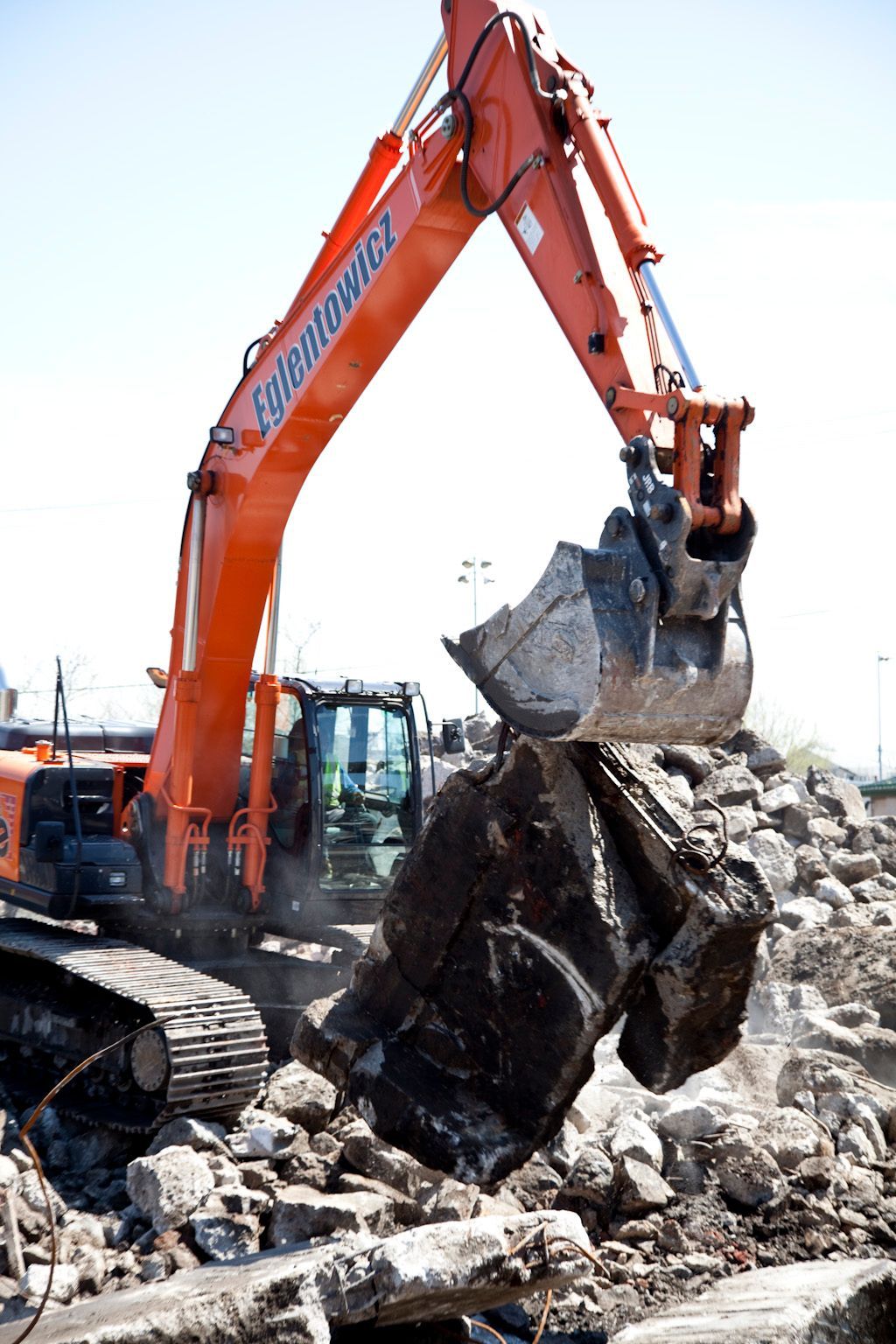
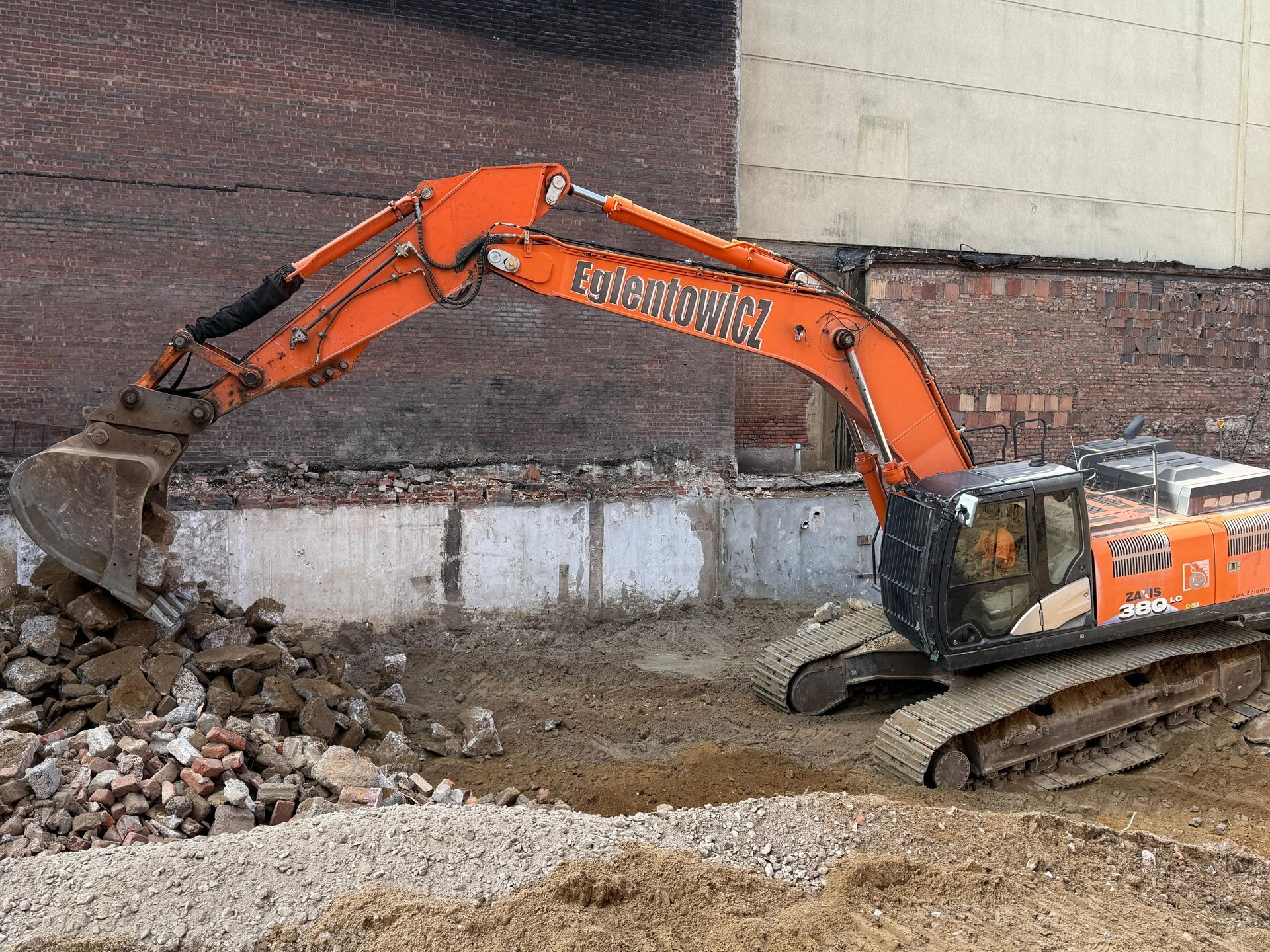
Demolition is not just about knocking a building down; it is about moving the material off-site responsibly. Modern projects often emphasize recycling and salvaging materials like scrap metal, concrete, and wood. While this is better for the environment and can sometimes reduce costs, it requires more time for on-site sorting. When you hire a demolition contractor, they will manage the fleet of trucks required to haul tons of debris to various processing facilities. The distance to the nearest landfill or recycling center, combined with the total volume of material, will determine how many days are added to the back end of the project for final site stabilization.
7. Considering Weather Conditions and Seasonal Impacts
Mother Nature remains one of the few factors that even the best planners cannot fully control. Heavy rain can turn a site into a mud pit, making it dangerous for heavy machinery to operate on slopes or unstable ground. High winds can also halt operations, especially when cranes or high-reach tools are being used, as debris could become airborne. A local commercial demolition contractor usually builds a small buffer into their estimate to account for typical regional weather patterns, but extreme storms or deep freezes can still cause temporary stoppages that shift the completion date by several days or weeks.
8. Implementing Specialized Equipment and Technical Methods
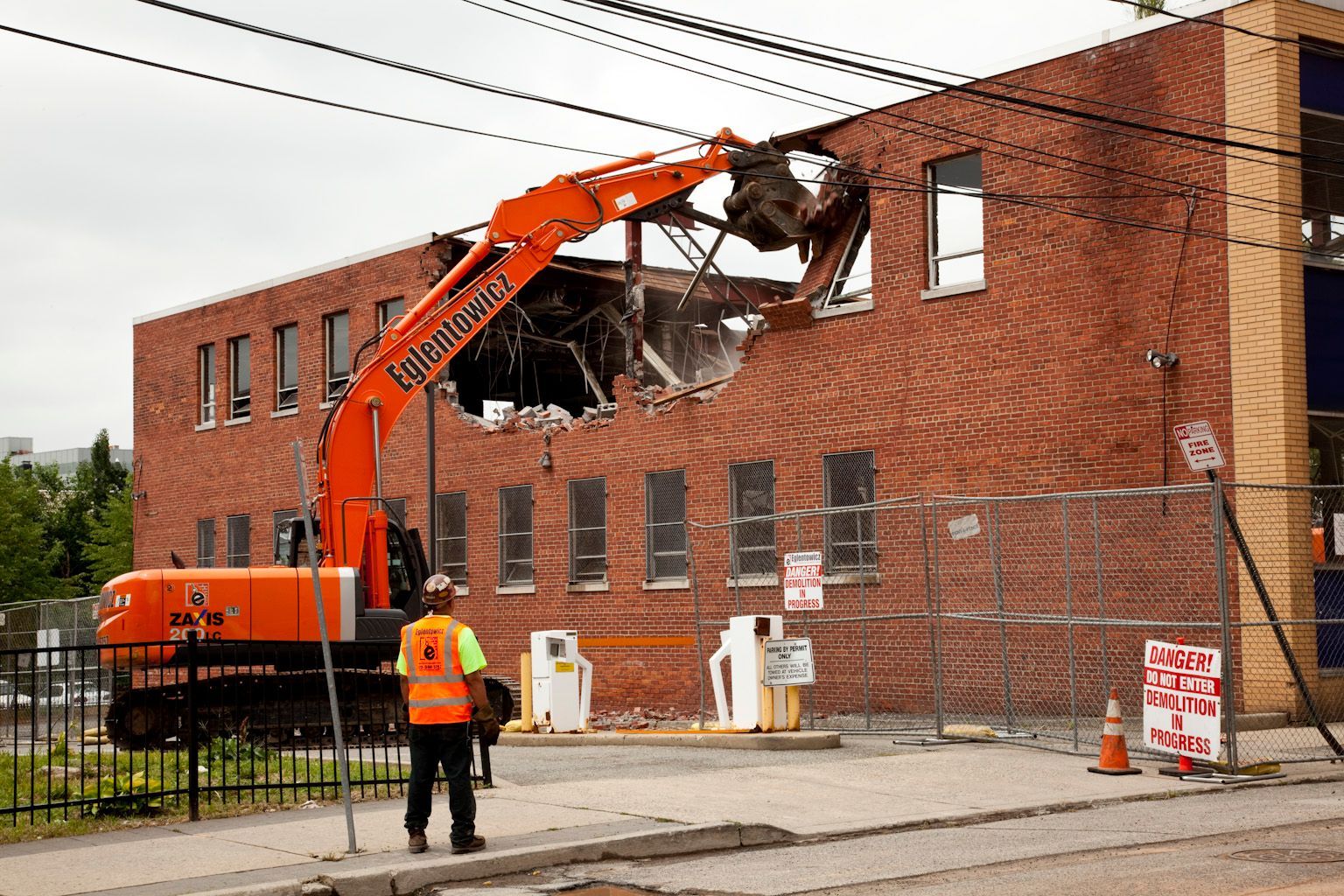
The specific tools chosen for the job can either accelerate or slow down the progress of a teardown. When a demolition contractor utilizes advanced technology, such as robotic breakers or high-performance hydraulic shears, they can often work through thick structural elements more quickly than those using outdated methods. However, some projects require a more delicate "soft strip" approach where the interior is gutted by hand to preserve the exterior shell or specific architectural features. This surgical precision is necessary for certain renovations but naturally adds more hours to the labor schedule compared to a total mechanical knockdown.
9. Finalizing Post-Demolition Inspections and Land Grading
The final phase of a project involves more than just the removal of the last truckload of rubble. Once the structure is gone, the site must be inspected to ensure that all footings and underground storage tanks have been properly addressed. A local commercial demolition contractor will often stay on-site to perform rough grading, which involves leveling the dirt to prevent erosion and ensure proper drainage for future construction. This stage is vital for the handoff to the next contractor on the project. Skipping or rushing this process can lead to significant structural issues for the next building, so it is factored into the total time estimate from the very beginning.
10. Ensuring Comprehensive Safety Protocols and Risk Management
A rigorous commitment to safety is a factor that dictates the pace of every movement on a job site. Before any physical activity begins, a local commercial demolition contractor must develop a comprehensive safety plan that outlines potential hazards and emergency procedures. This includes setting up protective fencing, securing the perimeter, and conducting daily safety briefings for the entire crew. While these measures are essential for protecting workers and the public, they require dedicated time throughout the workday. Rushing through safety protocols is never an option, as a single accident or safety violation can lead to immediate work stoppages and legal investigations that would delay the project far longer than the time spent on proper prevention.
The duration of a project is a result of meticulous planning, environmental responsibility, and logistical coordination. By understanding these factors, you can better prepare for the transition of your property. Eglentowicz Demolition & Environmental Company has the experience and equipment to navigate these challenges efficiently while maintaining the highest safety standards. Whether you are dealing with a tight urban site or a sprawling industrial complex, having a local commercial demolition contractor you can trust is the first step toward a successful build. Call Eglentowicz Demolition & Environmental Company today to learn more.















Share On: