
6 Qualities That Set Experienced Demolition Contractors Apart
The demolition industry is both exciting and demanding, requiring far more than brute force to dismantle complex structures safely and responsibly. From regulatory compliance to environmental protection, every phase of a project depends on strategic planning, skilled labor, and disciplined execution. According to Technavio, the construction demolition market size is projected to grow by $14.50 billion between 2024 and 2029, a statistic that underscores just how essential top-tier providers have become as development accelerates nationwide. In this environment, experienced demolition contractors rise above the competition by combining technical precision with community awareness, safety leadership, and modern technology.
The following six qualities explain what truly separates seasoned professionals from the rest and why selecting the right team matters so much for industrial, commercial, and remediation-focused projects.
1. Master Regulatory Compliance And Safety Protocols
A defining hallmark of experienced demolition contractors is a deep, working knowledge of local, state, and federal regulations. Demolition work must align with building codes, environmental protection laws, waste-handling requirements, and site-specific permits before any equipment ever arrives. Professionals with years in the field understand how to navigate permitting processes efficiently, coordinate inspections, and design plans that satisfy governing authorities without delaying timelines. Their regulatory fluency keeps projects moving while protecting property owners from costly fines or compliance setbacks.
Safety standards are equally critical. Contractors with established reputations build their operations around Occupational Safety and Health Administration requirements, job-site hazard assessments, and structured safety briefings. They implement protective barriers, dust-suppression systems, traffic control plans, and emergency response protocols that minimize risk to workers and surrounding communities. This disciplined approach reduces incidents, protects adjacent properties, and preserves the integrity of neighboring infrastructure.
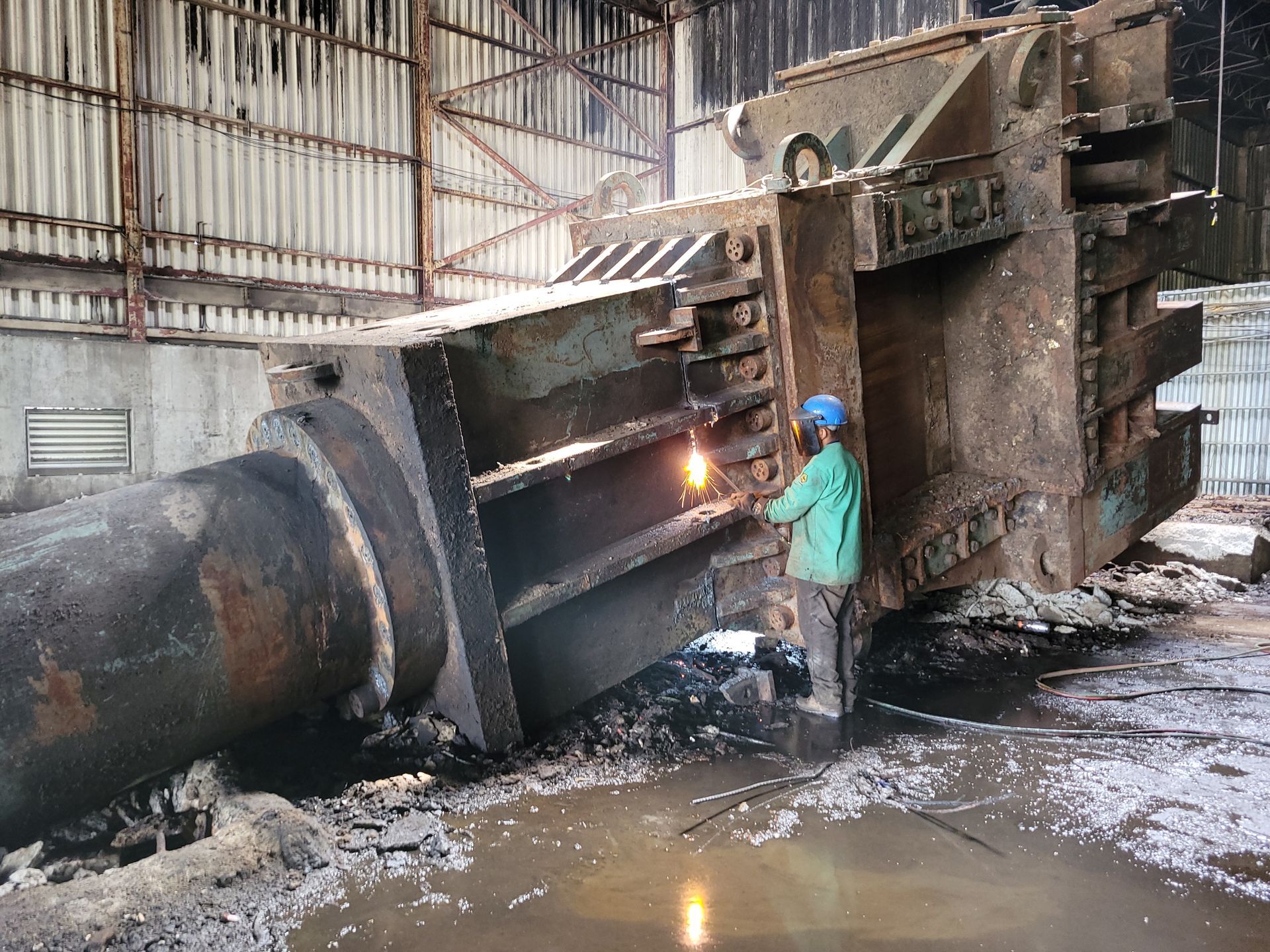
Hazardous material management further elevates seasoned crews. Before demolition begins, trained specialists inspect for asbestos, lead-based coatings, contaminated soil, or mold. Proper abatement and containment procedures protect both people and ecosystems, while certified disposal channels prevent environmental harm. In an industry poised for massive growth, regulatory mastery and safety leadership remain foundational to sustainable expansion.
2. Demonstrate Proven Project Performance Across Industries
A long portfolio of completed work is one of the clearest indicators of experienced demolition contractors. These firms have handled everything from warehouse dismantling and industrial plant decommissioning to selective interior tear-outs and emergency structural stabilization. Each completed project sharpens their ability to anticipate challenges, engineer solutions, and streamline operations based on lessons learned over time.
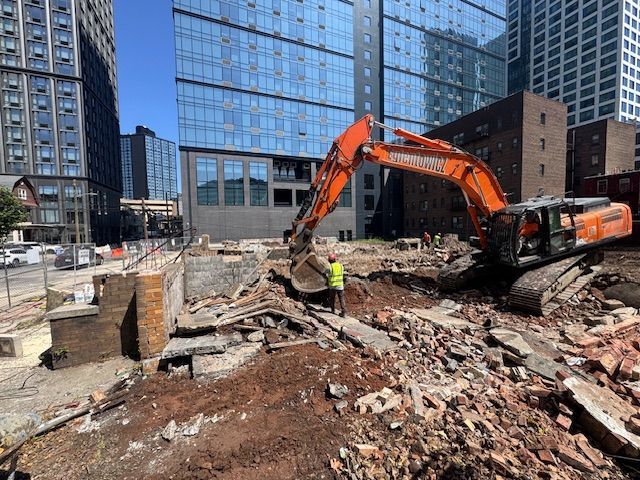
Client satisfaction plays a major role in building that reputation. Consistent on-time delivery, transparent budgeting, and minimal disruption to neighboring businesses or residents earn repeat customers and strong referrals. Detailed case histories often showcase how seasoned teams resolved unstable structural conditions, confined demolition to tight urban footprints, or coordinated complex utility shutoffs without interrupting adjacent operations.
Industry recognition also reinforces credibility. Awards, certifications, and professional affiliations signal dedication to quality workmanship and ethical practices. As the demolition market expands, firms with reliable track records will be best positioned to secure new opportunities, manage larger scopes, and maintain trust with developers, municipalities, and private clients alike.
3. Utilize Advanced Equipment And Sustainable Technologies
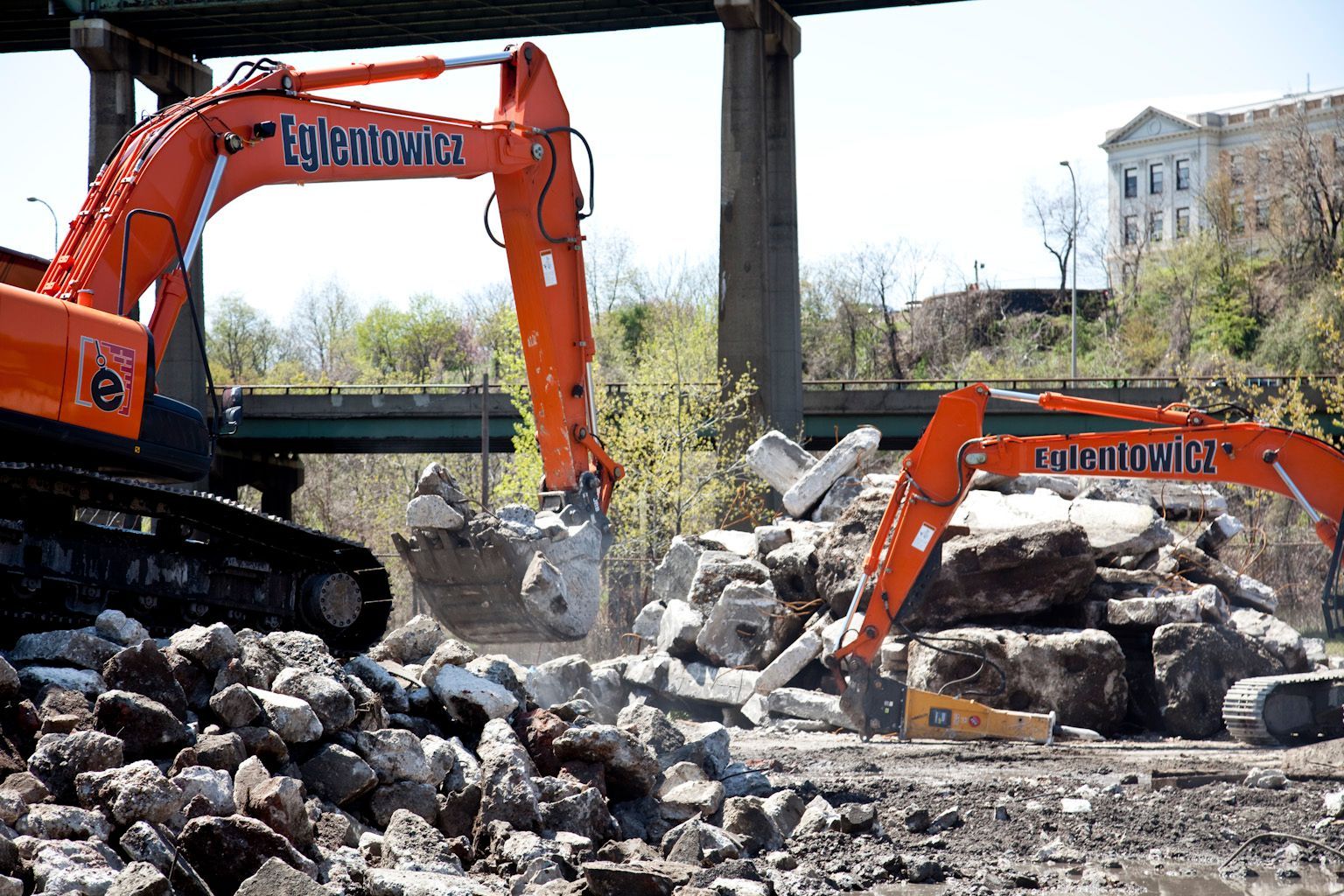
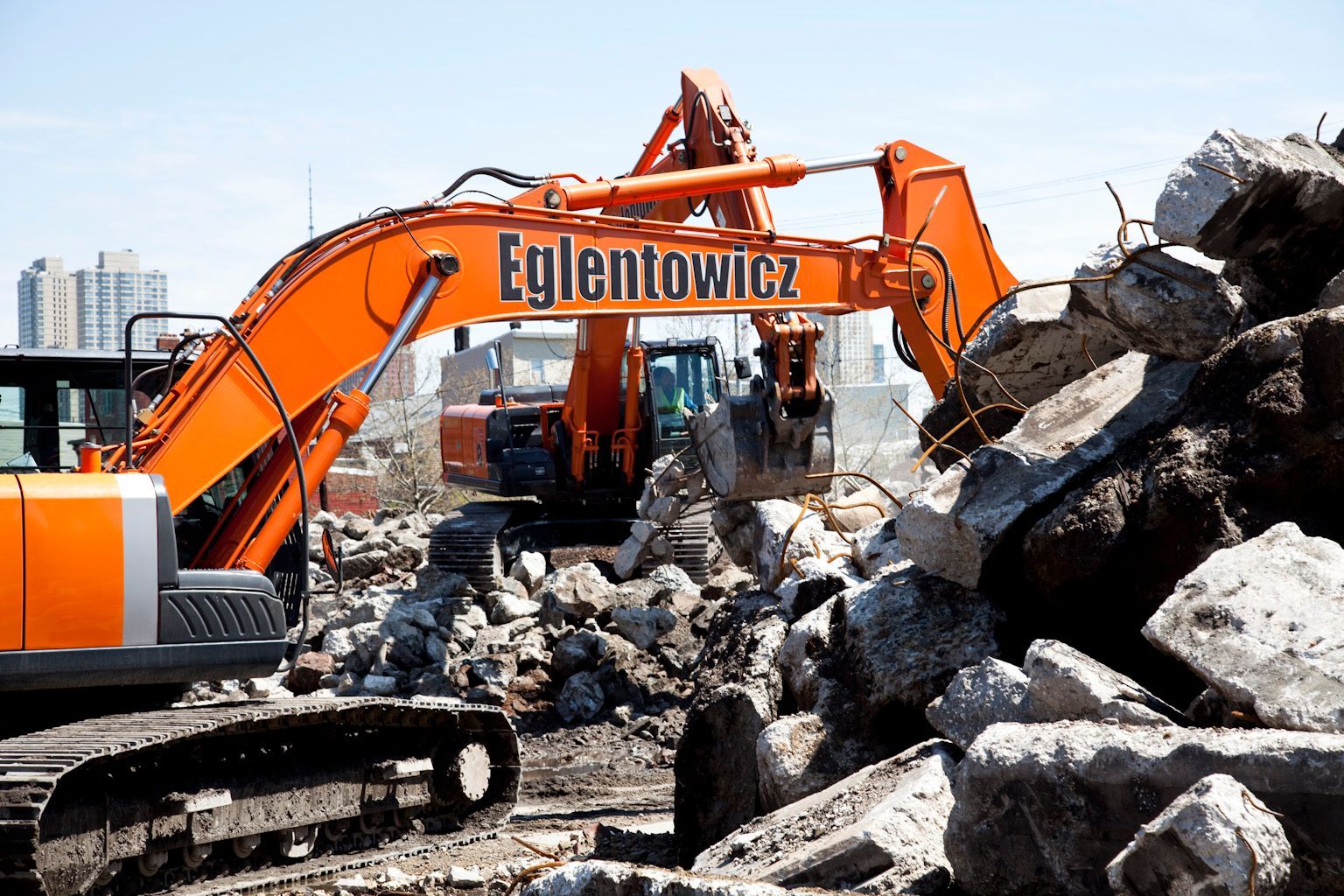
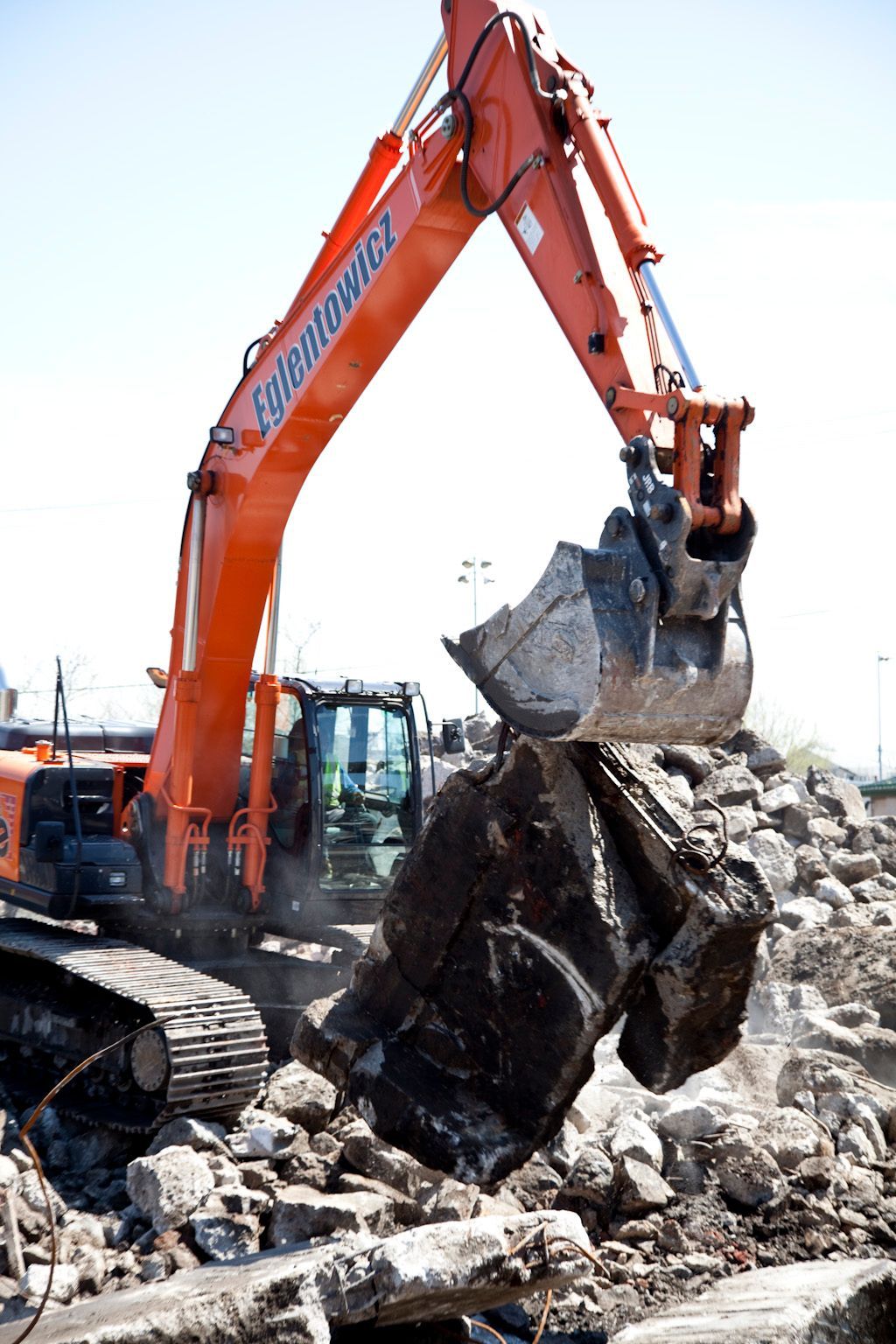
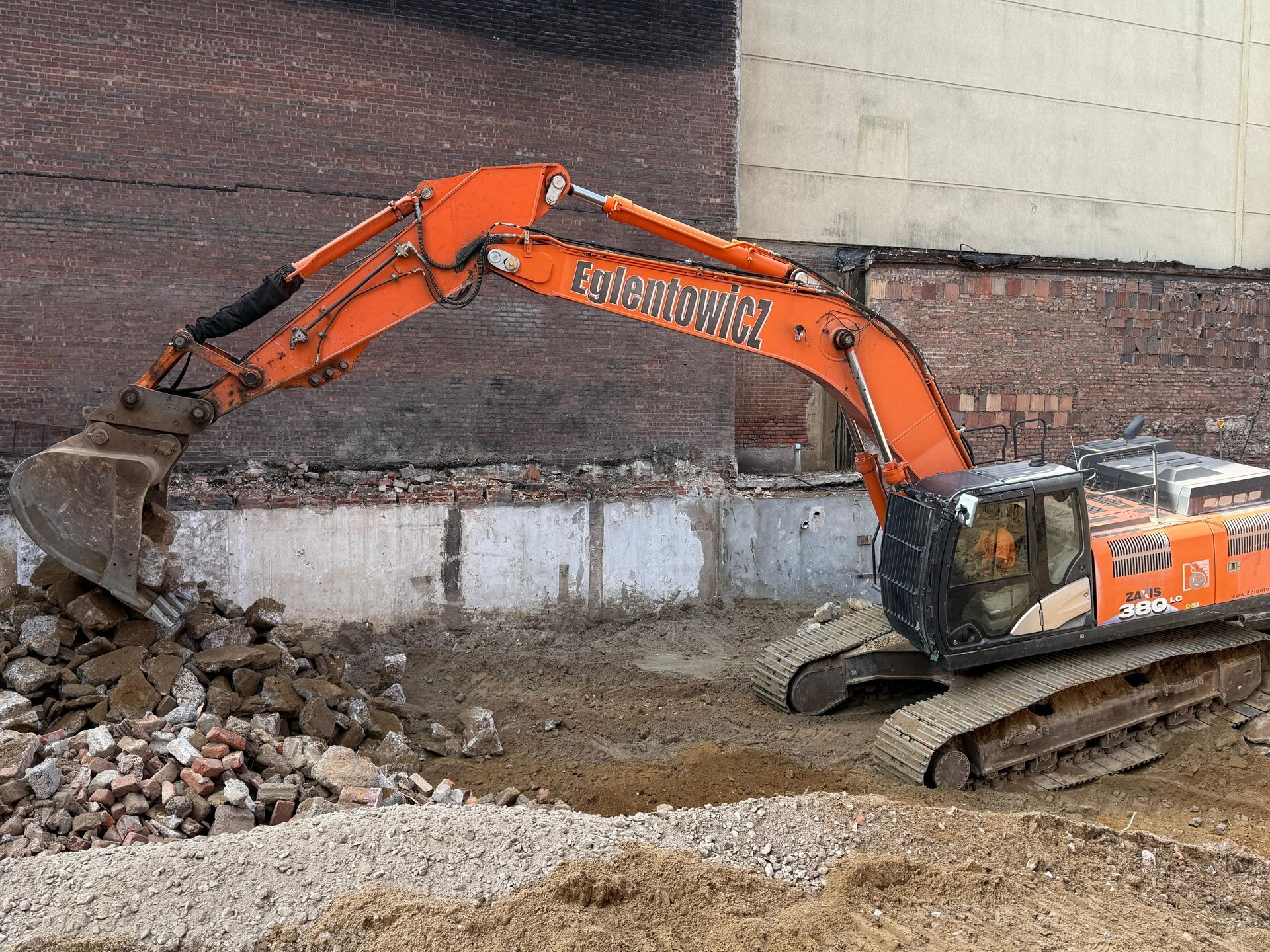
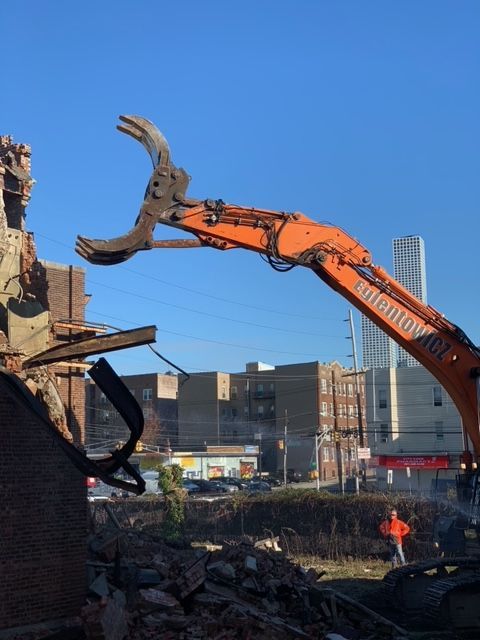
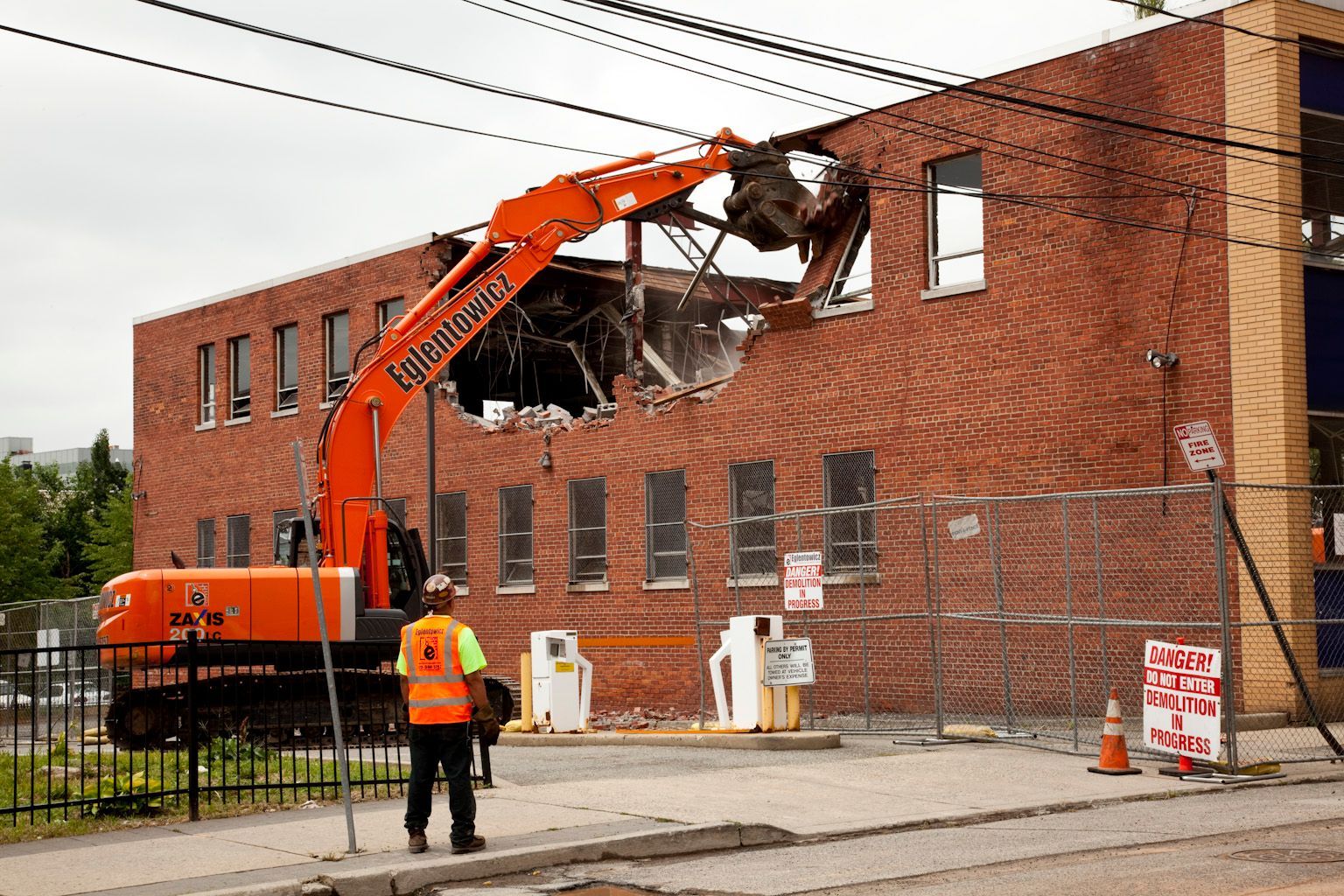
Technology adoption is another major differentiator for experienced demolition contractors. Modern fleets include high-reach excavators, concrete processors, hydraulic shears, and remote-controlled robotic systems designed to handle unstable or confined spaces safely. These tools improve accuracy while limiting worker exposure to hazardous environments, enabling controlled dismantling instead of uncontrolled collapse.
Digital planning platforms also enhance results. Building Information Modeling allows teams to analyze load-bearing components, utility routes, and material composition before the first cut is made. With this data, contractors design precise sequences that reduce surprises, shorten schedules, and limit waste generation. Real-time monitoring systems further help supervisors track dust levels, vibration impact, and equipment performance during active operations.
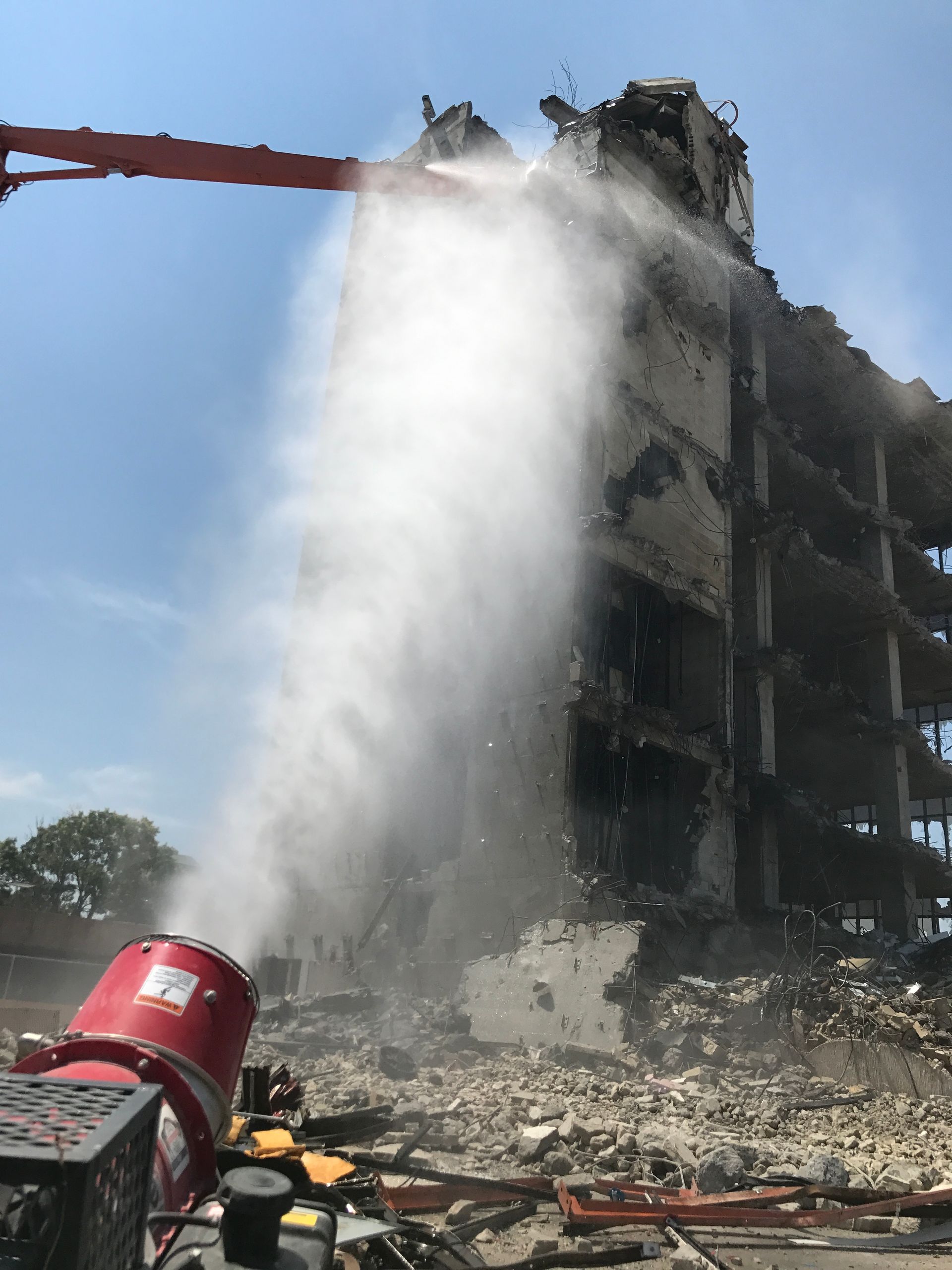
Sustainability initiatives strengthen long-term value. Advanced recycling systems separate metals, masonry, and wood for reuse, diverting significant volumes from landfills. Water-spray suppression systems control airborne particulates, while soil stabilization strategies protect surrounding land. By combining innovation with environmental stewardship, seasoned providers meet evolving regulations and rising expectations for responsible construction practices.
4. Execute Strategic Project Management And Logistics
Behind every successful job site is a disciplined management structure, another strength common among experienced demolition contractors. These firms coordinate labor schedules, equipment deployment, subcontractor oversight, and permit timelines with precision. Pre-construction meetings outline objectives, hazard mitigation strategies, waste-handling plans, and contingency procedures so every stakeholder understands their role before work begins.
Communication remains central throughout the project lifecycle. Daily briefings, progress updates, and coordination with inspectors or property managers ensure transparency and alignment. When unexpected structural conditions or underground utilities appear, adaptable leadership allows crews to pivot quickly without derailing schedules or budgets.
Risk management further defines elite operations. Experienced supervisors identify vulnerabilities early, implement backup plans, and maintain emergency-response readiness for round-the-clock operations when required. As project complexity increases across the industry, disciplined logistics and oversight will remain essential for delivering consistent, high-quality outcomes.
5. Maintain Highly Trained And Certified Workforces
A skilled workforce is the engine that powers experienced demolition contractors. Comprehensive training programs cover heavy-equipment operation, confined-space entry, fall protection, hazardous material handling, and emergency response procedures. Ongoing education keeps crews informed about new regulations, evolving technologies, and improved environmental controls.
Certifications play an equally important role. Specialized credentials in asbestos abatement, industrial dismantling, or environmental remediation validate technical capabilities and reassure clients that every phase of work will meet strict professional standards. These qualifications translate directly into safer sites, smoother inspections, and more efficient execution.
Employee retention also reflects organizational strength. Firms that invest in professional development foster loyalty, teamwork, and accumulated institutional knowledge. Stable crews communicate better, anticipate hazards faster, and coordinate complex tasks with minimal friction. As the demolition market grows, maintaining a deep bench of experienced professionals will be a decisive competitive advantage.
6. Prioritize Client Relationships And Community Responsibility
Technical skill alone does not define the best in the field—experienced demolition contractors also cultivate strong relationships with clients and the communities where they operate. Clear explanations of project phases, noise-control plans, traffic impacts, and cleanup procedures help property owners and neighbors feel informed rather than disrupted. Personalized solutions and flexible scheduling demonstrate respect for client priorities and site-specific constraints.
Community involvement further distinguishes seasoned providers. Participation in local initiatives, safety outreach programs, and redevelopment efforts reinforces a commitment to long-term neighborhood improvement rather than short-term disruption. Responsible demolition can play a key role in revitalization, preparing properties for new construction while minimizing environmental footprint. As industry growth accelerates, firms that balance operational excellence with civic responsibility will stand out. Strong reputations built on communication, transparency, and ethical practices lead to lasting partnerships and continued demand in competitive markets.
Experienced demolition contractors earn their standing through regulatory mastery, proven performance, technological leadership, disciplined management, skilled labor, and genuine community engagement. Together, these qualities allow them to complete complex projects safely, efficiently, and sustainably while supporting redevelopment efforts that shape growing regions. If you are planning an industrial or commercial teardown, asbestos abatement, or soil remediation project in northern New Jersey, Eglentowicz Demolition & Environmental Company is ready to help. Our local, family-owned team has served the Kearny, NJ area since 2009 with 24/7 emergency service, free project estimates, and a full range of solutions including asbestos abatement, industrial and commercial demolition services, site remediation, and soil remediation. Contact Eglentowicz Demolition & Environmental Company today to discuss your project and learn how our experienced professionals can deliver safe, efficient results from start to finish.









Share On: