
The Process of Recycling Old Facilities
The modern approach to retiring aging structures has evolved significantly over the past several decades. In the past, the primary goal was simply to level a site quickly to make room for new developments. Today, the focus has shifted heavily toward sustainability, resource recovery, and environmental responsibility. Taking down a massive facility is a complex operation requiring extensive planning, specialized machinery, and a deep understanding of material science. When property owners decide it is time to clear a plot of land, they must carefully consider how the structure will be dismantled. A vital component of this transition involves recovering usable materials rather than sending everything straight to a landfill. Throughout the course of a large-scale industrial demolition project, teams work meticulously to dismantle the building piece by piece. This methodical approach reduces the overall environmental impact and helps offset project costs by reclaiming valuable resources. By understanding the steps involved in this approach, stakeholders can make informed decisions.
Evaluating the Initial Site
Before any heavy machinery arrives, a comprehensive assessment must take place. Project managers and structural engineers spend significant time surveying the facility to understand its layout, historical modifications, and stability. This investigation helps the team identify which parts of the building hold the highest concentration of valuable materials, such as structural steel, copper wiring, or reusable masonry. The planning stage is where the blueprint for the entire industrial demolition process is created. Experts map out the safest routes for machinery to enter and exit. They also determine logistical requirements for placing dumpsters, sorting bins, and heavy equipment. Without this evaluation, teams risk damaging salvageable materials or creating unsafe conditions. A well-crafted plan ensures that every subsequent phase moves smoothly, keeping the project on schedule and preventing unexpected complications.
Managing the Hazardous Materials
Safety remains the highest priority throughout the lifecycle of the project. Many older facilities were constructed using materials known to pose severe health and environmental risks. Before the main structure is taken apart, specialized abatement teams enter the premises to identify, contain, and remove any dangerous substances. This careful extraction process guarantees that the environment remains protected and that workers are kept safe from airborne contaminants. Proper abatement is entirely crucial for the recycling phase of an industrial demolition job. If dangerous materials are left inside during the teardown, they can cross-contaminate clean, reusable materials like wood and metal. Contaminated elements cannot be recycled and must be treated as hazardous waste, reducing the sustainability of the project. By systematically removing these risks upfront, the crew ensures maximum clean material is preserved for reuse.
Executing the Deconstruction Phase
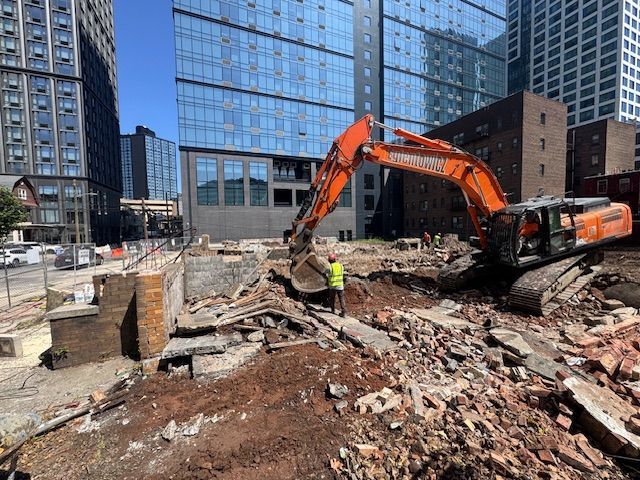
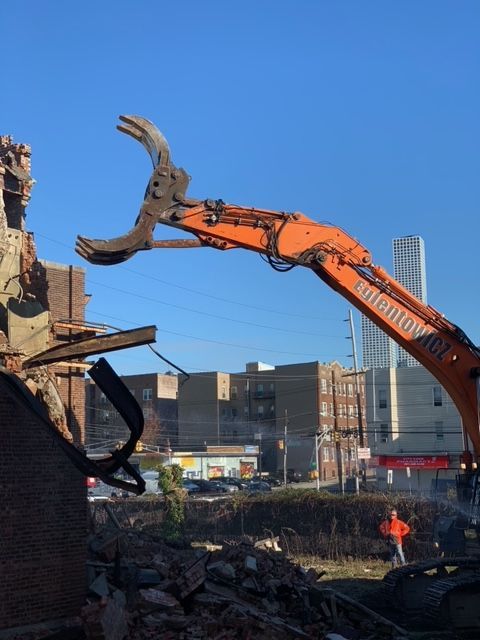
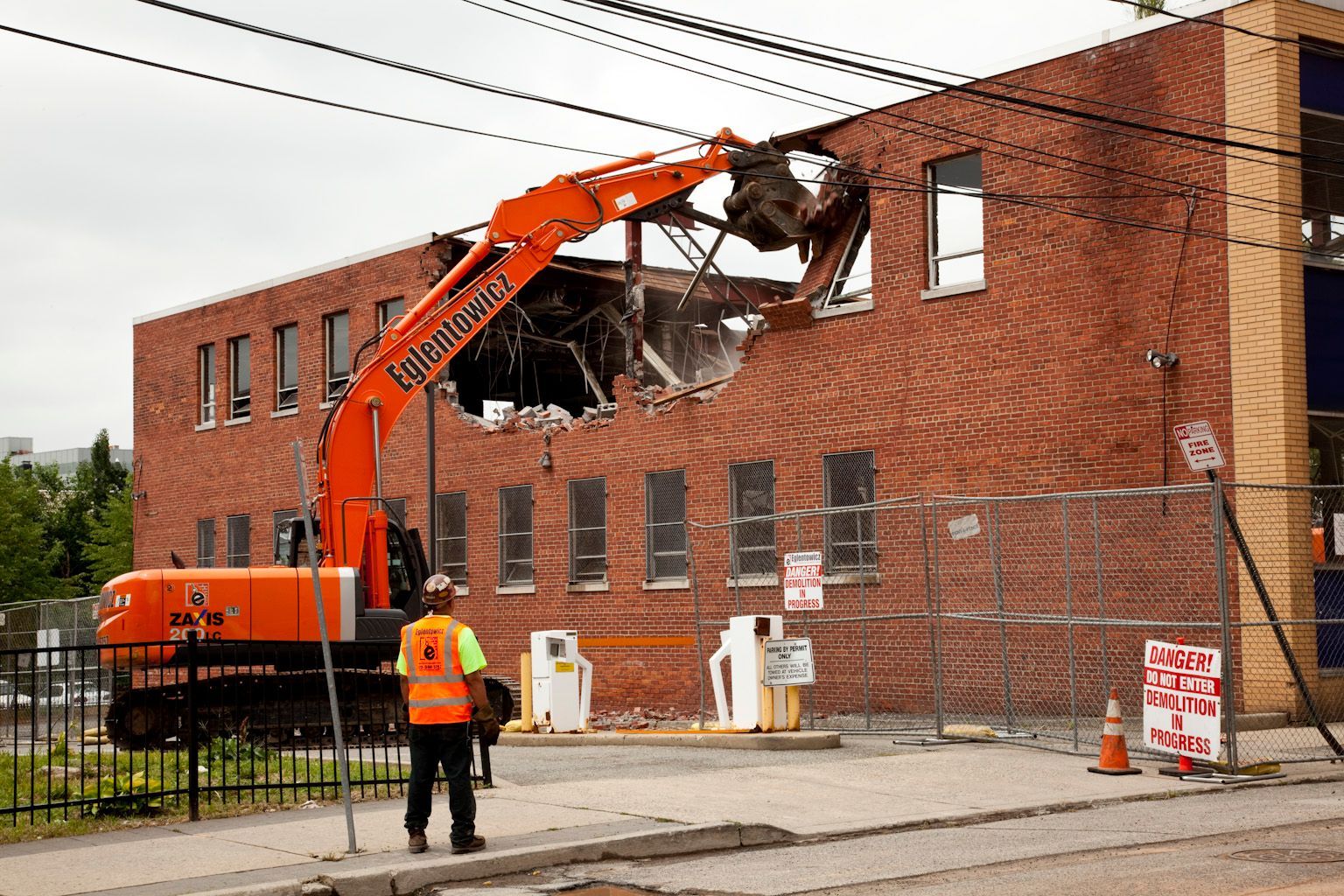
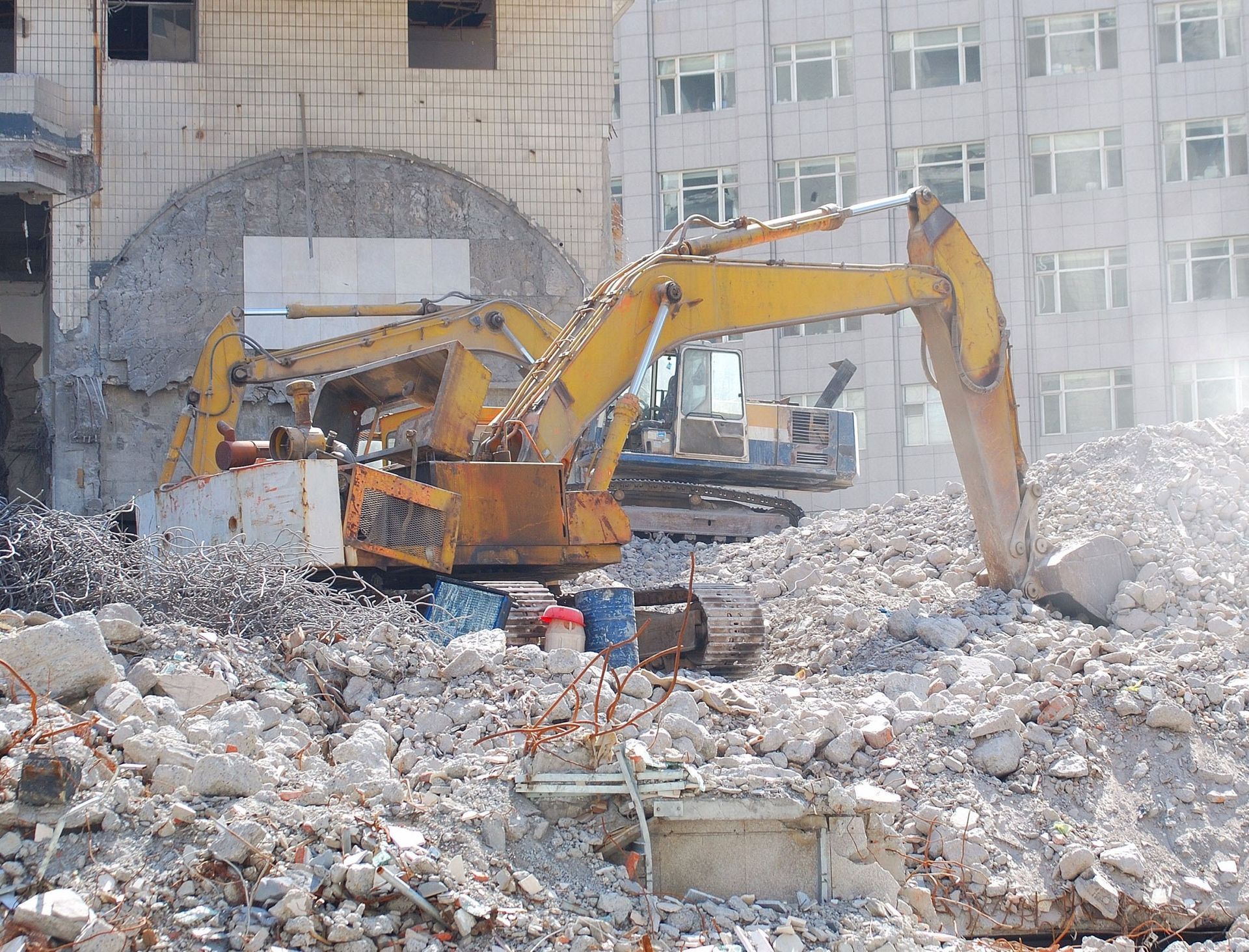
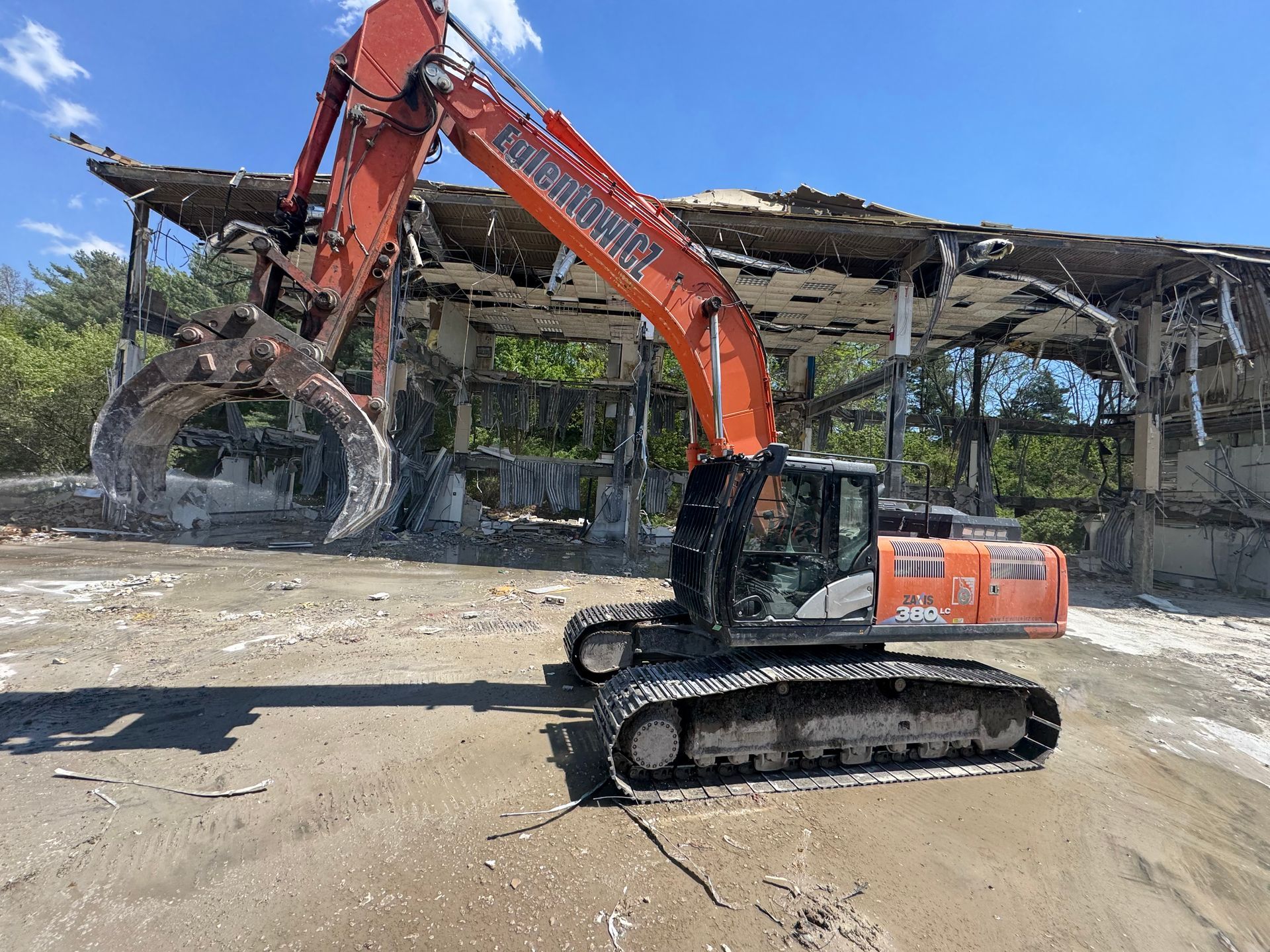
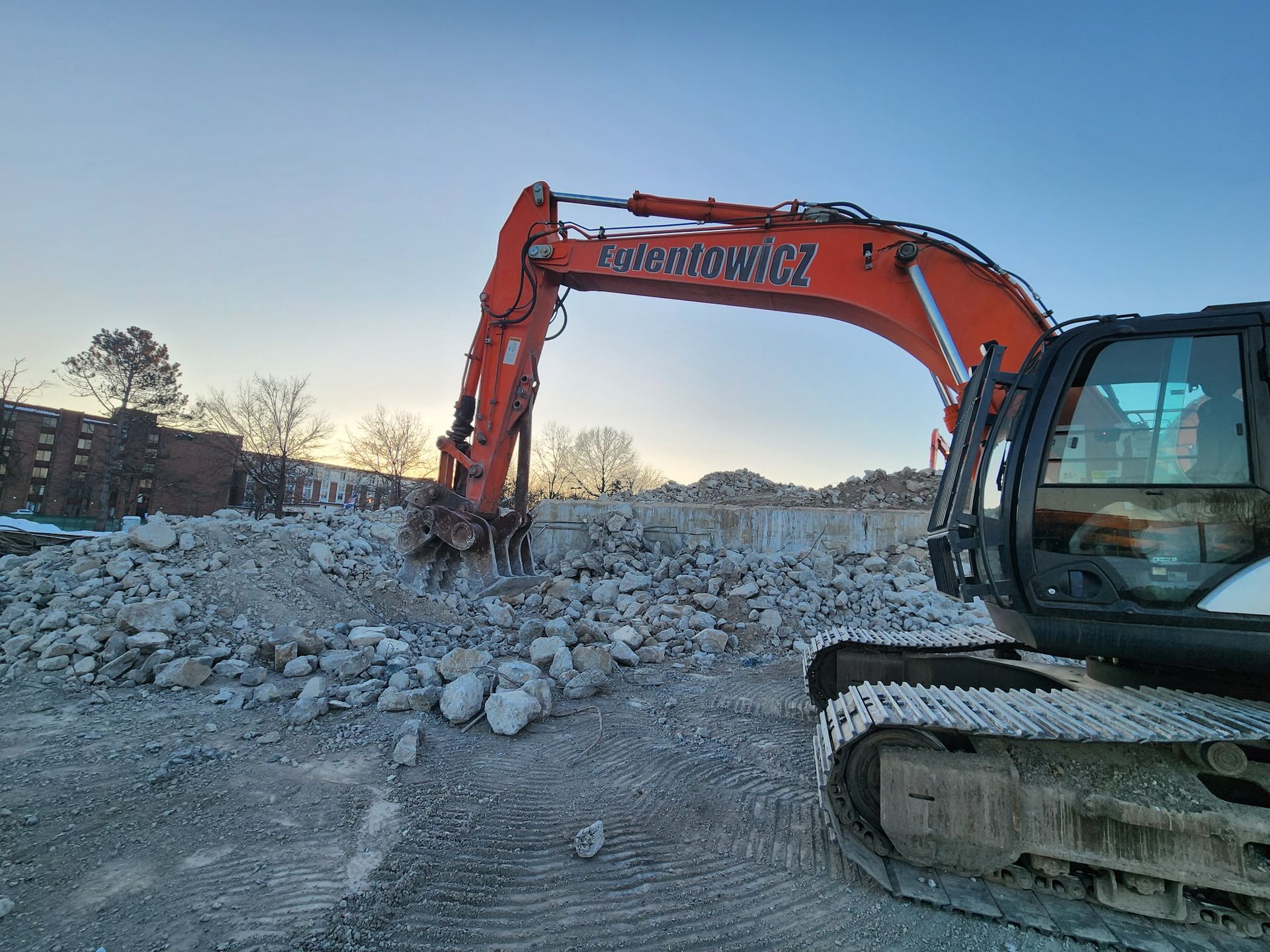
Once the property is clear of dangerous substances and structural plans are finalized, physical dismantling begins. Unlike a traditional teardown where wrecking balls smash a building into pieces, this phase is highly coordinated and strategic. Workers reverse the original construction process, starting from the roof and working down to the foundation. This method requires a great deal of precision and patience, as rushing the work could destroy the components the team is trying to save. Heavy machinery equipped with specialized attachments, such as shears and grapples, carefully snips steel beams and gently lowers massive panels to the ground. By using this controlled technique, the structural integrity of the individual materials is preserved. Every beam and pipe is handled with care, ensuring they retain their value and remain suitable for repurposing in future manufacturing endeavors.
Sorting the Salvaged Components
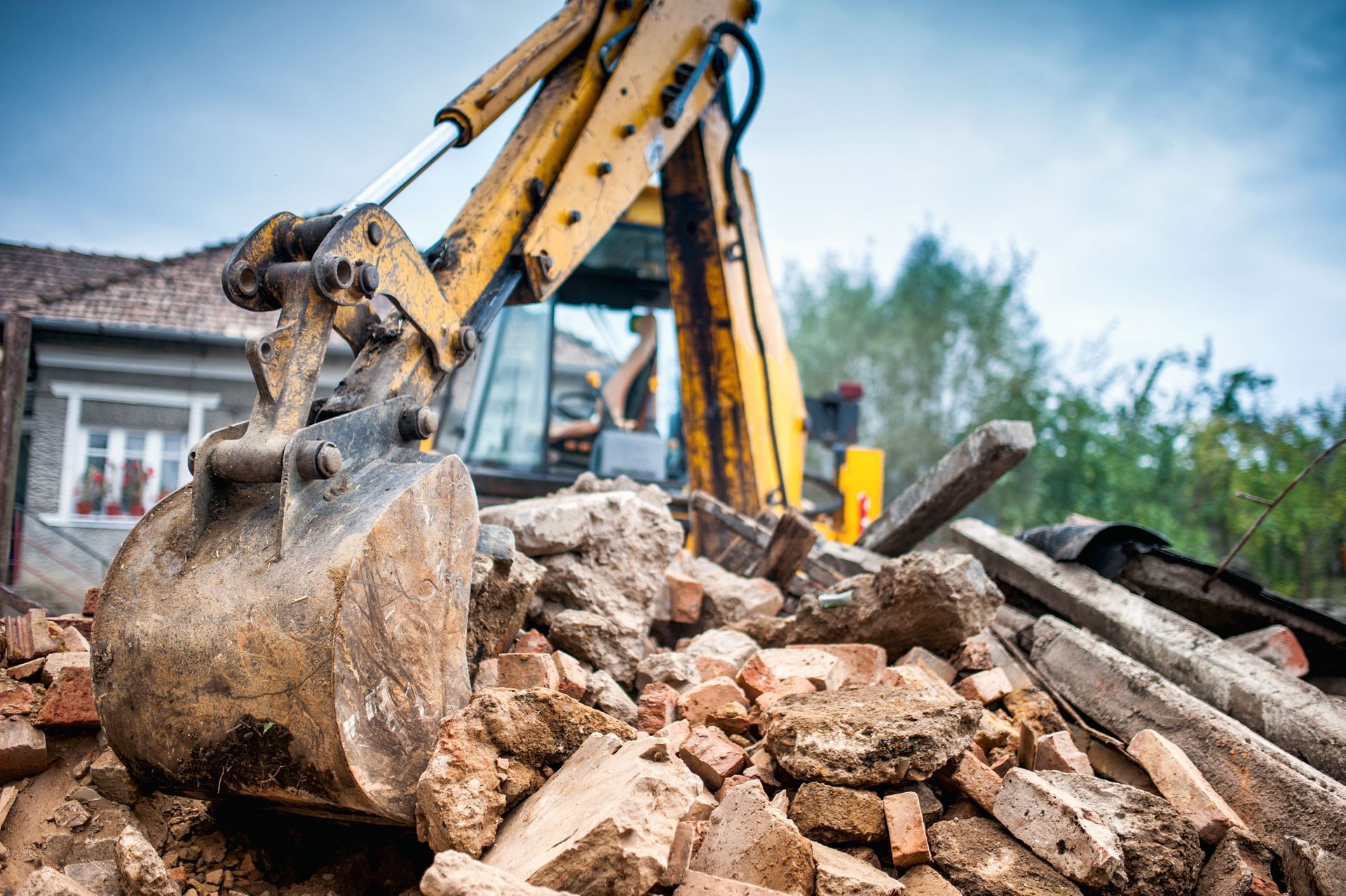
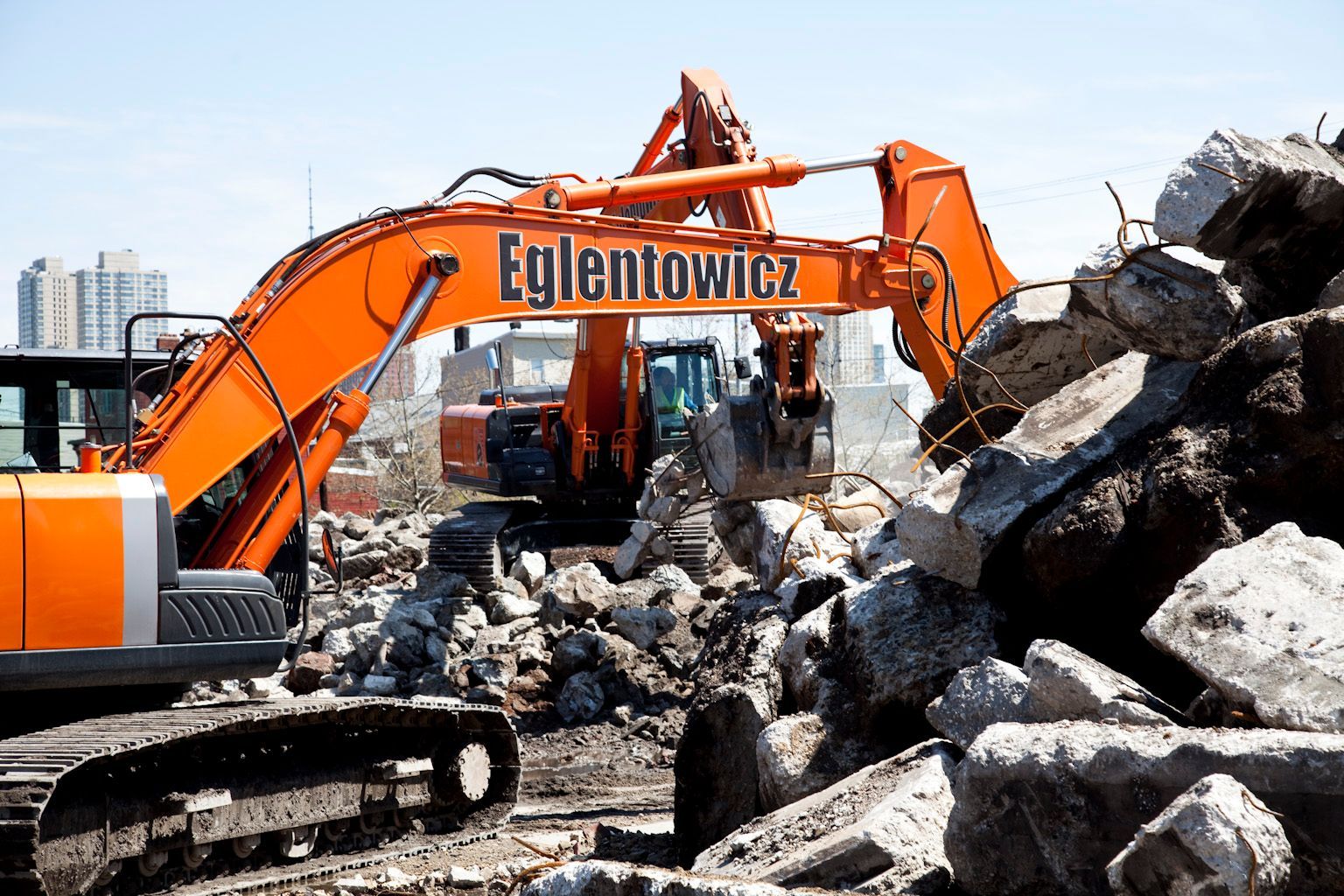
As the building slowly comes down, the ground-level crew stays busy organizing the recovered pieces. Sorting is a continuous, labor-intensive effort happening simultaneously with the teardown. Large bins and designated drop zones are established around the perimeter of the site to keep different material types completely separate. Ferrous and nonferrous metals are placed in specific piles, while timber, glass, and masonry are routed to their own respective areas. The efficiency of a large-scale industrial demolition relies heavily on how well site managers coordinate this sorting process. Keeping the piles clean and organized prevents delays when trucks arrive to transport goods to offsite processing centers. It also makes it much easier to track the volume of materials recovered. Effective sorting directly translates to better recycling rates, as pure, unmixed materials are far more valuable for the manufacturing supply chain.
Processing the Recyclable Elements
Once the materials leave the site, they undergo various transformations to become usable goods once again. Structural steel is melted down and reformed into new beams or metal products, requiring significantly less energy than manufacturing new steel from raw iron ore. Wood can be milled into new architectural features or chipped for landscaping purposes. Masonry and concrete undergo a rigorous crushing process to create gravel and base materials for new roadways. This step highlights the incredible environmental benefits of modern industrial demolition practices. Instead of filling up vast expanses of local landfills, these heavy materials are given a new lease on life. The environmental impact is remarkably positive. According to The National Library of Medicine, recycling one ton of concrete saves approximately 100.4 kg of carbon dioxide emissions. This reduction in greenhouse gas output demonstrates exactly why repurposing building materials is vital for global sustainability efforts.
Handling the Nonrecyclable Waste
Despite the absolute best efforts of the planning and deconstruction teams, there will always be certain components of a building that cannot be salvaged. Items like heavily degraded insulation, shattered mixed glass, or certain treated plastics often have no secondary market value and cannot be safely processed. In these instances, project managers must ensure that the remaining debris is disposed of responsibly. The final cleanup phase of an industrial demolition project involves loading this residual waste into designated transport vehicles and delivering it to approved disposal facilities. By strictly adhering to local and federal environmental guidelines, the contractors guarantee that the waste does not negatively impact the surrounding community. Proper disposal is the final puzzle piece in maintaining the environmentally conscious integrity of the overall project, ensuring nothing is left behind to contaminate the soil or local waterways.
Preparing the Cleared Ground
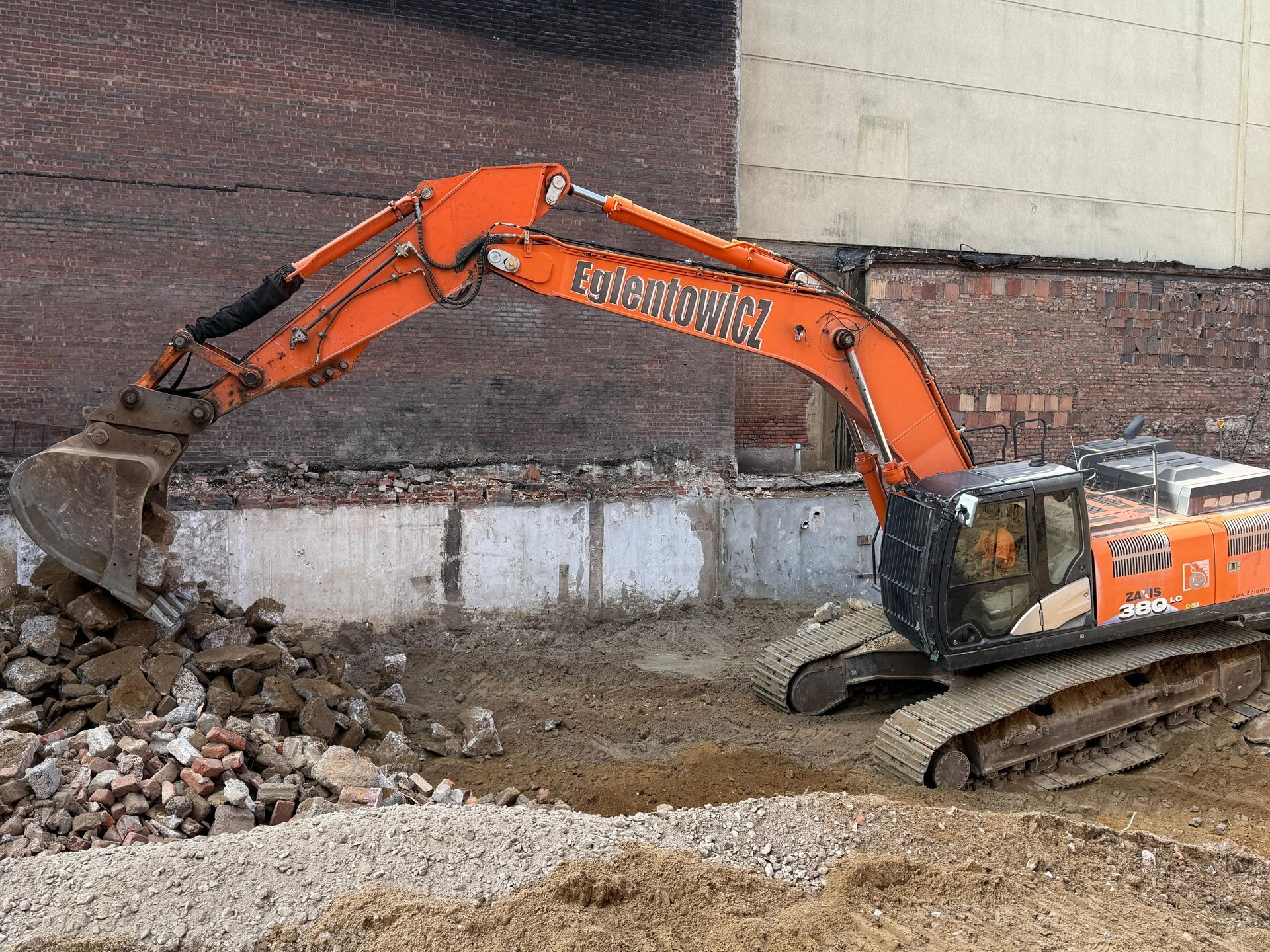
The final step in retiring a massive facility is restoring the land itself. After all salvageable materials have been shipped to processing centers and unrecyclable waste has been discarded, the bare earth remains. The crew must fill in any massive voids left by the removal of deep foundations, basement levels, or underground utility trenches. Grading equipment is brought in to level the soil, creating a smooth, stable surface across the entire property. This thorough site preparation is a critical handover step for the property owners. A completely cleared and leveled lot is much more attractive to potential buyers and drastically reduces the preliminary groundwork required for new construction. The land is essentially reset to a blank canvas, ready to host a modern, energy-efficient building that will serve the community well into the future, completing the long cycle of urban renewal.
The successful teardown and recycling of an aging structure require a commitment to safety, environmental stewardship, and meticulous planning. From the initial evaluations to the final grading of the soil, every step of the process is designed to maximize resource recovery while minimizing the ecological footprint. Choosing to salvage and process materials rather than throwing them away provides immense benefits to the local community and the global environment alike. It takes a highly skilled and dedicated team to execute an industrial demolition safely and efficiently. Proper execution guarantees that the property is completely revitalized and perfectly prepared for its next chapter of development. If you are ready to begin clearing your site and want to ensure the job is handled with the highest level of professionalism and care, call Eglentowicz Demolition & Environmental Company today to learn more.














Share On: