
The Real Benefits of Recycling Concrete on Job Sites
In modern construction and demolition work, waste management has become just as important as building itself. Concrete is the most commonly used construction material in the world, and with that widespread use comes a serious responsibility for how it is handled after structures are torn down. Recycling this material is no longer an optional practice but a necessary part of responsible development. When projects are handled by an experienced demolition contractor, the chances of recovering and reusing valuable materials increase significantly, reducing environmental strain while improving efficiency on the job site.
Concrete waste is generated in massive quantities from residential, commercial, and infrastructure demolition projects. Without proper systems in place, much of it ends up in landfills, taking up space and contributing to long-term environmental issues. However, with the right approach, a large percentage of this material can be processed and reused in new construction, reducing the demand for newly extracted resources.
Understanding The Scale of Concrete Waste
Concrete is used in foundations, highways, sidewalks, bridges, and nearly every major structure built today. Because of this, demolition activities produce enormous volumes of debris. Managing this waste properly is a growing challenge for the construction industry, especially as urban areas continue to expand and older structures are replaced.
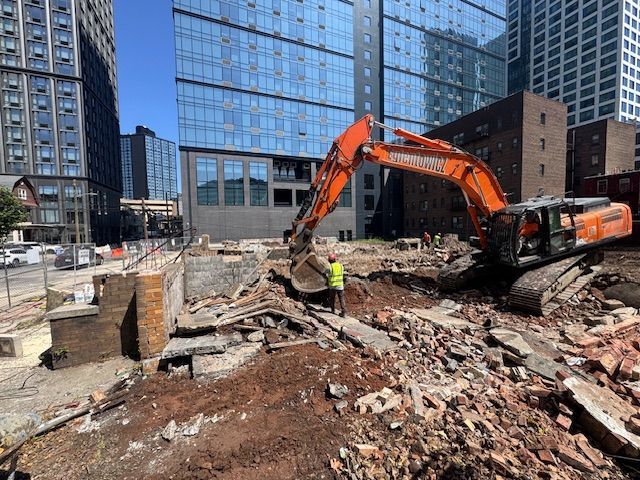
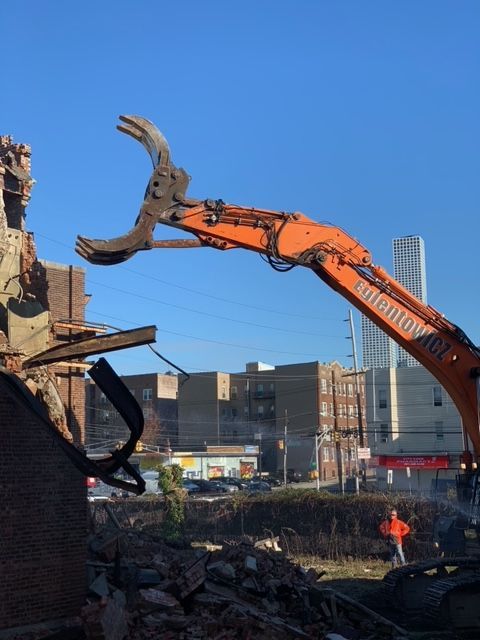
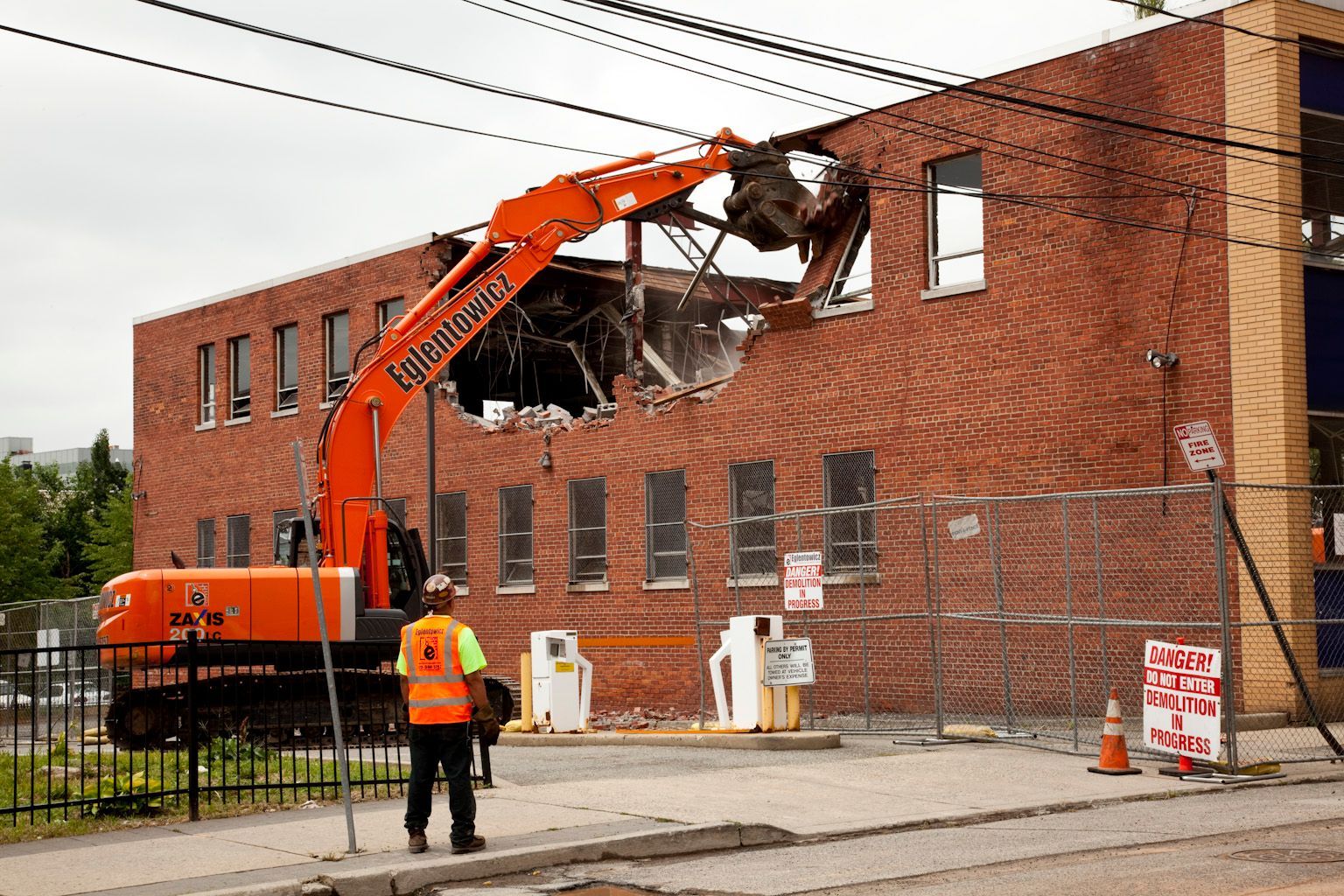
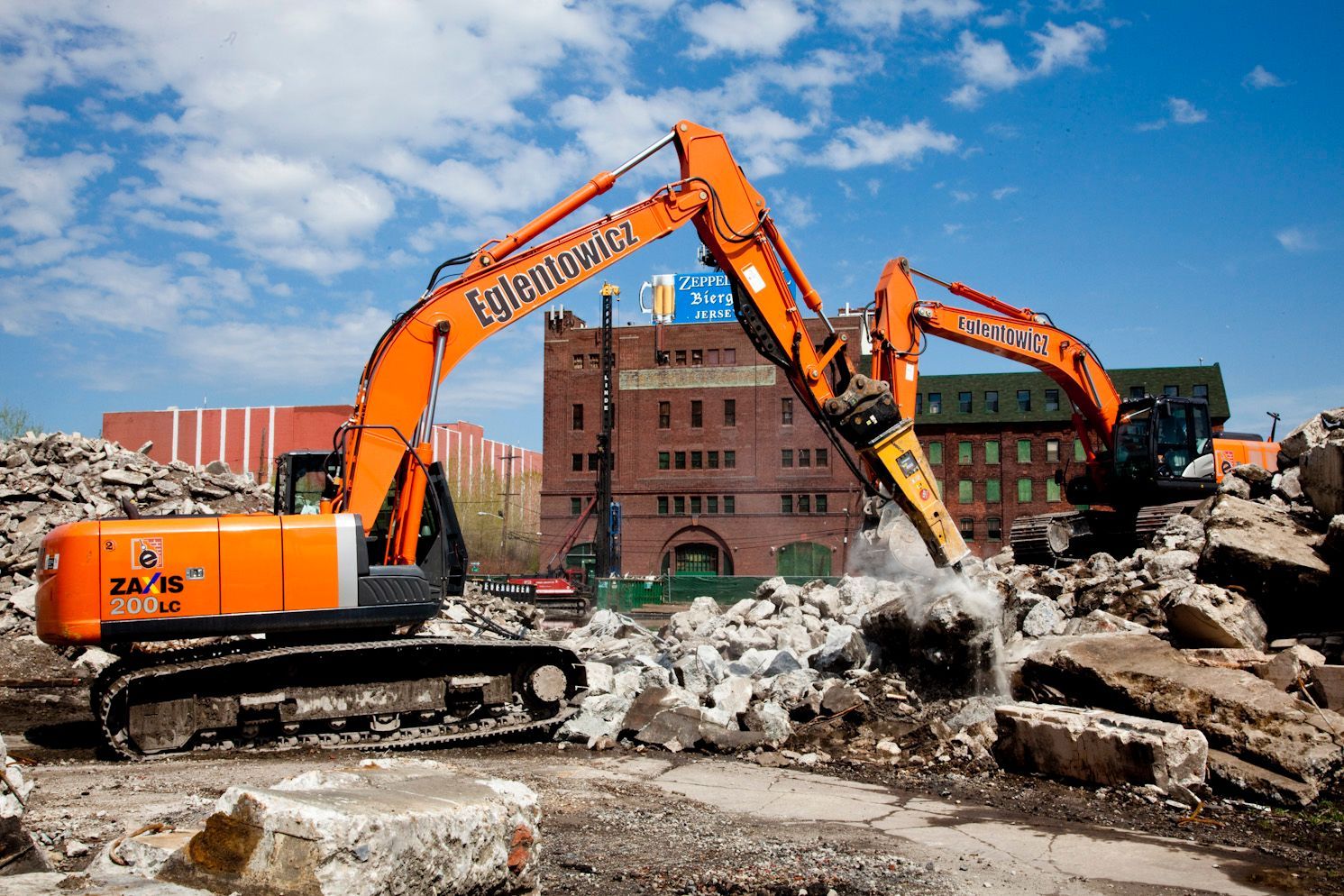
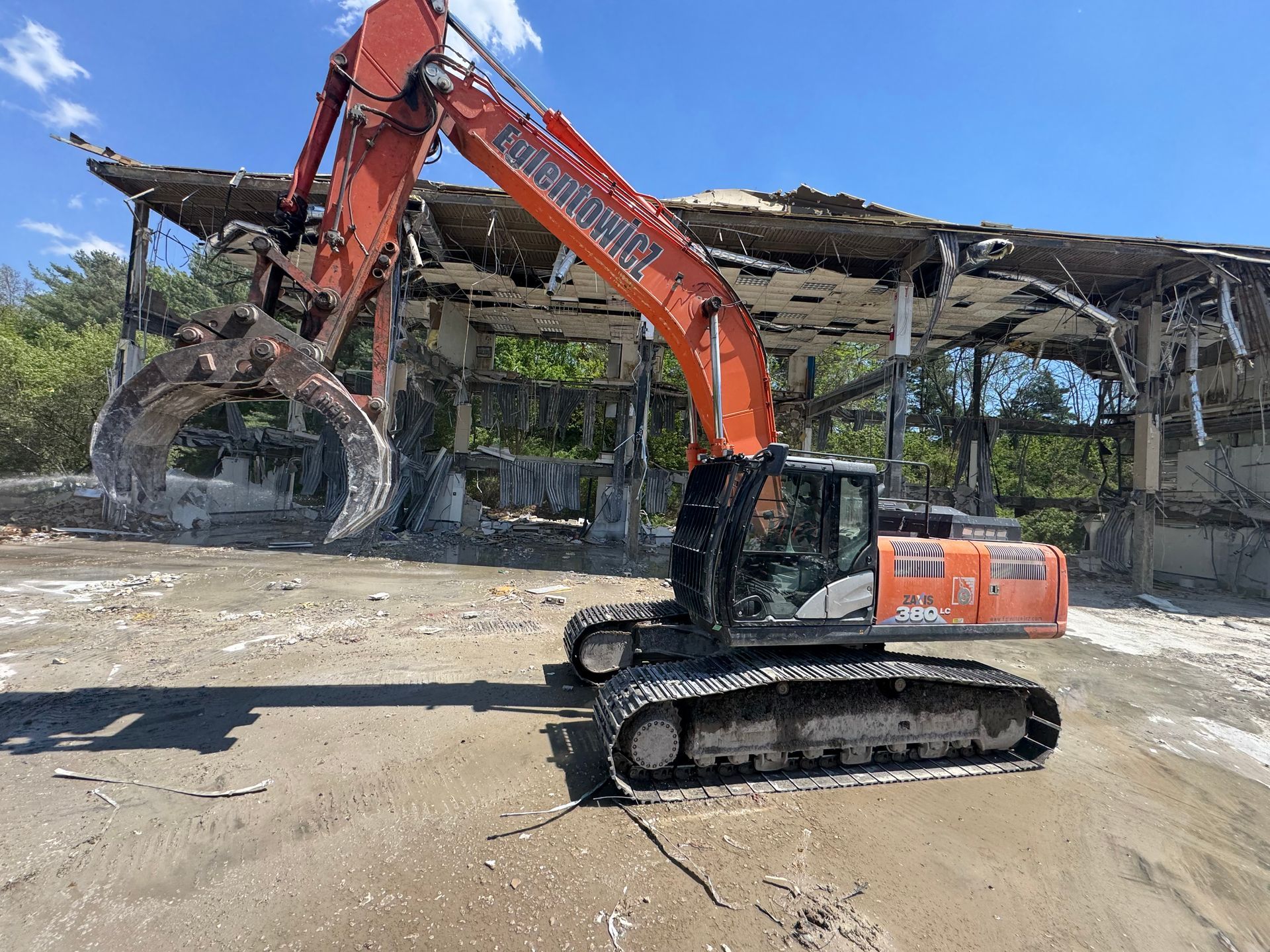
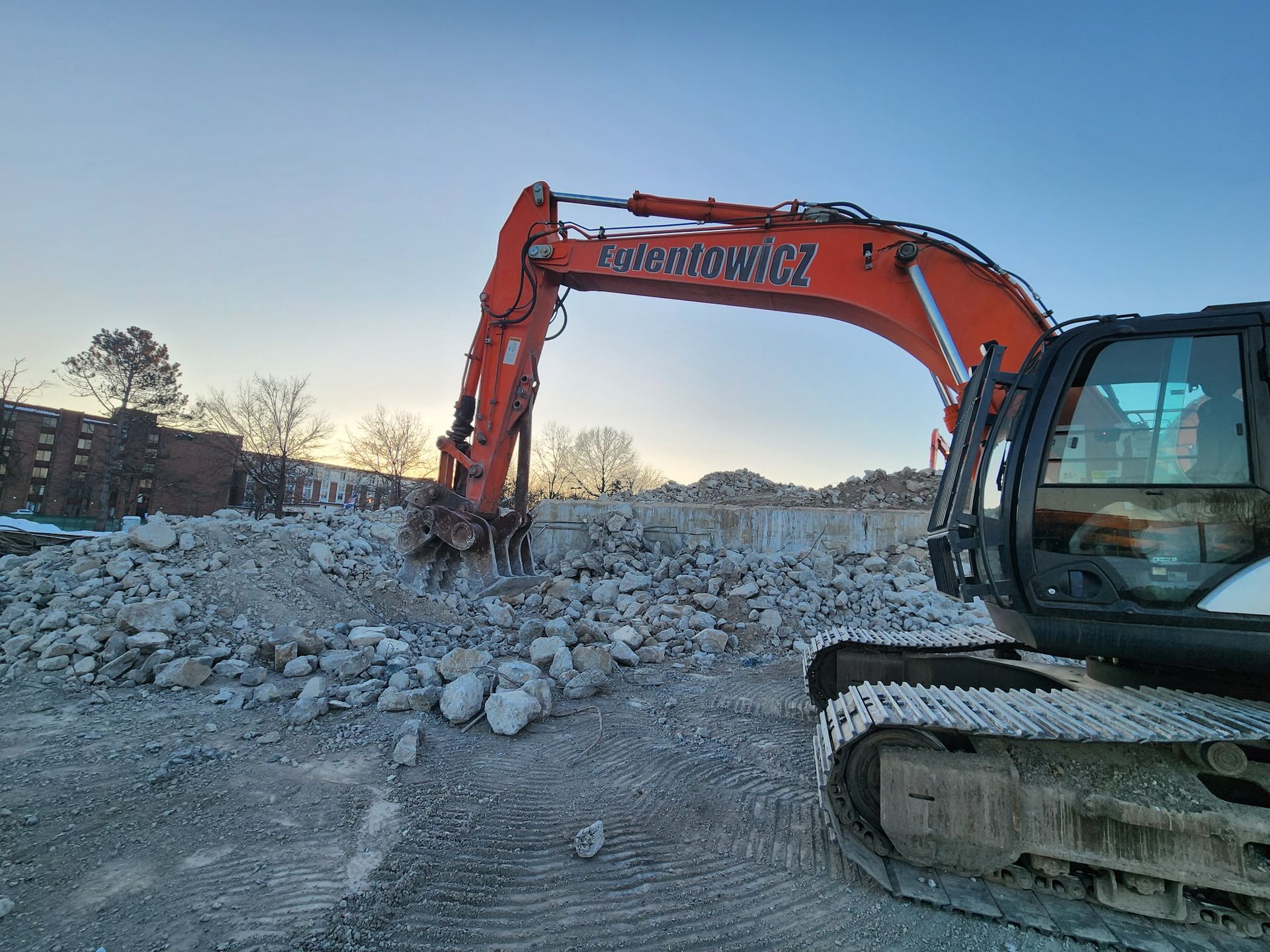
A professional demolition contractor plays a central role in controlling how this material is handled during teardown. Instead of simply demolishing and disposing of everything, experienced teams separate reusable concrete from mixed debris. This early step makes recycling more effective and reduces contamination that could prevent materials from being reused later in the process. According to Utilities One, up to 80% of concrete waste generated by construction and demolition activities can be recycled. This highlights the massive opportunity that exists in the industry to reduce landfill dependency and maximize resource recovery when proper demolition and recycling practices are followed.
Environmental Impact of Concrete Disposal
When concrete is not recycled, it creates a chain of environmental problems. Landfills become overcrowded, transportation emissions increase, and natural resources are depleted at a faster rate. The environmental cost of simply discarding concrete is far higher than many realize.
A demolition contractor who follows sustainable practices helps reduce these impacts by ensuring materials are properly sorted and directed toward recycling facilities. Instead of treating concrete as waste, it is treated as a reusable resource that can be processed into aggregate for new projects.
Improper disposal can also lead to unnecessary energy consumption. Producing new concrete requires raw material extraction, processing, and transportation, all of which contribute to carbon emissions. Recycling reduces the need for these steps, helping lower the overall environmental footprint of construction projects.
The Economic Cost of Not Recycling Concrete
Beyond environmental concerns, failing to recycle concrete also has financial consequences. Construction companies and property owners often face higher disposal fees when large volumes of debris are sent directly to landfills. In addition, the cost of sourcing new raw materials continues to rise as demand increases.
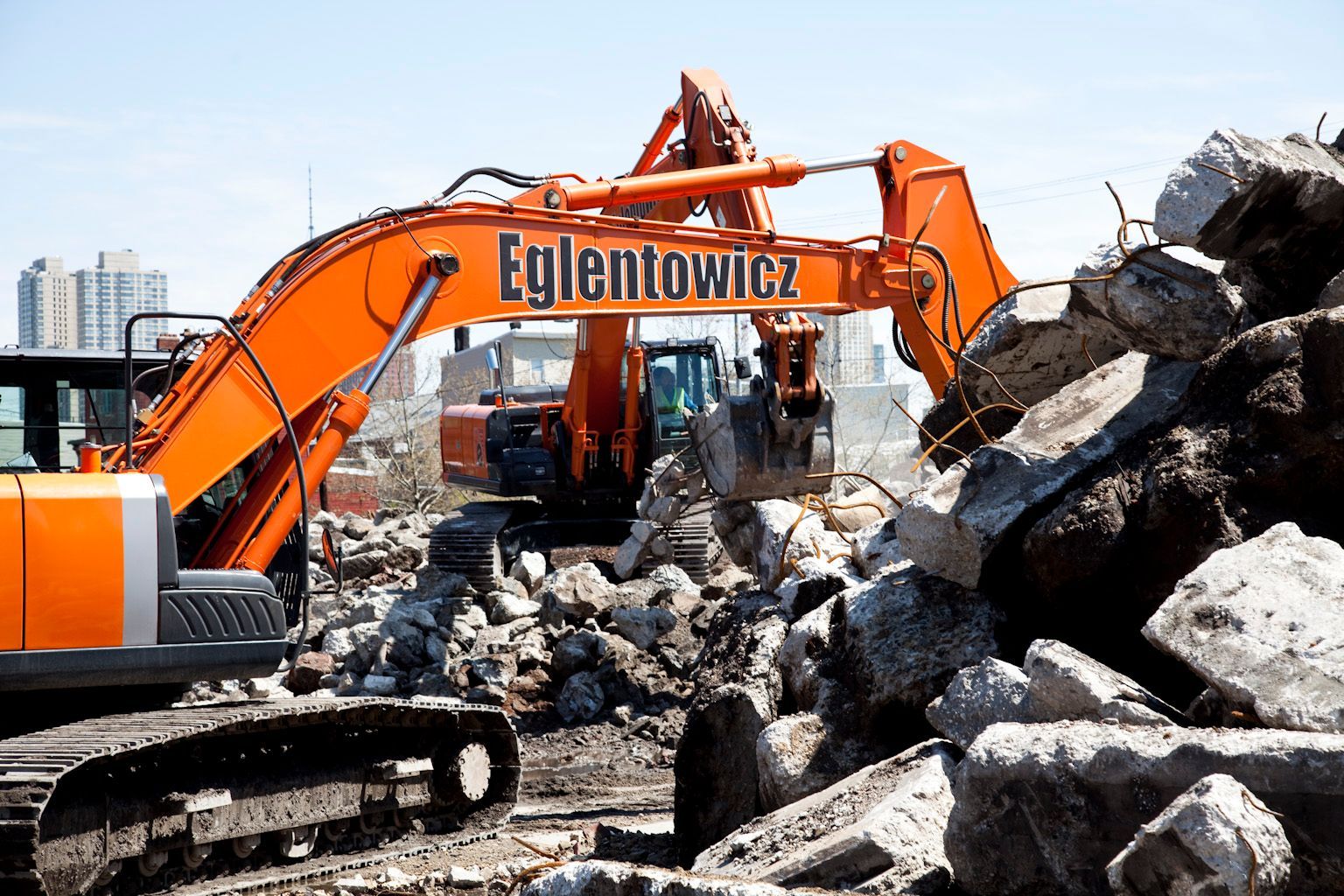
A demolition contractor who incorporates recycling into their workflow can help reduce these expenses significantly. Recovered concrete can be processed into reusable aggregate, lowering the need to purchase new materials. This creates a more cost-effective and efficient construction cycle.
On a larger scale, municipalities also bear financial burdens when construction waste is not managed properly. Increased landfill maintenance, transportation logistics, and environmental cleanup efforts all contribute to higher public costs. Recycling helps ease this pressure by reducing overall waste volume.
Legal and Regulatory Requirements
Many regions now enforce strict regulations regarding construction waste disposal. These rules are designed to encourage recycling and reduce environmental harm caused by excessive landfill use. Compliance is not optional, and failure to follow these regulations can result in fines, project delays, or legal complications.
A demolition contractor must stay up to date with these requirements to ensure every project meets local and national standards. Proper documentation, waste tracking, and material separation are often part of compliance procedures. In some cases, governments also offer incentives for projects that exceed minimum recycling requirements. These regulations reflect a broader shift in the construction industry toward sustainability. Recycling concrete is no longer just a best practice; in many cases, it is a legal expectation.
Public Awareness and Industry Responsibility
Public awareness of environmental issues has increased significantly in recent years. Communities are paying closer attention to how construction projects impact their surroundings, especially when it comes to waste management and sustainability practices. A demolition contractor who prioritizes recycling helps improve public perception of construction projects. Instead of being seen as purely disruptive, demolition work becomes part of a responsible cycle of redevelopment and renewal.
When communities see materials being reused instead of discarded, it builds trust and support for future development projects. This shift in perception is important for both contractors and developers who rely on public cooperation and approval.
The Process of Recycling Concrete
Recycling concrete involves several important stages, each of which contributes to the quality and usability of the final product. The process begins at the demolition site, where materials must be carefully separated. A demolition contractor ensures that concrete is isolated from other waste materials such as wood, metal, and plastic. This separation is critical because contamination can reduce the quality of recycled aggregate and limit its use in future construction.
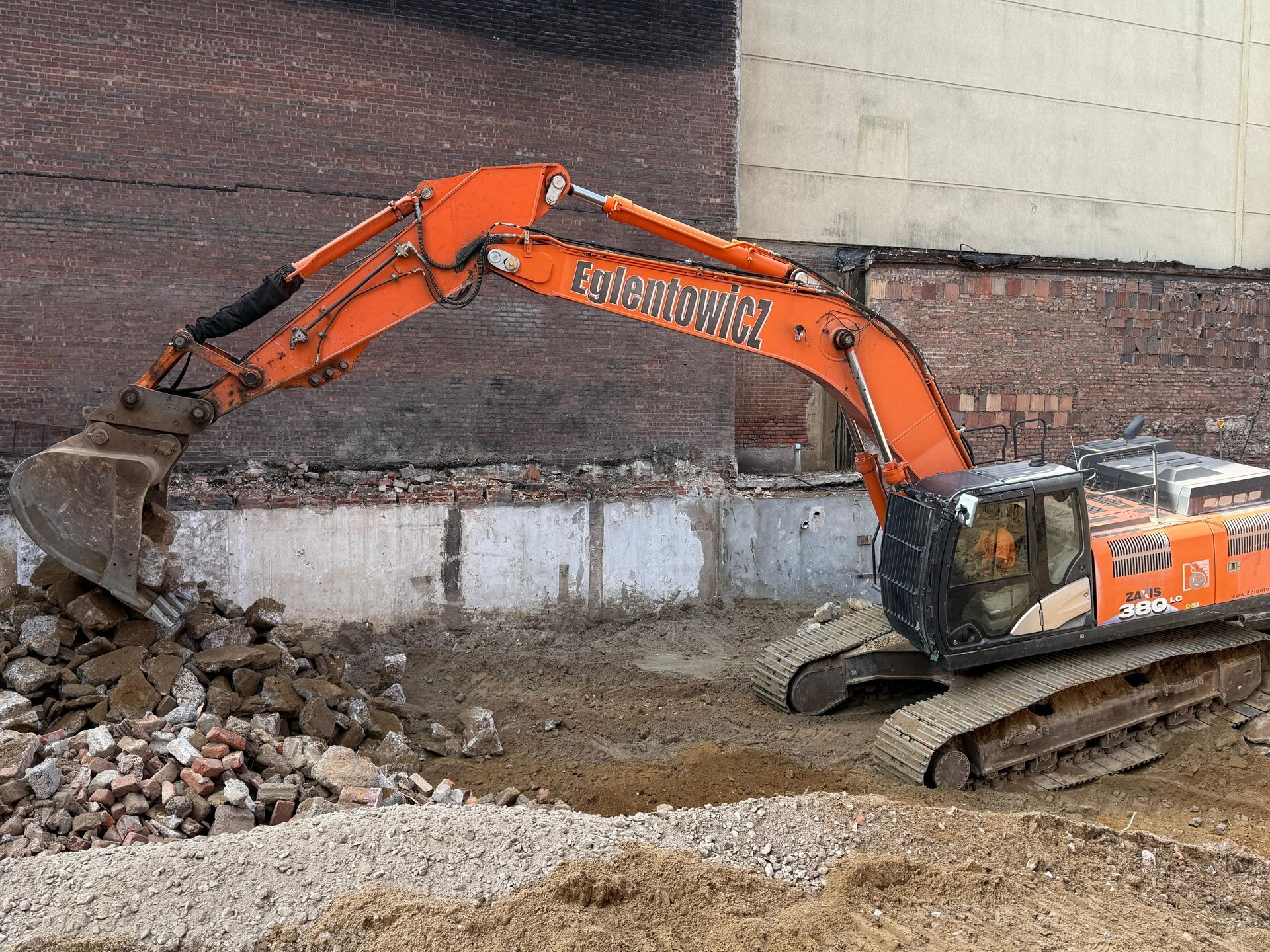
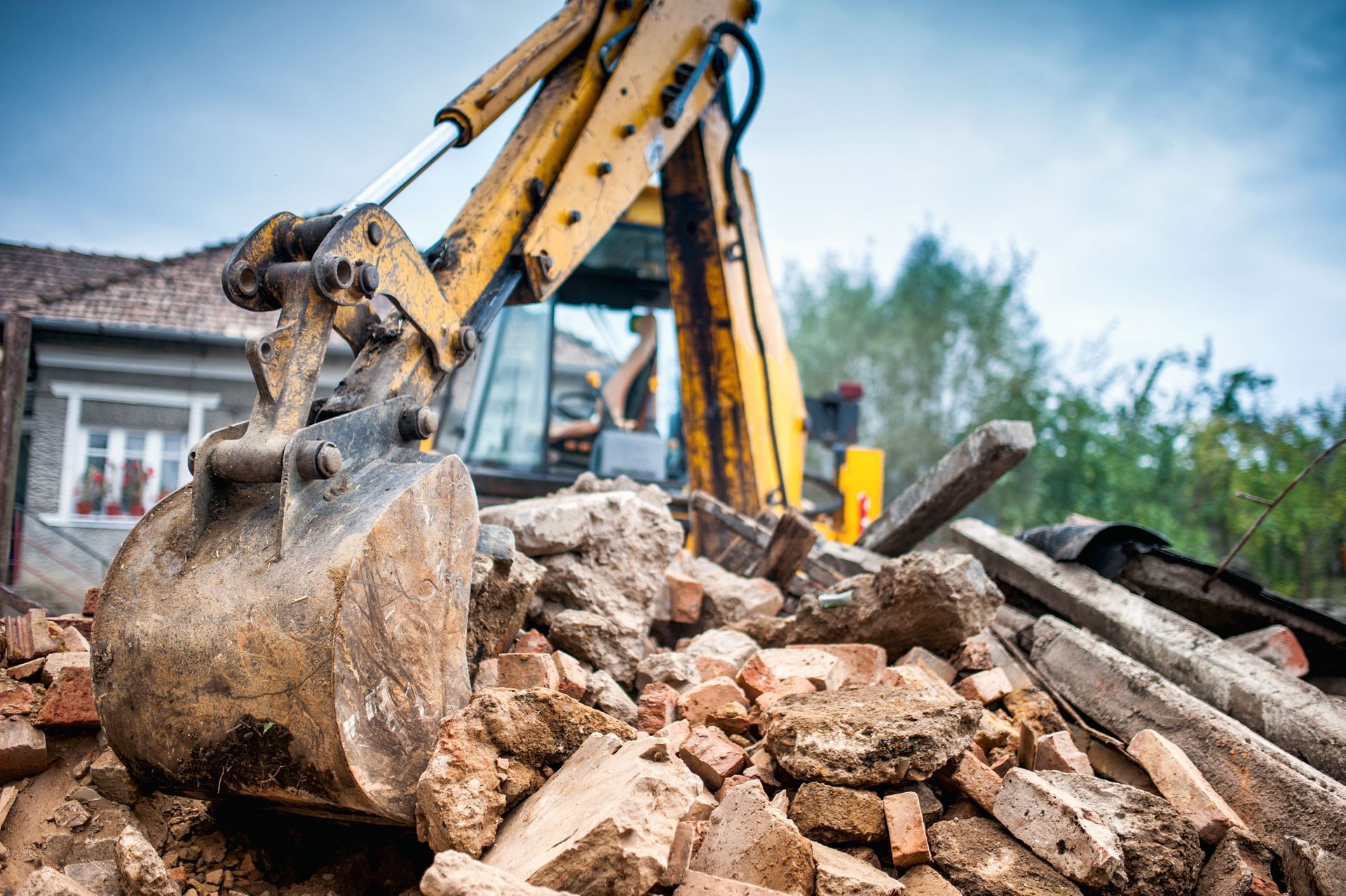
Once collected, the concrete is transported to a recycling facility where it is crushed into smaller pieces. These pieces are then processed further to create usable aggregate materials. Crushing equipment breaks down large chunks, making them suitable for reuse in road base, foundations, and new concrete mixes.
After crushing, the material goes through screening and cleaning processes. This removes impurities and ensures consistency in size and quality. A demolition contractor often works closely with recycling facilities to ensure that materials meet required standards before being reused. The final step involves quality testing and certification. Recycled concrete must meet engineering and safety requirements before it can be used in new construction projects. This ensures that structural integrity is maintained and that recycled materials perform reliably.
How Recycling Supports Sustainable Construction
Sustainable construction practices rely heavily on material reuse and resource efficiency. Recycling concrete reduces the need for virgin materials such as gravel and sand, which are extracted from natural environments. A demolition contractor contributes directly to sustainability efforts by ensuring that materials from old structures are reintroduced into the construction cycle. This reduces environmental disruption caused by mining and quarrying activities. Recycled concrete can be used in a variety of applications, including road construction, landscaping, drainage systems, and even new concrete production. This versatility makes it a valuable resource in modern building practices.
Long-Term Benefits of Recycling Concrete
Over time, recycling concrete creates a more efficient and sustainable construction industry. It reduces landfill usage, lowers project costs, and conserves natural resources. It also helps companies remain compliant with environmental regulations while improving public perception. A demolition contractor who prioritizes recycling becomes a key part of this long-term shift toward responsible construction practices. Instead of contributing to waste problems, they help solve them by turning old materials into new opportunities. As technology continues to improve, recycling processes are becoming more advanced and efficient. This means even higher recovery rates and better quality recycled materials in the future.
Recycling concrete is one of the most effective ways to reduce environmental impact while improving efficiency in construction and demolition work. With the right systems in place, a large portion of demolition waste can be recovered and reused instead of being discarded. Working with a qualified demolition contractor ensures that materials are properly handled from the very beginning of a project. This not only improves recycling outcomes but also supports compliance, cost savings, and sustainability goals. For reliable and environmentally responsible demolition services, Eglentowicz Demolition & Environmental Company provides professional solutions focused on safe demolition, material recovery, and responsible recycling practices that support a cleaner and more efficient construction industry. Contact us today!
















Share On: