
Hidden Expenses in Structural Teardowns: What Local Commercial Demolition Contractors Wish Property Owners Knew
Structural teardowns, particularly within the competitive commercial real estate sector, involve a complex interplay of logistical operations, regulatory field challenges, and variable labor metrics. While direct heavy equipment operating costs are highly visible, a multitude of hidden liabilities frequently catch property owners completely off guard. These unexpected fiscal variables can strain project timelines and quickly create devastating capital shortfalls for unprepared developers. This comprehensive analysis will thoroughly dissect these underlying expenses, highlighting structural insights directly from experienced local commercial demolition contractors. By building a comprehensive understanding of these potential budgeting pitfalls, owners can formulate highly realistic project timelines. Ultimately, mastering the hidden costs of heavy structural dismantling facilitates accurate corporate asset management, ensuring seamless transitions from old infrastructure to modern commercial developments.
Pre-Demolition Costs
Before heavy equipment can safely mobilize on a job site, property owners must navigate a complex gauntlet of initial administrative and environmental preparations. Conducting extensive pre-demolition hazardous materials testing represents a primary legal requirement that carries high upfront costs. Certified environmental consultants must be retained to meticulously inspect the building for hazardous materials like friable asbestos, lead paint, and polychlorinated biphenyls (PCBs).
Simultaneously, securing municipal approval requires substantial financial investments in municipal permitting fees. Municipalities routinely enforce strict zoning rules that mandate heavy structural permits, neighborhood pedestrian transit disruptions, and specialized utility termination fees. Disconnecting existing commercial utility lines requires extensive oversight from utility providers, who charge high fees to cap water mains, terminate high-voltage electrical connections, and seal high-pressure natural gas loops securely at the property perimeter line.
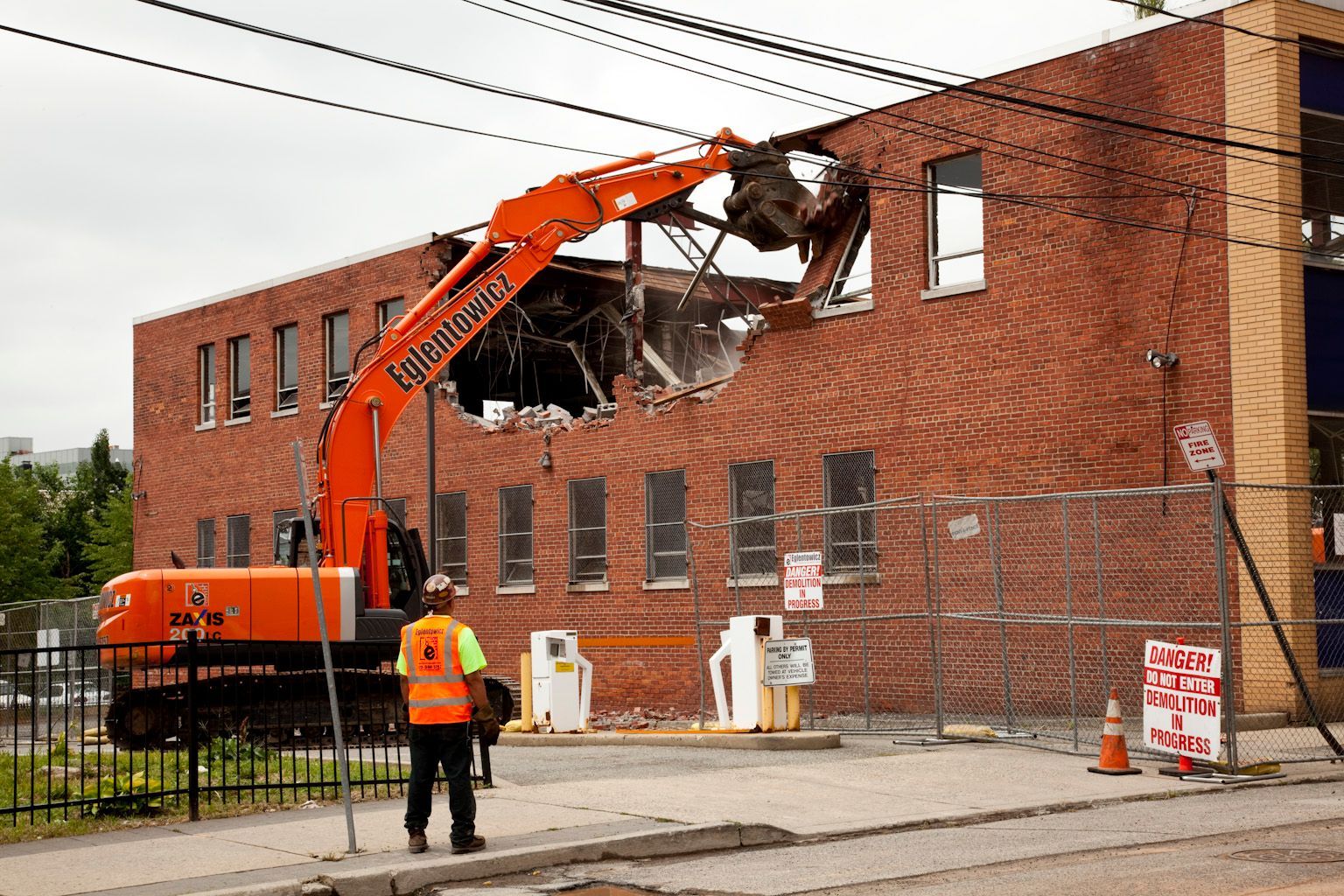
Furthermore, physically securing the job site demands immediate capital deployment. Experienced local commercial demolition contractors emphasize that installing engineered perimeter fences, dust mitigation tarps, security cameras, and clear traffic warning signs is mandatory to prevent public liability hazards. Engaging structural engineers to compile formal engineering surveys adds further pre-construction expense, though it remains a necessary cost to prevent premature structural collapses.
Structural Composition and Material Disposal
The unique interior composition of a commercial building directly dictates its final disposal costs. When hazardous substances are officially identified during the environmental assessment phase, certified abatement teams must execute containment and extraction procedures prior to structural teardowns. The labor-intensive nature of hazardous waste abatement requires specialized negative-pressure containment enclosures and rigorous air monitoring, driving initial budgets significantly higher.
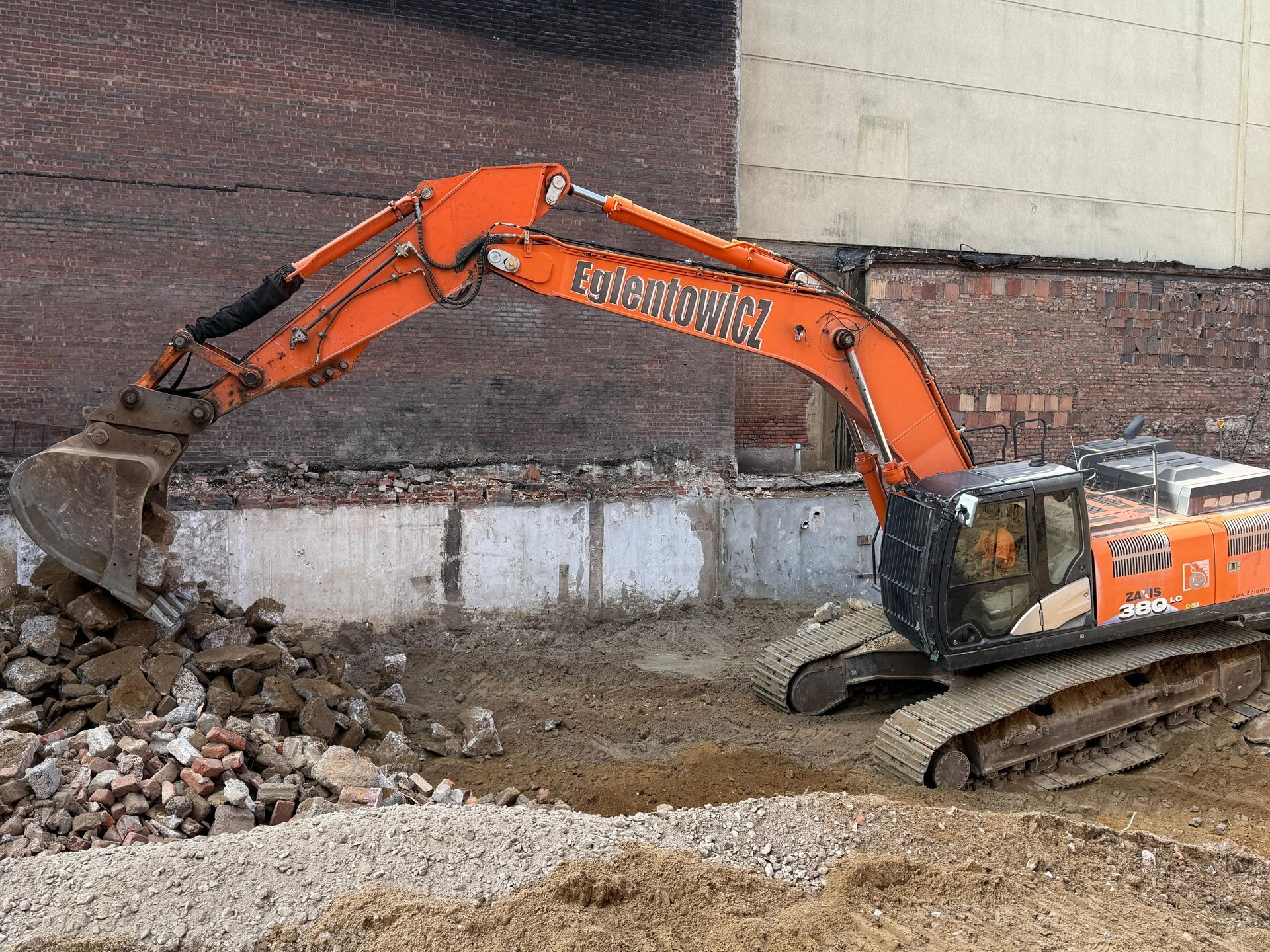
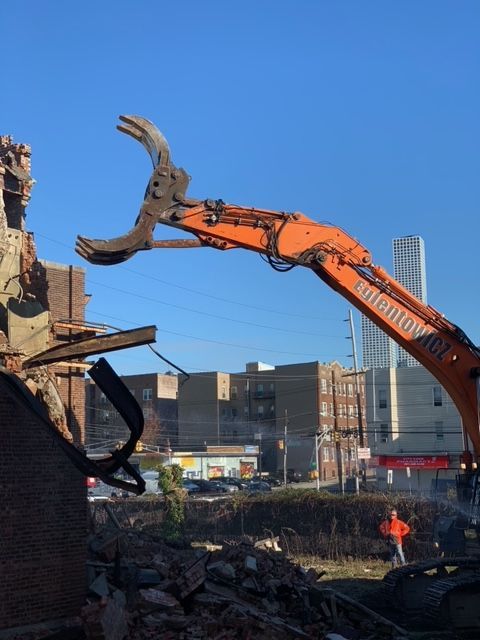
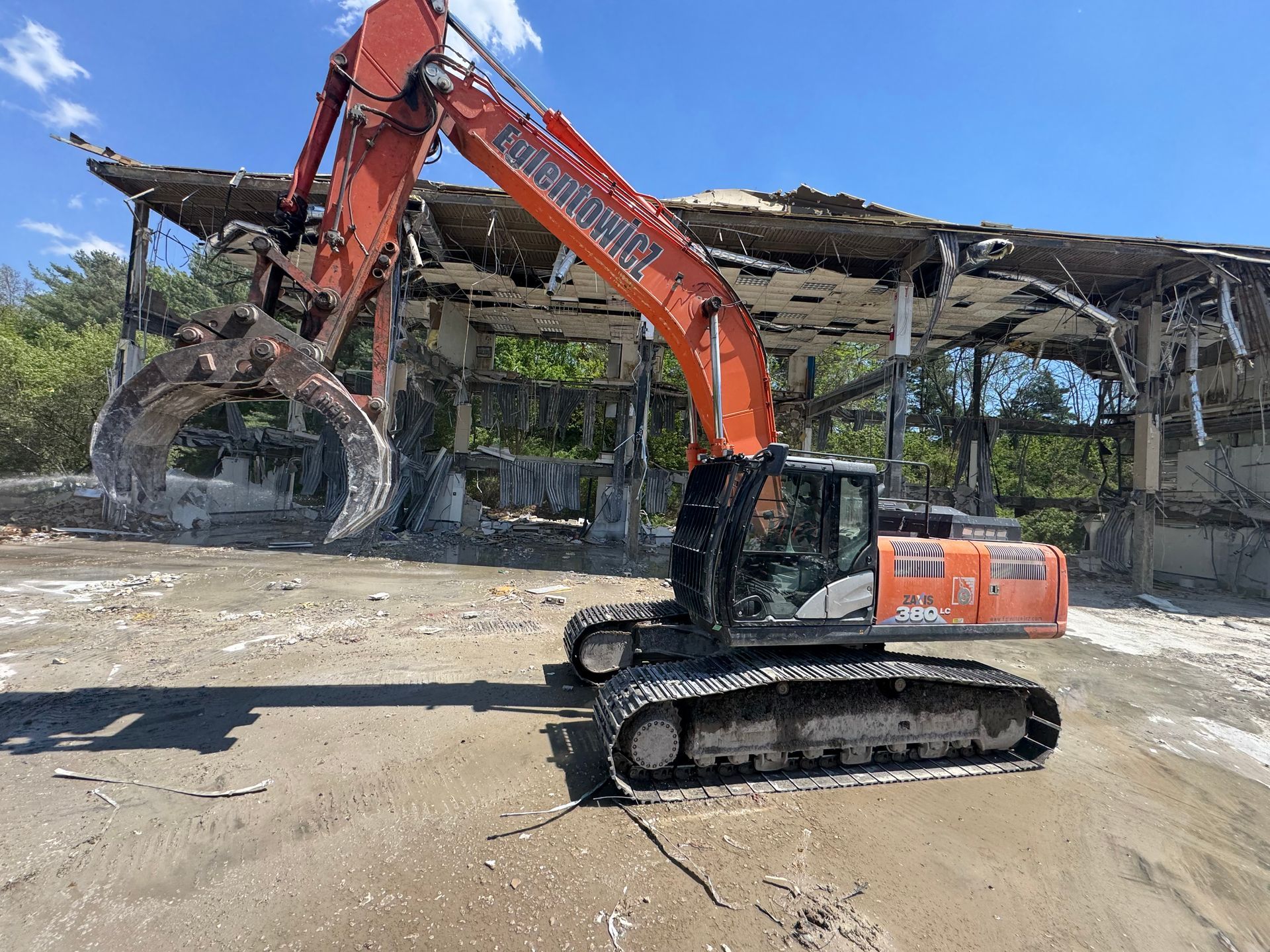
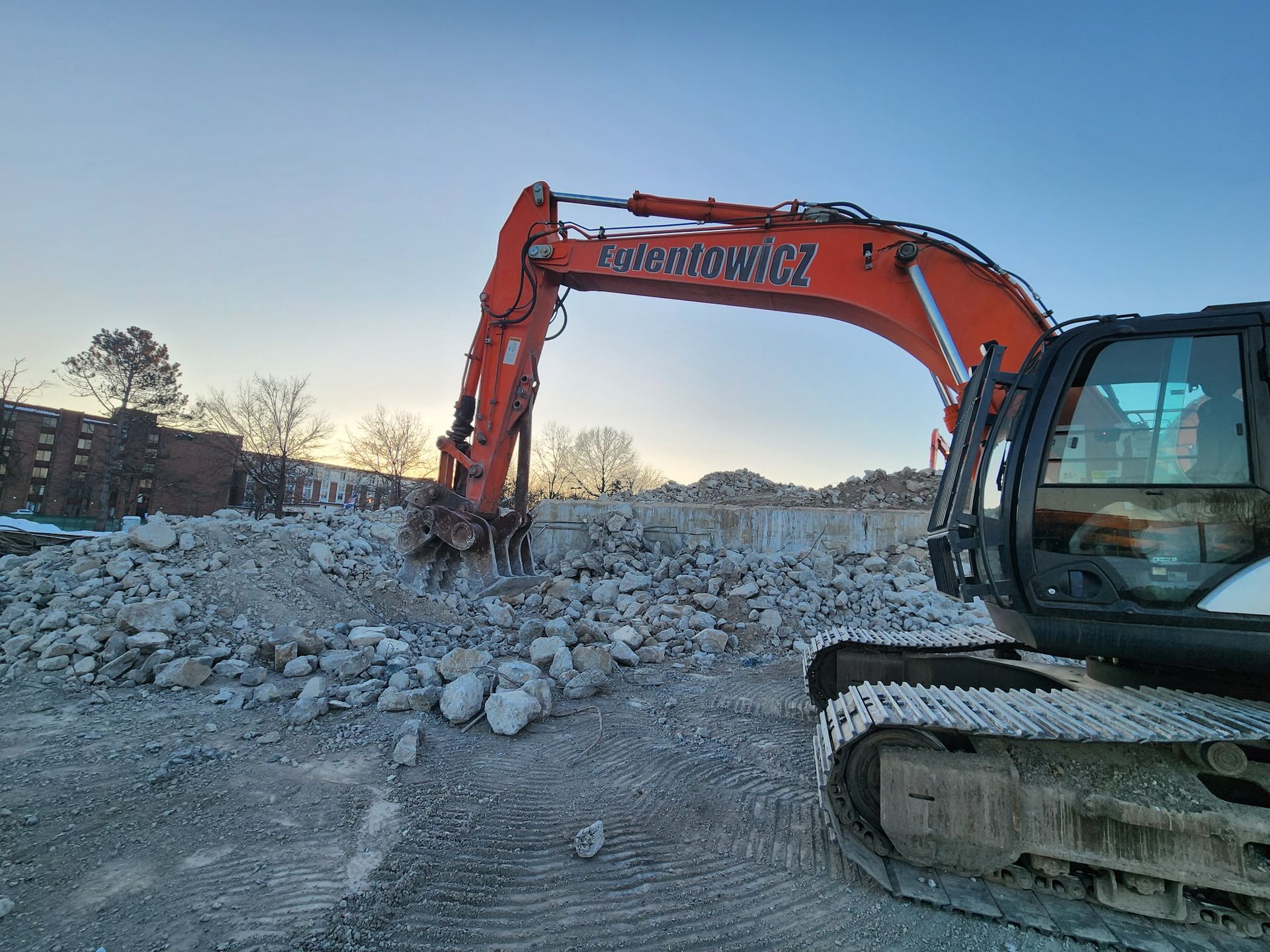
Once remediation wraps up, modern heavy machine operators focus directly on strategic asset recovery and waste reduction strategies. According to the National Demolition Association, modern demolition professionals typically recycle more than 90% of a building. Achieving this impressive percentage requires extensive material segregation on site, utilizing specialized sorting attachments on excavators to separate structural steel, copper conduits, architectural timbers, and structural masonry block.
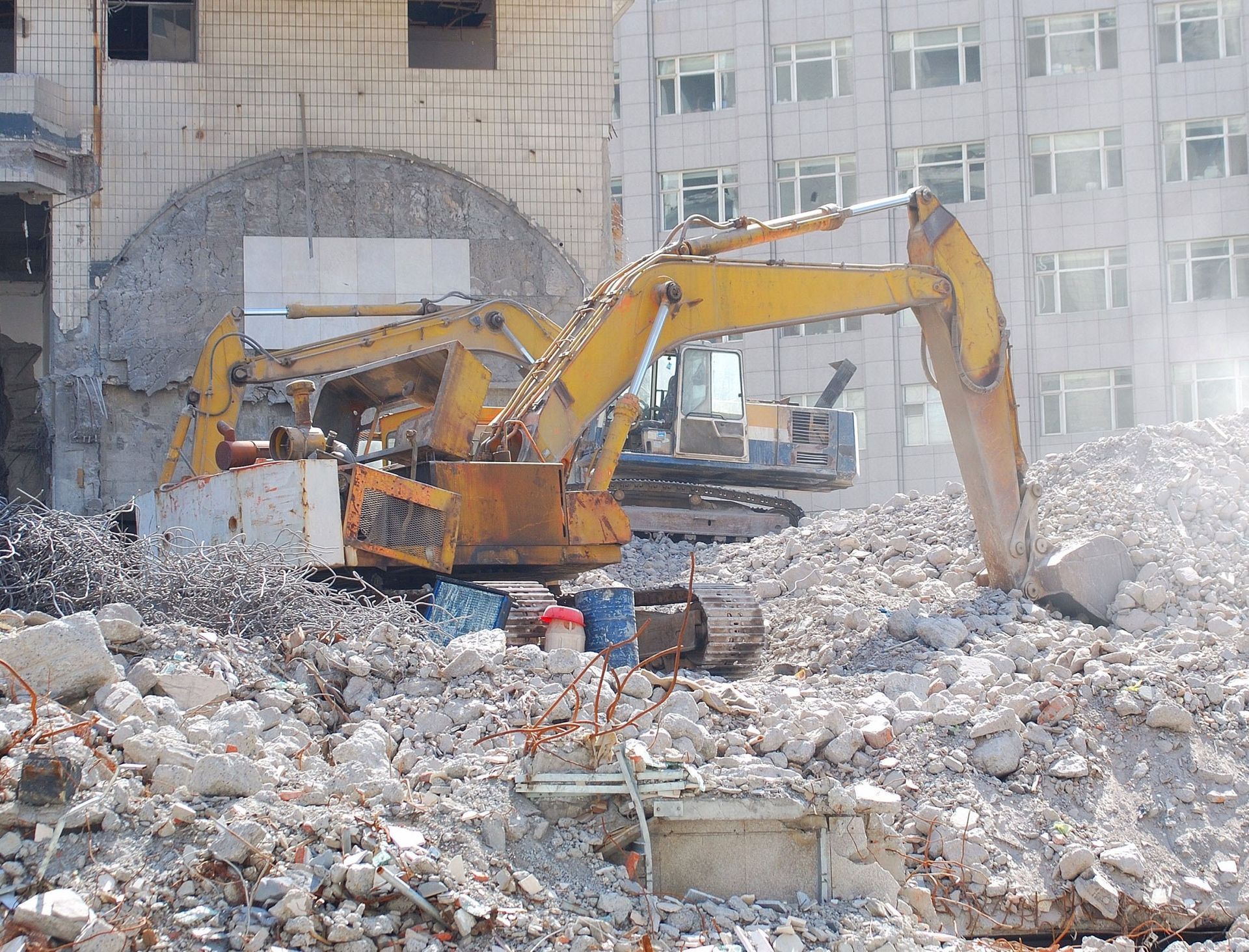
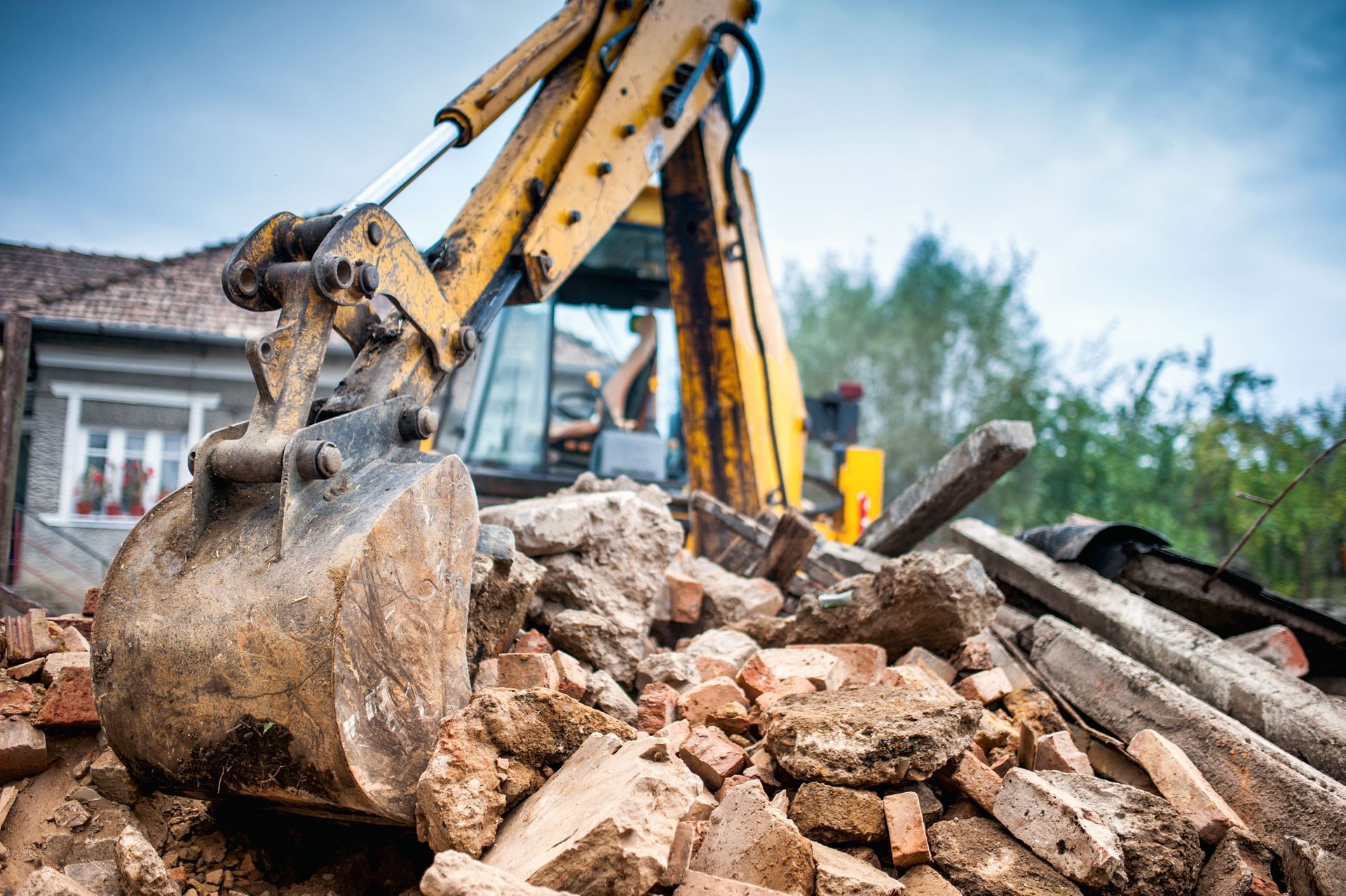
While this intensive sorting process requires additional operating hours, it helps mitigate the substantial landfill tipping fees calculated by regional waste management facilities. Landfill operators levy heavy taxes on mixed construction debris, meaning unsegregated waste can instantly trigger massive budget overruns. Additionally, the logistics of hauling heavy masonry debris involve significant fuel surcharges and specialized heavy transport leasing costs. Local commercial demolition contractors must carefully orchestrate these shipping rotations to match strict municipal road weight regulations, as violating local weight limits results in severe financial penalties.
Compliance and Regulatory Challenges
Navigating the web of modern municipal building codes and strict legal liabilities represents a massive operational expense during urban structural teardowns. Regulatory compliance demands ongoing oversight, as failure to strictly adhere to evolving environmental laws can result in immediate project shutdowns. For instance, maintaining strict asbestos and lead compliance requires extensive reporting, where detailed manifests documenting the exact chain of custody for hazardous waste must be filed with environmental protection agencies.
Furthermore, operating heavy machinery in dense commercial zones requires strict compliance with local noise ordinances and dust suppression mandates. Local commercial demolition contractors must deploy specialized misting cannons to suppress particulate matter, which requires continuous access to high-volume water hookups. Adhering to strict local work-hour limitations can prolong the project duration, adding to the total daily labor cost.
Property owners must also invest in proactive stakeholder engagement campaigns to inform adjacent businesses and residential neighborhoods about upcoming structural impacts. Finally, funding mandatory independent safety inspections throughout the demolition cycle adds ongoing administrative costs, but it remains crucial for maintaining structural validity and ensuring public safety.
Unexpected Structural Issues
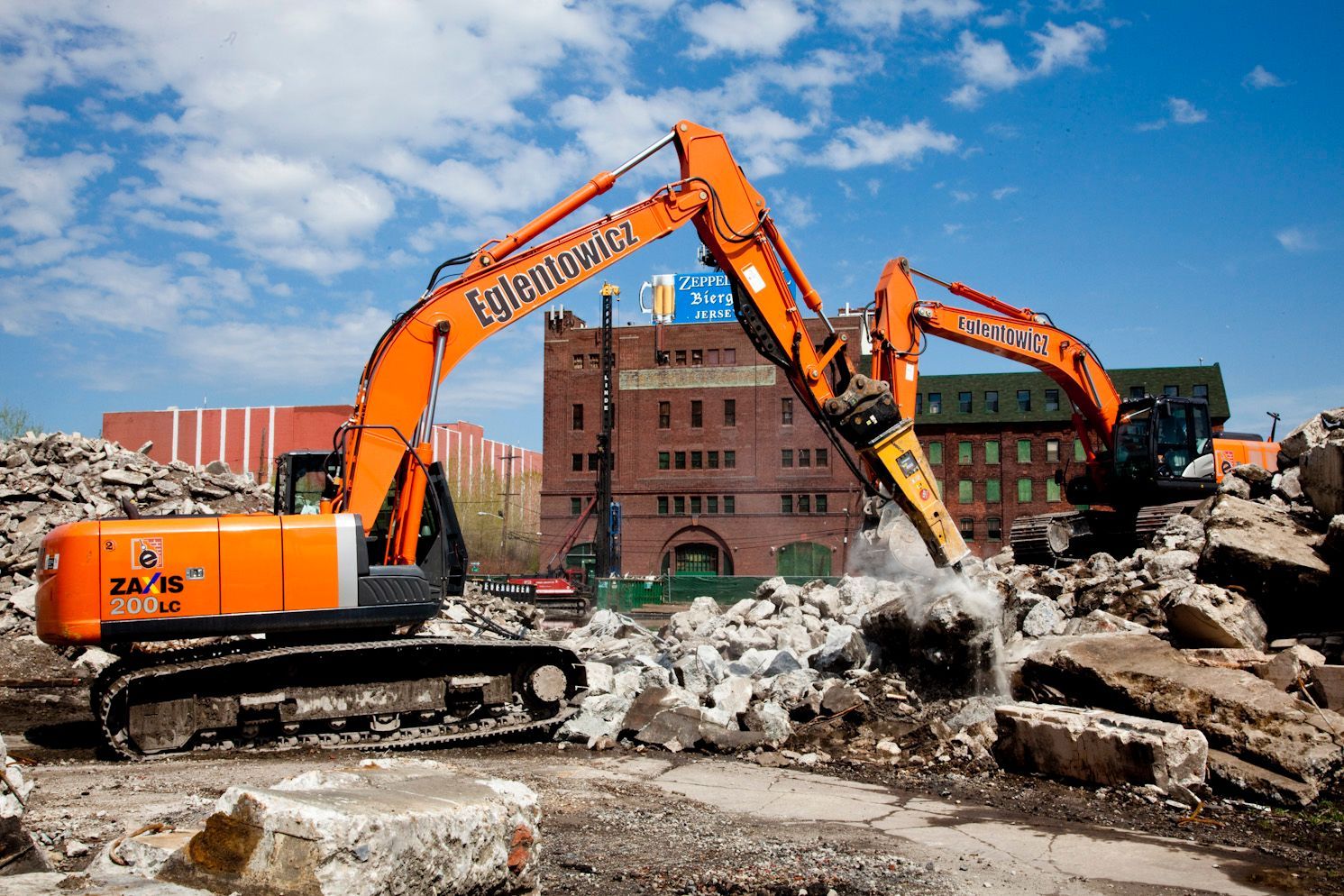
Even with thorough architectural blueprints, structural teardowns frequently reveal hidden subterranean surprises that create immediate financial friction. Subsurface excavations often uncover undocumented historical foundations, abandoned storage tanks, or forgotten concrete basements from previous centuries. Demolishing these massive, unmapped subterranean structures requires specialized high-impact hydraulic breakers, instantly increasing equipment runtime and fuel consumption.
Furthermore, uncovering unstable or highly contaminated soil layers beneath an old slab requires immediate environmental remediation. If past commercial operations leaked hazardous chemicals into the water table, owners must pay for expensive soil stabilization, complete dirt extraction, and clean backfill placement.
Unmapped underground utility lines represent another severe financial hazard. Striking an undocumented high-pressure water main or fiber-optic array results in costly utility repair assessments and immediate project delays. If the building shares structural party walls with adjacent commercial spaces, installing temporary structural shoring beams becomes necessary to stabilize neighboring properties. These dynamic engineering changes demand immediate budget reallocations to keep field personnel safe.
Post-Demolition Site Restoration
The final phase of a commercial teardown involves transforming a debris-strewn job site into a stable, build-ready parcel of land. Comprehensive site grading is required to level the property, optimize surface water drainage, and prevent hazardous pooling across the newly cleared lot. Improperly graded parcels risk massive water damage to future foundations, making precise excavation work essential.
Property owners must also fund robust erosion control measures to comply with clean water regulations. Local commercial demolition contractors deploy engineered geotextile silt fences, hydroseeded ground cover, and stone tracking pads to prevent soil runoff into municipal storm systems during heavy rain events.
If heavy excavators damaged adjacent sidewalks or public curbs during the teardown, the owner must fund complete infrastructure restoration to satisfy municipal inspectors. Improving the overall load-bearing capacity of the soil through mechanical compaction represents an additional post-demolition investment. Finally, preparing the site for immediate construction involves installing temporary utility hookups, conducting comprehensive compaction testing, and securing final municipal sign-offs, all of which demand precise financial planning to ensure long-term development continuity.
Financial Planning and Risk Mitigation
Mitigating the hidden liabilities of structural teardowns requires a proactive approach to financial planning. Smart developers work closely with local commercial demolition contractors to build realistic budgets that anticipate hidden variables. Maintaining an ironclad contingency fund of 10% to 20% of the baseline contract value is essential for absorbing unforeseen structural surprises without halting field operations.
Furthermore, securing specialized environmental liability insurance protects owners against unexpected pollution discoveries. Utilizing competitive bidding processes allows owners to thoroughly vet prospective contractors based on past safety records rather than bottom-line price alone. Selecting a highly experienced corporate partner ensures efficient resource management, minimizing costly errors throughout the project lifecycle.
For commercial property owners engaged in structural teardowns, maintaining an awareness of hidden expenses is crucial to effective project management and financial planning. Anticipating unforeseen costs—from environmental assessments to post-demolition site restoration—aids in comprehensive budget development. Establishing open lines of communication with experienced local commercial demolition contractors helps clarify potential expenses and streamline operations.
Navigating the evolving landscape of heavy structural dismantling requires a steady, strategic partnership that shields your investments and identifies hidden liabilities before they impact your bottom line. When you possess the clarity to interpret modern engineering demands accurately, you can make empowered operational decisions that secure your company’s future asset liquidity. Do not leave your commercial site preparation to chance or get lost in dense regulatory compliance jargon. Contact the expert team at Eglentowicz Demolition & Environmental Company for premium dismantling and remediation guidance today.













Share On: