
How Demolition Contractors Manage Hazardous Materials During Industrial Demolition
Industrial demolition involves more than removing structures and equipment. Older facilities may contain materials that require careful identification, handling, and disposal due to previous industrial activities. Before work begins, demolition contractors review the property, its history, and accessible areas to identify potential hazards and determine whether further testing is needed. This article explains how contractors manage hazardous materials during industrial demolition, from identifying risks to coordinating removal, containment, disposal, and cleanup.
Identifying Potential Hazards
One of the first steps in industrial demolition is identifying materials that may require special handling. The types of hazards can vary based on the property's age, construction, former operations, and previous modifications. Materials that were commonly used in older buildings may require additional attention during demolition. Contractors may look for signs of potentially hazardous materials throughout the structure and surrounding areas. Building records, previous inspection reports, and information about past operations can help provide useful background. Visual assessments and testing may also be used when the presence or condition of a material cannot be determined through observation alone. Some materials may be located in areas that are not immediately visible. They can be found behind walls, above ceilings, around mechanical areas, or within other parts of a structure. Identifying these concerns before demolition progresses can help contractors plan the work around known conditions.
Assessing Material Conditions
Finding a potentially hazardous material is only part of the process. Contractors also need to consider its condition, location, and potential to become airborne or spread during demolition. Materials that are stable and contained may require a different approach than materials that are damaged, deteriorating, or likely to be disturbed. The condition of a material can affect how it is handled during the project. Contractors may review whether the material needs to be isolated, removed before other demolition activities, or managed through specific work procedures. The surrounding area may also need to be considered if there is a possibility of contamination. A careful assessment helps establish a practical sequence for the project. Instead of treating every material in the same way, contractors can account for the characteristics of the property and the conditions identified during planning.
Planning Safe Removal
Once hazardous materials have been identified and assessed, contractors can develop procedures for managing them. Planning may include determining which materials should be removed before general demolition begins and which can be addressed as the project progresses. The work area may need to be separated from other parts of the property. Access can also be controlled to limit unnecessary exposure to affected areas. Contractors may establish procedures for workers entering and leaving the area, handling materials, and maintaining appropriate containment. Personal protective equipment may be selected based on the hazards involved. Contractors can also establish procedures for reducing dust, preventing material from spreading, and keeping work areas organized. These steps are designed to reduce potential exposure while allowing the demolition process to move forward in a controlled manner.
Containing Disturbed Materials
Demolition can disturb materials that have remained in place for many years. Cutting, breaking, dismantling, and other activities can create dust or move loose material if proper controls are not used. Containment procedures help limit the movement of potentially hazardous substances. The specific approach depends on the type and condition of the material. Contractors may use barriers, controlled work areas, specialized handling procedures, or other measures appropriate for the site. The goal is to keep affected materials within designated areas and reduce the chance of spreading them to clean portions of the property. Maintaining containment can be particularly important in larger facilities where multiple areas may be undergoing work at different times. Contractors need to account for movement between work zones and maintain clear procedures throughout the project.
Managing Demolition Debris
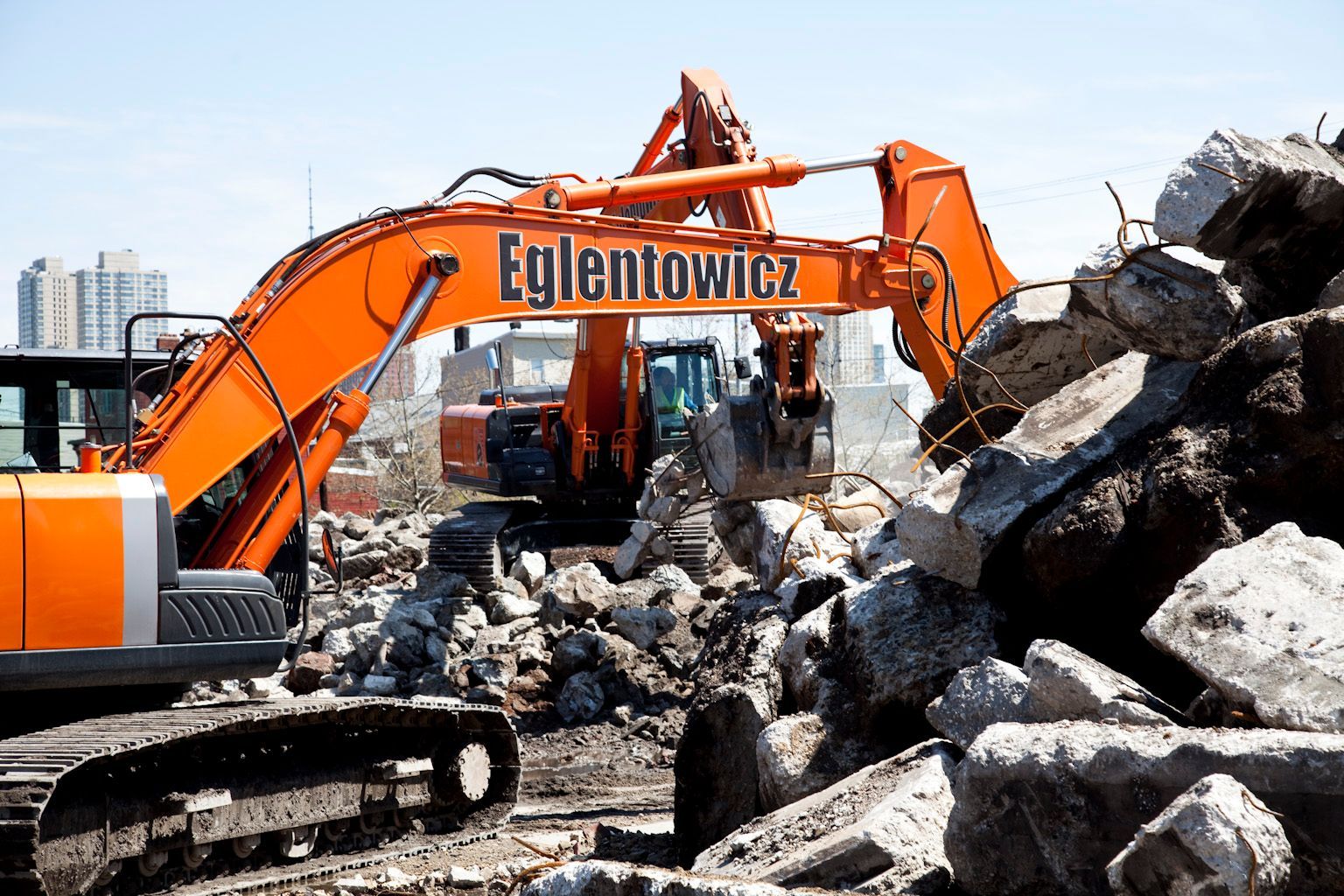
Hazardous materials need to be separated from other demolition debris when required. General construction and demolition materials can include concrete, metal, wood, masonry, and other materials, while hazardous materials may require different handling and disposal procedures. According to the EPA, about 600 million tons of construction and demolition debris are generated annually in the United States, with concrete representing one of the largest and most recyclable material streams. This large volume highlights the importance of organizing demolition materials properly. Separating materials can help identify what may be reused or recycled and what needs to be handled through other disposal processes. During industrial demolition, contractors may establish designated areas for different types of materials. Keeping materials separated can make transportation and disposal more manageable while reducing the chance that hazardous substances become mixed with ordinary debris.
Coordinating Proper Disposal
Hazardous materials generally require disposal through appropriate channels rather than being treated as ordinary construction debris. Contractors need to understand the requirements that apply to the materials found at the site and coordinate handling accordingly. Material may need to be packaged, labeled, transported, and delivered to an appropriate facility. The procedures used can depend on the type of substance and the applicable requirements. Careful coordination helps prevent improper disposal and supports better control of materials from the time they are removed until they leave the property. Documentation can also play a role in this process. Records may help track what materials were identified, how they were handled, and where they were taken. Maintaining clear information can support project organization and provide a record of the work performed.
Controlling Exposure Risks
Worker and environmental safety are major considerations when hazardous materials are present. Contractors can use established procedures to limit unnecessary exposure during demolition activities. Work practices may include controlling access, limiting the number of people in affected areas, using appropriate protective equipment, and reducing the release of dust or debris. Workers may also receive information about the hazards associated with the materials they may encounter. Communication is important throughout the project. Conditions can change as walls, floors, equipment, and other structures are removed. Contractors need to be prepared to address unexpected materials or conditions when they are discovered rather than continuing work without considering the potential hazard.
Monitoring Changing Conditions
Industrial properties can contain materials that are difficult to identify before demolition begins. Once structures are opened, contractors may discover conditions that were not visible during the initial assessment. This is one reason ongoing observation is an important part of hazardous material management. If an unexpected material is found, work in the affected area may need to pause while the material is evaluated. Contractors can then determine the appropriate next steps based on its characteristics and location. This approach helps keep the demolition process organized when conditions differ from initial expectations. It also allows contractors to adjust procedures before continuing work in an affected area.
Cleaning Completed Areas
Hazardous material management does not necessarily end when the material is removed. Contractors may need to clean affected areas and manage remaining debris before the space can move into the next stage of demolition or redevelopment. Cleanup procedures depend on the materials involved and the conditions of the site. Contractors may inspect work areas for remaining debris, loose material, or other concerns that could affect subsequent activities. Proper cleanup can help separate completed areas from portions of the property that still require work. A clean and organized work area can also make it easier to continue demolition safely. Materials that have been removed, separated, and properly handled are less likely to interfere with later stages of the project.
Managing hazardous materials requires planning, careful assessment, proper containment, debris separation, and appropriate disposal. Industrial demolition projects can vary based on a property's history, construction, and materials present, making a structured approach important. When hazardous materials are suspected, seeking professional help can help determine appropriate next steps. For safe and organized industrial demolition, contact Eglentowicz Demolition & Environmental Company to discuss your project.














Share On: