
The Precise Engineering Behind Complex Industrial Demolition Projects
Dismantling massive manufacturing facilities, power plants, and chemical processing complexes requires a level of planning as rigorous as constructing them. Rather than relying on brute force, modern structural teardowns depend entirely on meticulous calculations, advanced mechanical physics, and specialized environmental containment protocols. According to IBISWorld, there were 4,772 businesses in the Demolition & Wrecking industry in the U.S. as of 2025. This expanding market sector reflects a growing national demand for decommissioning obsolete facilities safely and efficiently. Executing successful industrial demolition projects demands expert engineering teams capable of taking down massive steel frames without risking surrounding infrastructure or public health.
Analyzing Structural Load Distributions Through Finite Element Modeling
Engineers begin every major decommissioning project by performing detailed structural analyses to understand how weight and force shift during teardown sequences. Using advanced finite element software, dynamic load models map dynamic structural stresses before heavy machinery ever touches structural columns. Knowing how gravity acts upon weakened steel trusses allows project planners to predict collapse behaviors with absolute mathematical certainty. Specialists in industrial demolition rely heavily on these analytical models to determine exact locations for critical torch cuts or hydraulic shearing passes. Advanced structural modeling eliminates unpredictable structural shifting, preventing premature collapse events and keeping field crews safe throughout every phase of the physical dismantling operation.
Identifying Hazardous Materials Through Rigorous Environmental Audits
Legacy industrial sites frequently harbor hazardous chemicals, asbestos insulation, heavy metal residue, and volatile chemical compounds within aging pipe networks. Comprehensive environmental audits systematically sample structural coatings, subterranean piping, and insulation layers prior to mechanical razing operations. Highly trained remediation crews strip hazardous materials under negative air pressure containment before major structural dismantling moves forward. Managing dangerous substances during an industrial demolition project prevents airborne contamination from reaching adjacent residential zones or active commercial facilities. Thorough environmental remediation protects field crews from toxic chemical exposure while ensuring complete compliance with federal regulations governing hazardous waste handling and disposal practices.
Planning Controlled Explosive Sequences With Microsecond Delays
Imploding giant concrete silos or soaring steel stacks requires placing shaped explosive charges inside strategic load-bearing structural columns. Demolition engineers calculate precise charge sizes, standoff distances, and microsecond delay sequences to guide heavy structures into tight target drop zones safely. Controlled explosive techniques reduce massive concrete and steel frameworks into manageable debris piles within seconds without damaging nearby active power lines or adjacent buildings. Employing precision explosives on a complex industrial demolition site minimizes high-risk elevated work for human riggers. Methodical blast designs convert enormous potential energy into controlled downward kinetic forces, ensuring large structures fall inward predictably away from sensitive boundaries.
Utilizing High Reach Excavators With Advanced Attachments
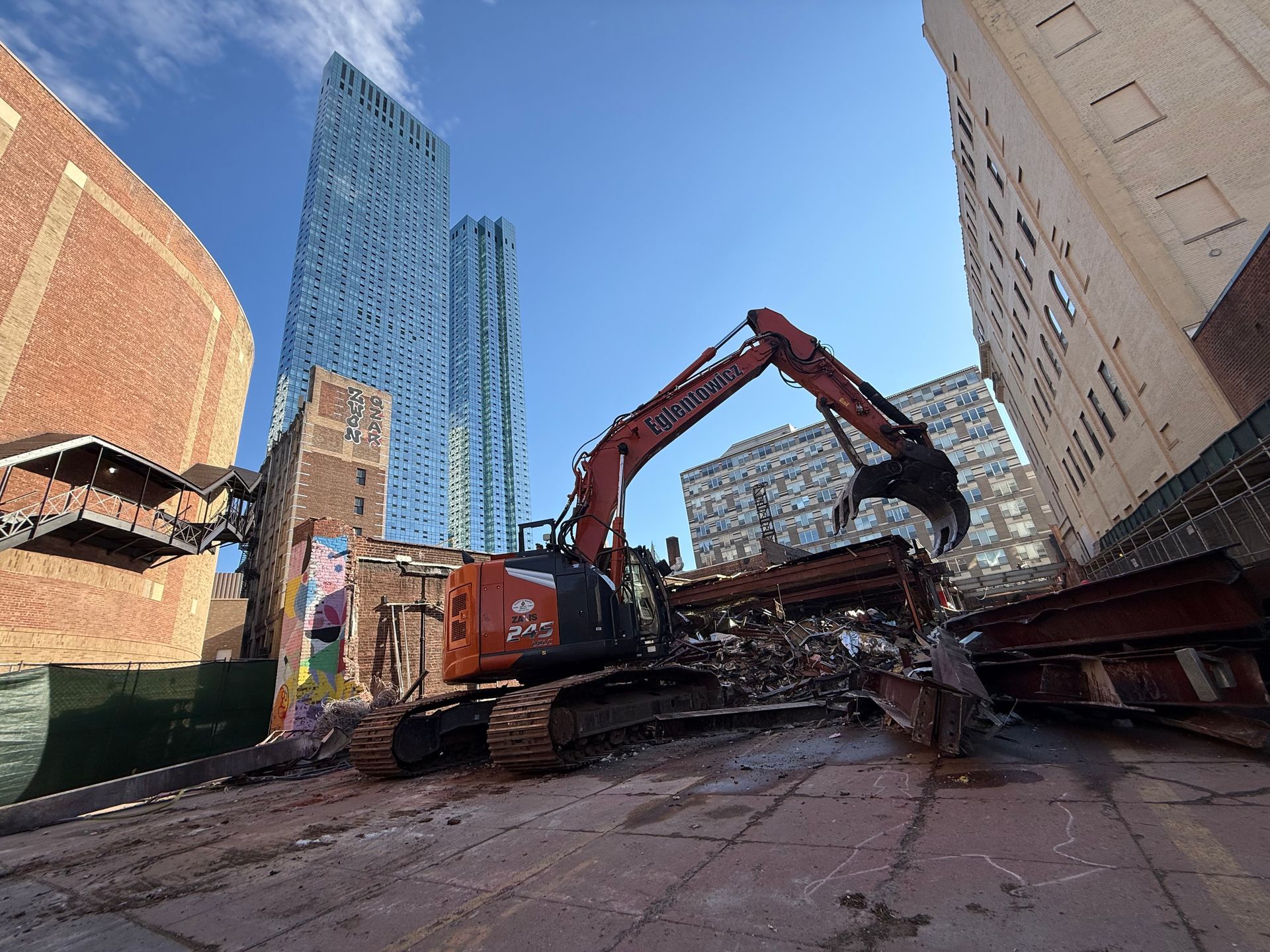
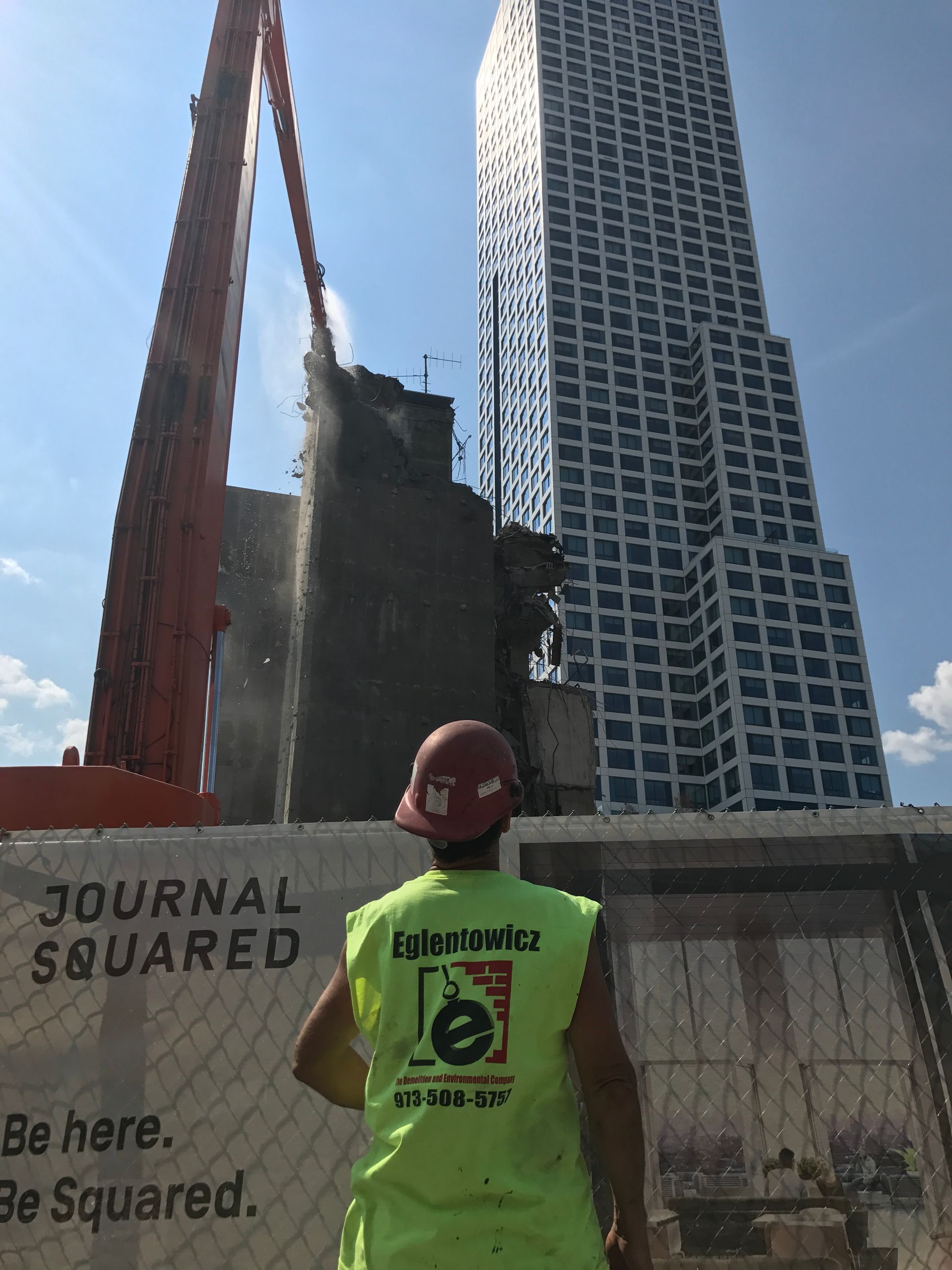
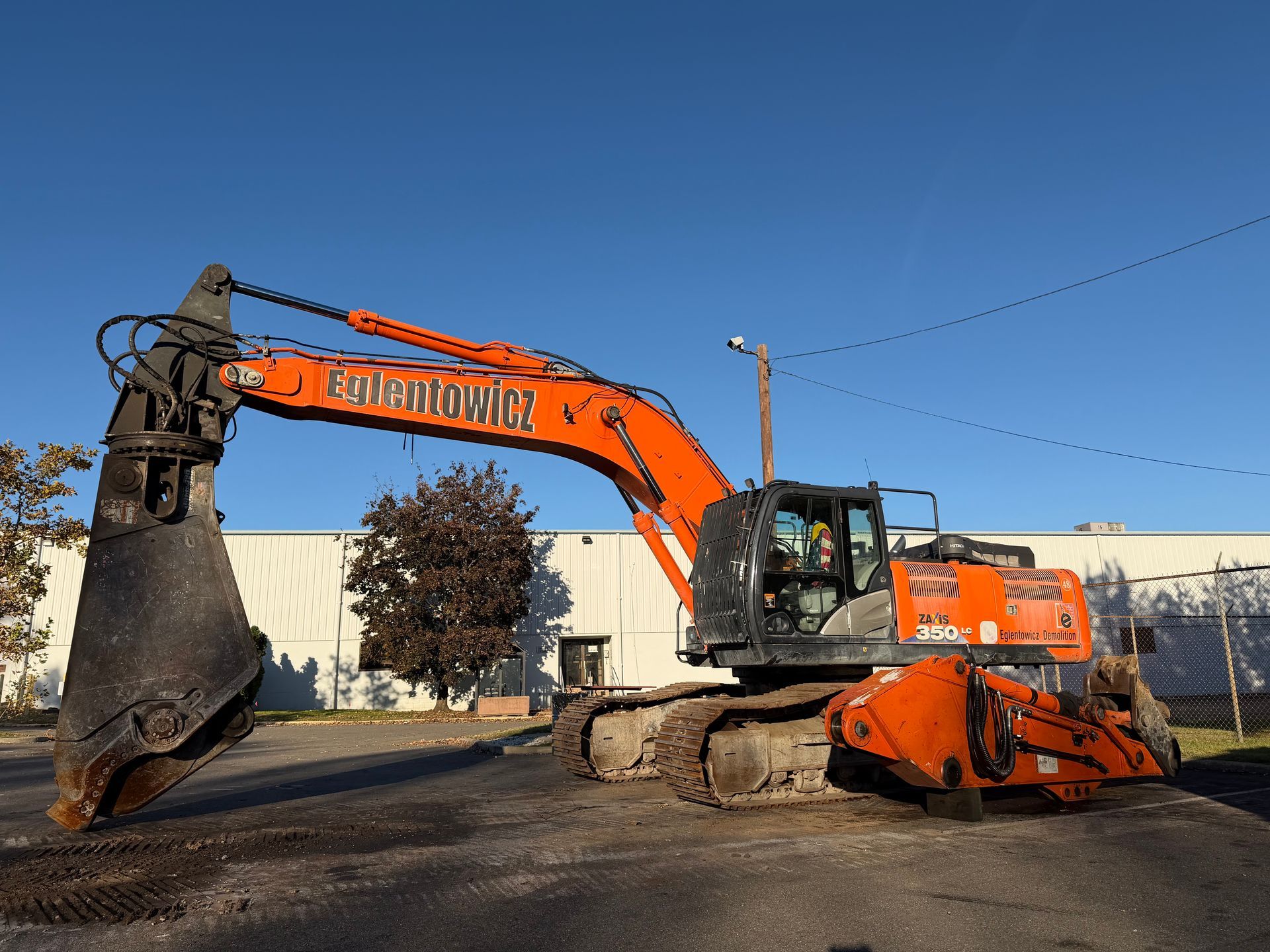
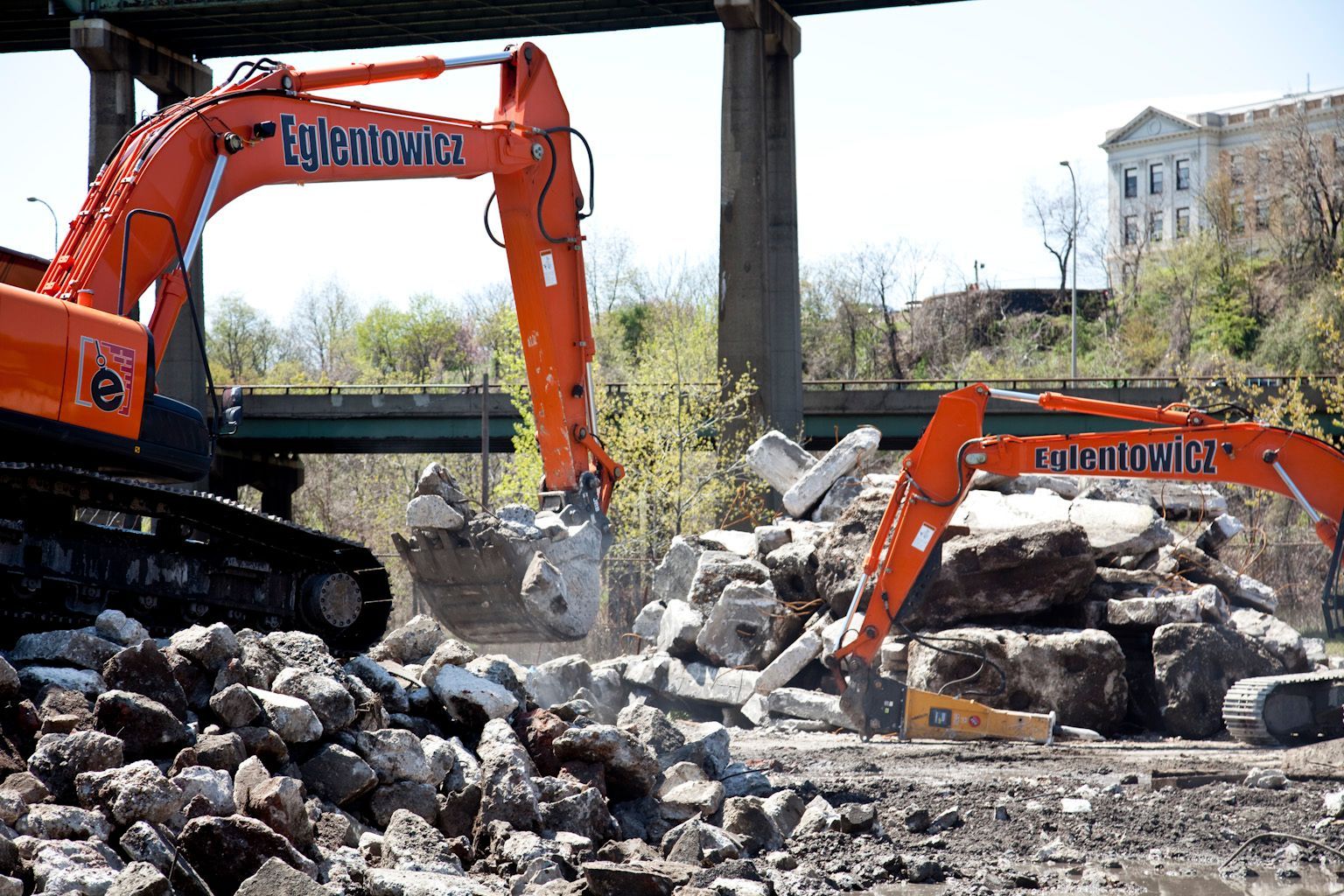
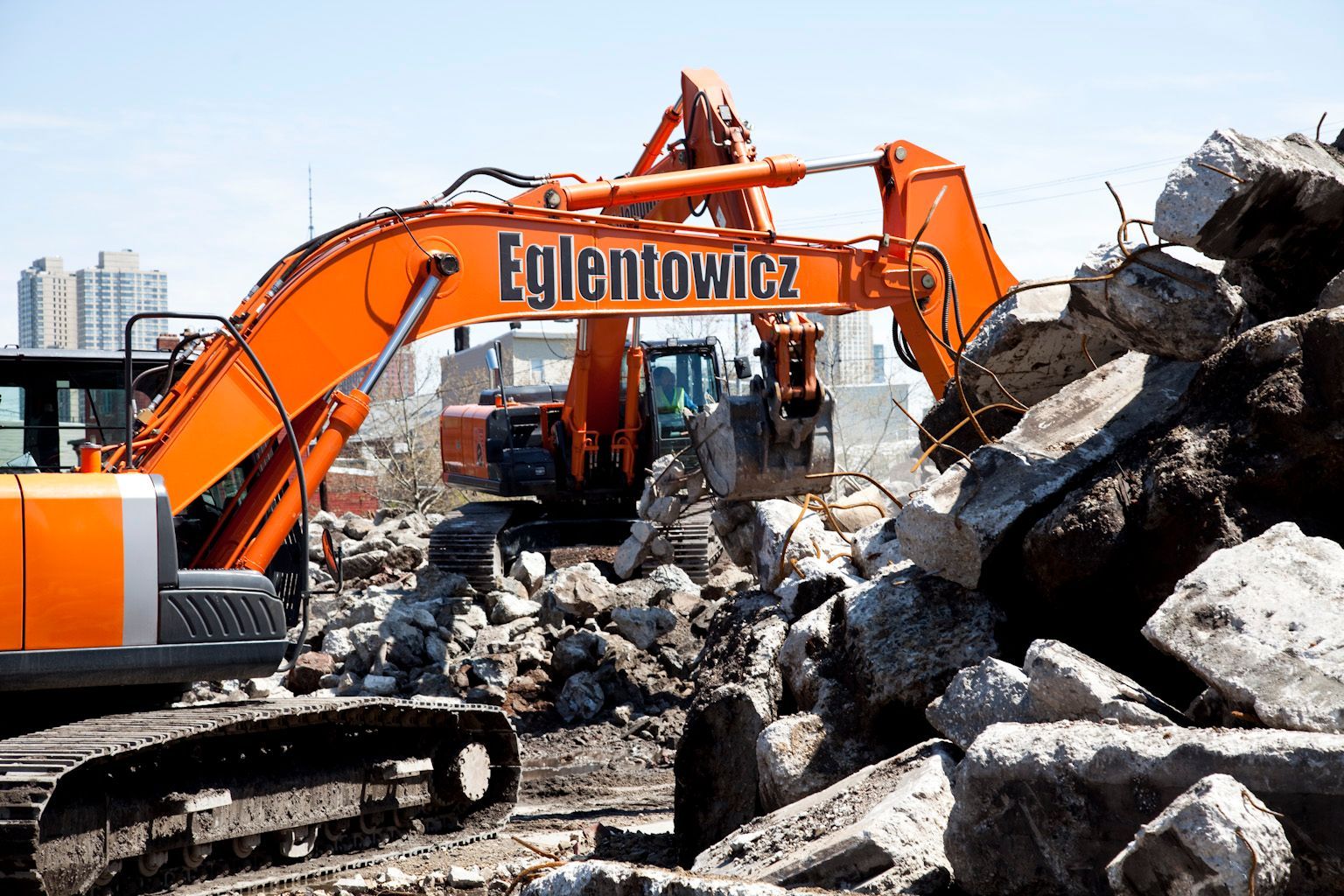
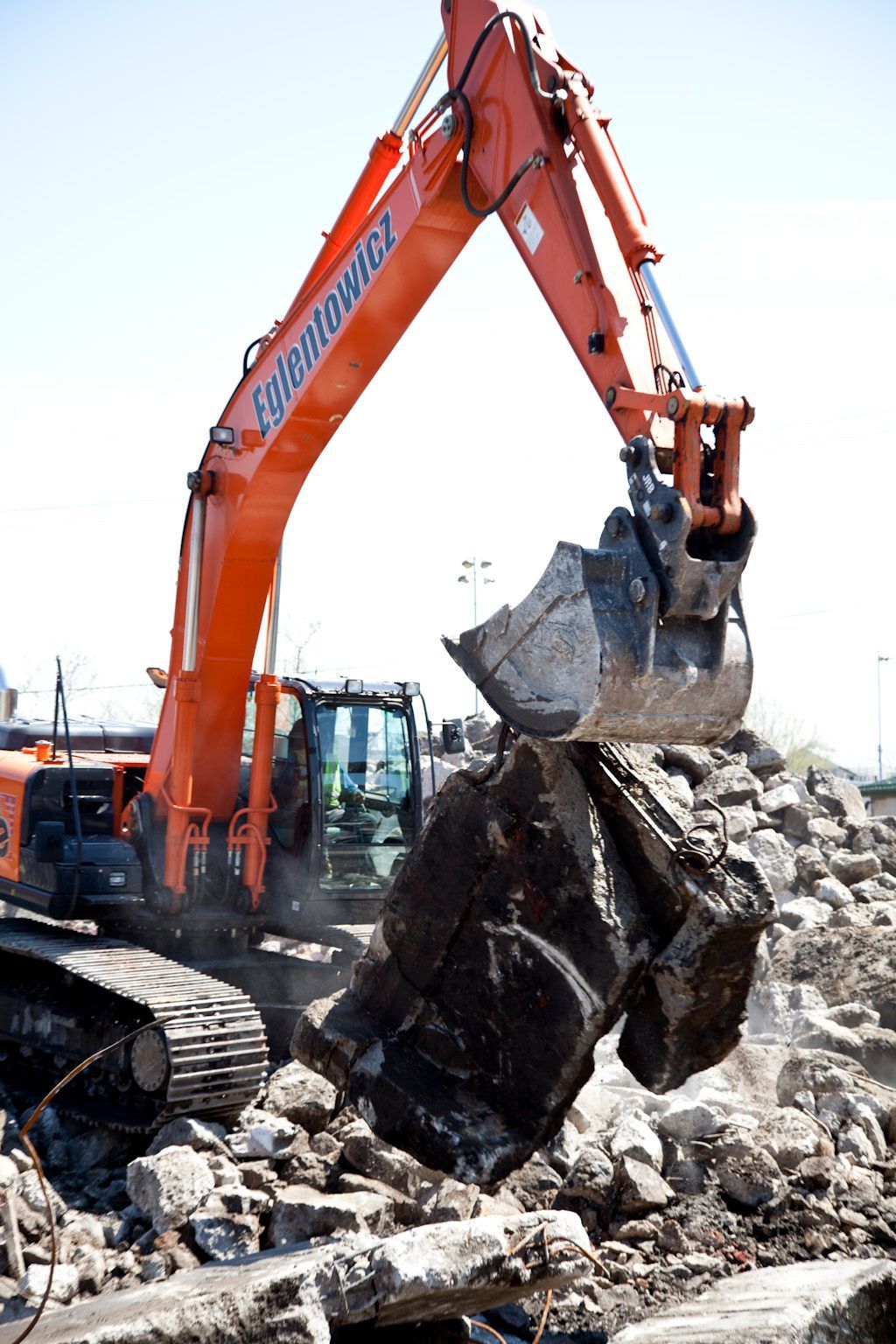
Taking down multi-story steel mills or concrete processing towers requires specialized high-reach demolition excavators fitted with hydraulic shears and concrete crushers. Operating boom arms extending past one hundred feet, trained heavy equipment operators methodically peel away upper building levels layer by layer. Equipping heavy machinery for industrial demolition tasks allows field crews to dismantle compromised elevated structures from safe ground-level distances. Powerful hydraulic shears cut through heavy structural steel beams effortlessly, while concrete processors chew reinforced columns into small, manageable fragments. Specialized mechanical attachments streamline structural removal, eliminating manual rigging risks and significantly accelerating overall project completion schedules.
Suppressing Airborne Dust Cloud Spread Through High-Pressure Misting
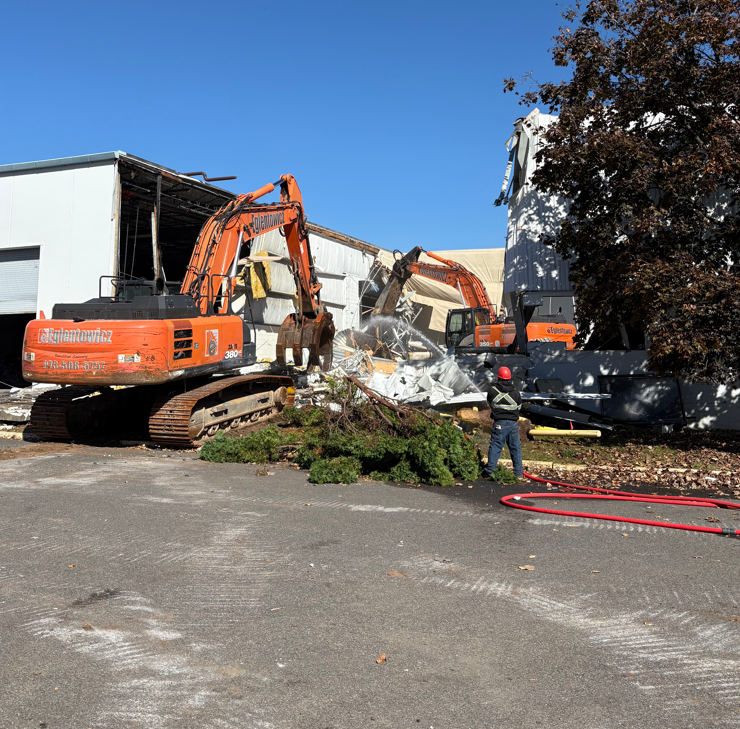
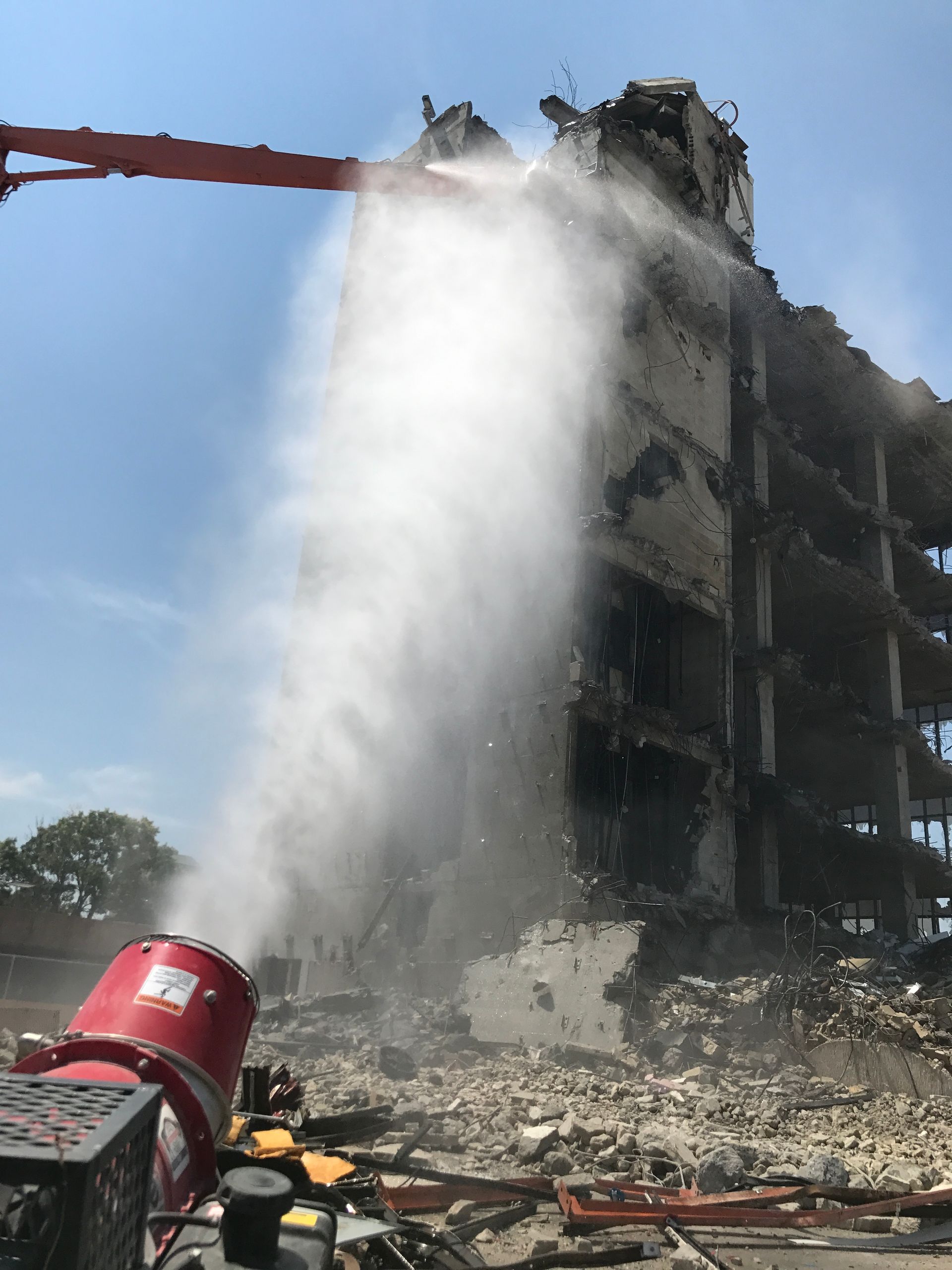
Crushing massive concrete slabs and dropping heavy structural walls generates dense clouds of particulate matter that threaten surrounding ambient air quality. Environmental engineering teams deploy specialized misting cannons that blast microscopic water droplets across active tear-down zones continuously. Water droplets bind directly with airborne concrete dust particles, forcing particulate debris down to the earth before winds transport dust offsite. Implementing continuous dust suppression measures during an industrial demolition operation protects neighboring communities from inhaling fine silica dust. Active particulate management maintains high visibility for heavy machinery operators while ensuring site emissions strictly adhere to municipal air quality standards.
Severing Load-Bearing Steel Structures Through Precision Torch Cutting
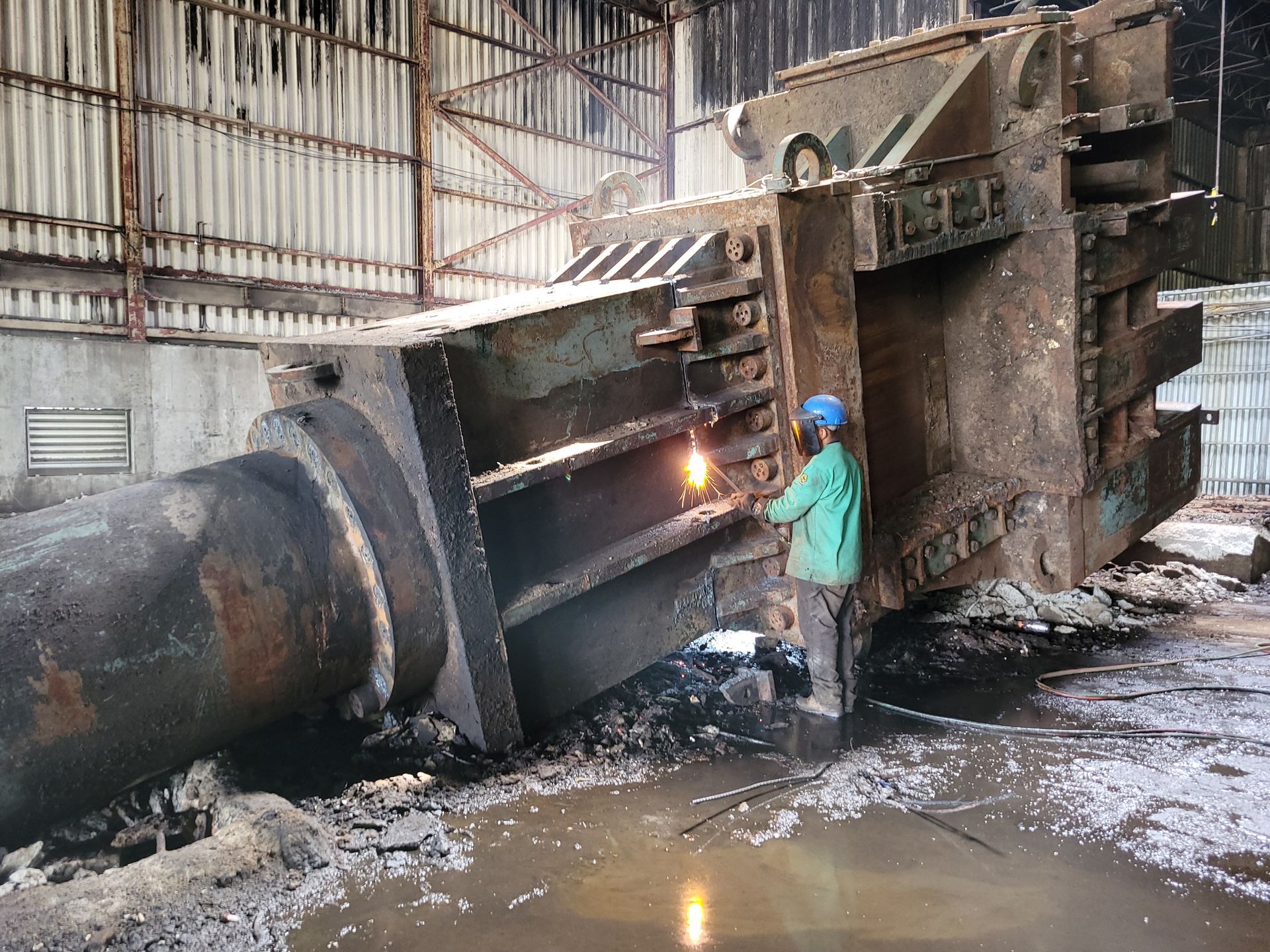
Manual steel dismantling demands exceptional craftsmanship from certified ironworkers trained to execute pre-weakening cuts on heavy structural framing. Burners use oxy-fuel torches to create strategic notches in steel beams, guiding the directional fall of massive components pulled by heavy winches. Coordinating torch work with mechanical pulling teams ensures structural elements detach cleanly without twisting unpredictably or trapping workers below. Executing precise cuts during an industrial demolition sequence requires deep knowledge of metallurgy, structural balance, and applied vector physics. Controlled torch cutting transforms rigid steel frameworks into flexible kinetic sequences, allowing massive structural assemblies to descend safely to ground level.
Processing Concrete Rubble Onsite With Mobile Crushing Equipment
Decommissioning massive industrial facilities generates thousands of tons of concrete rubble, brick masonry, and reinforced foundations that require immediate processing. Modern engineering plans incorporate heavy mobile crushing units that pulverize broken concrete into certified aggregate sizes directly on site. Separating steel rebar from crushed concrete using electromagnetic belt sorters creates clean recycled aggregate ready for immediate land backfilling. Streamlining concrete recycling within the boundaries of an industrial demolition project eliminates thousands of heavy truck trips across local road networks. Onsite material processing significantly lowers carbon emissions, reduces landfill tipping fees, and supplies valuable raw materials for future civil construction endeavors.
Mitigating Ground Vibration Hazards Through Seismographic Monitoring
Dropping heavy structural components creates intense ground vibrations that can crack adjacent utility lines or damage foundations of neighboring facilities. Geophysical engineers place omnidirectional seismographs around project perimeters to monitor real-time peak particle velocity readings during heavy impact events. Collecting vibration data allows engineers to alter mechanical drop heights, fragment sizes, or blast timing before ground shocks exceed safe thresholds. Managing seismic energy protects fragile underground gas mains, water lines, and sensitive digital infrastructure running near active work zones. Continuous vibration tracking confirms that high-energy teardown methods remain completely safe for surrounding municipal and commercial property assets.
Installing Debris Shielding Barriers Around Active Industrial Facilities
Many teardowns occur directly adjacent to active chemical lines, operational rail corridors, or busy public roadways that must remain open. Engineering teams erect heavy protective shielding, reinforced steel mesh curtains, and multi-story shipping container walls to contain falling debris. Constructing robust physical barriers prevents stray concrete fragments or severed steel elements from bouncing into operational utility corridors or public areas. Shielding sensitive boundaries allows surrounding commercial operations to continue operating without experiencing costly daily disruptions or safety shutdowns. Structural shielding represents a critical protective layer, ensuring high-risk physical teardowns occur safely right next to fully functional infrastructure.
Segregating Recyclable Scrap Metal Through Advanced Material Audits
Modern decommissioning projects serve as major resource recovery operations, reclaiming thousands of tons of valuable structural steel, copper, and brass. Materials engineers evaluate structural metals prior to tearing down facilities, categorizing alloys to maximize secondary market scrap values. Sorting ferrous and non-ferrous metals directly at active work faces prevents valuable recyclable resources from contaminating general construction debris streams. Reclaiming structural steel through methodical disassembly reduces global mining demand and energy consumption required for new primary steel production. Rigorous material segregation turns obsolete industrial ruins into valuable raw material streams, supporting sustainable circular economy goals across global manufacturing sectors.
Executing complex structural dismantling projects requires a sophisticated blend of structural engineering, environmental science, advanced machinery, and rigorous safety management. Moving from initial structural modeling and hazardous material remediation to precision explosive implosions and material recycling demands complete technical coordination at every stage. Employing advanced dust suppression, seismographic monitoring, and precision rigging ensures large-scale structural removals occur without endangering neighboring communities or active industrial operations. Modern decommissioning practices successfully balance rapid structural removal with sustainable resource recovery, reclaiming thousands of tons of steel for future global manufacturing needs. Prioritizing engineering precision transforms aging, hazardous industrial liabilities into clean, vibrant economic opportunities for future generations.
Are you seeking a professional demolition team in Kearny, NJ, and the surrounding areas? The team at Eglentowicz Demolition & Environmental Company is ready to take on your demolition challenges. Contact us today to request a project estimate and more.















Share On: