
How to Choose the Right Commercial Demolition Contractor for Complex Urban Projects
This article aims to guide individuals and businesses through the process of selecting a capable commercial demolition contractor specifically for complex urban projects. Understanding the nuances of this choice is critical to ensuring safety, efficiency, and project success. With urban environments becoming increasingly dense, the need for expertise in demolition projects has never been more crucial. Complex urban demolition projects present unique challenges that require specialized skills and knowledge. This guide will provide comprehensive insights into how to navigate these challenges and select a contractor that meets all necessary criteria.
Project Complexity
Urban demolition projects often involve a wide array of structural types that require specialized handling techniques. This includes considerations for buildings with historical significance or those constructed with different materials and methods. Contractors must be skilled in evaluating these complexities to ensure the preservation of surrounding structures and minimize disruption. Detailed site assessments are essential to developing a targeted demolition plan. Successful execution hinges on understanding the full scope and intricacies of the project.
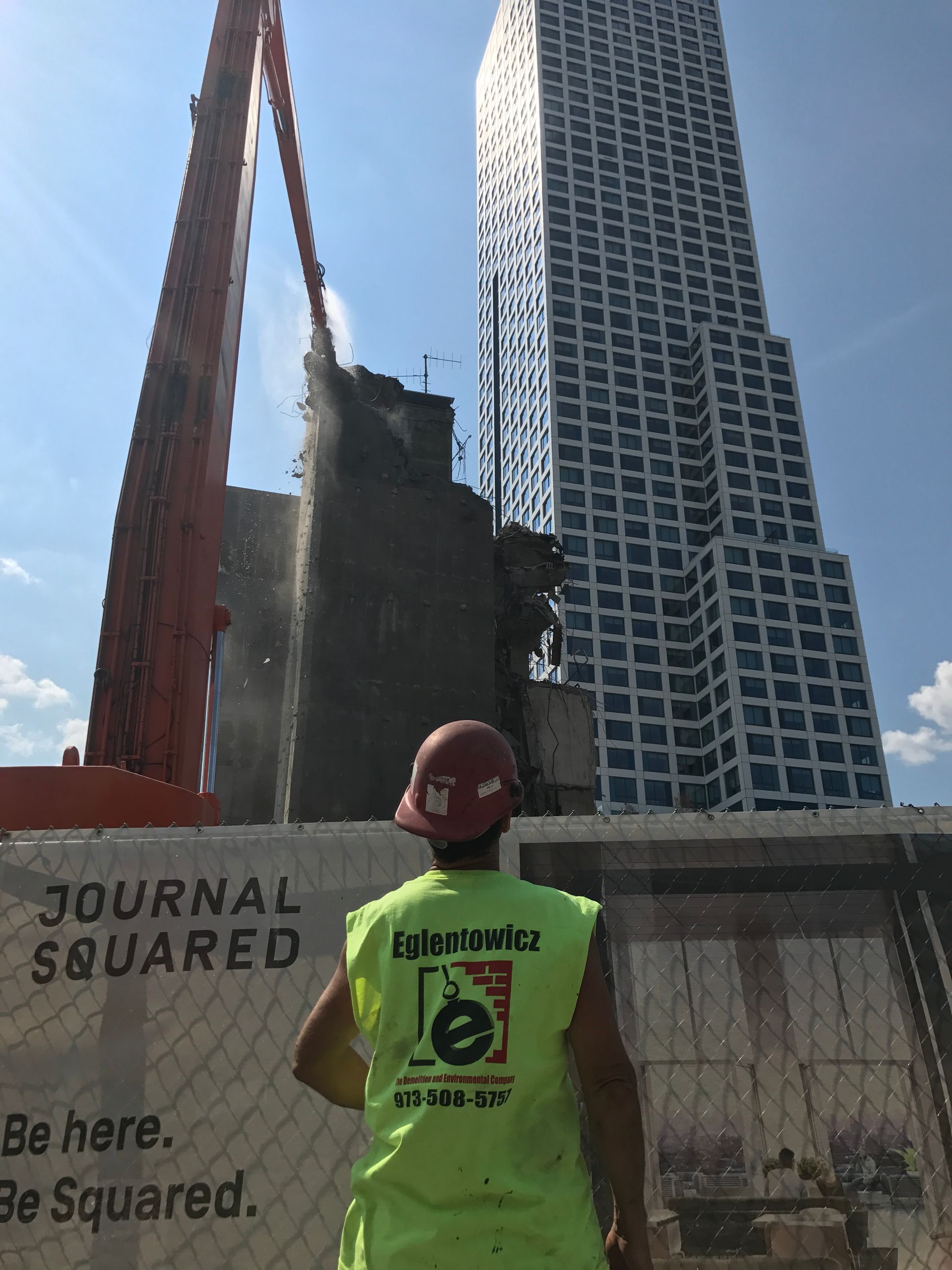
The complexities of urban demolition extend to the integration with existing infrastructure and community considerations. An experienced commercial demolition contractor will assess community impact, determining how noise, dust, and debris can be managed effectively. Urban environments often require creative solutions to navigate restricted spaces and customized equipment deployment. The contractor's adaptability in these settings plays a critical role in achieving project goals. A comprehensive understanding of the environment and its constraints is vital from the outset.
Historical preservation adds another layer of complexity, where sensitivity to historical landmarks and structures is essential. Working within the confines of preservation laws necessitates a nuanced understanding and strategic approach. Engagement with historical societies and regulatory bodies is often required. According to Market Research Future, the U.S. construction demolition market is projected to grow from $17.41 billion in 2025 to $29.7 billion by 2035, emphasizing the increasing demand for expertise in complex urban projects. Proper due diligence ensures that historical value is not compromised during demolition.
Impact of Surrounding Environment
The surrounding environment of a demolition project significantly influences the project's strategic planning. Urban settings usually involve multiple stakeholders, including local communities and businesses that might be impacted by the demolition processes. Expert contractors conduct detailed impact assessments to understand how neighboring structures might be affected by vibrations and debris. This analysis helps in formulating precise plans to mitigate risks such as structural damage and increased pollution. A strategic balance between project goals and environmental stewardship is needed to minimize adverse effects.
The contractor's ability to evaluate proximity to essential services such as hospitals, schools, and residential areas cannot be overstated. Closely situated structures may necessitate specialized demolition methods like deconstruction instead of implosion. Consideration of these factors impacts the scheduling, logistics, and methods of demolition in dense urban environments. A commercial demolition contractor with local knowledge and adaptability will be invaluable in addressing these issues. Planning must be comprehensive to ensure all environmental impacts are adequately addressed.
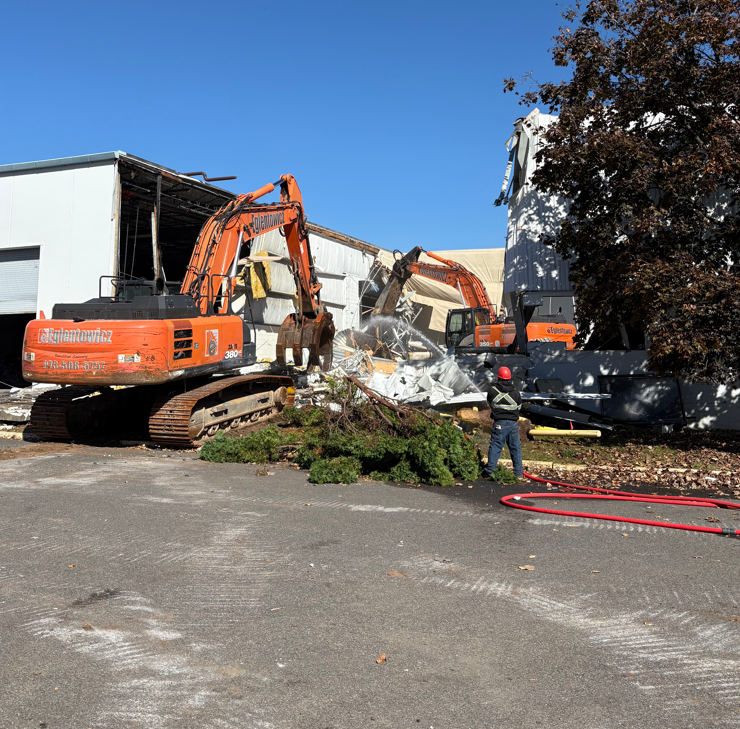
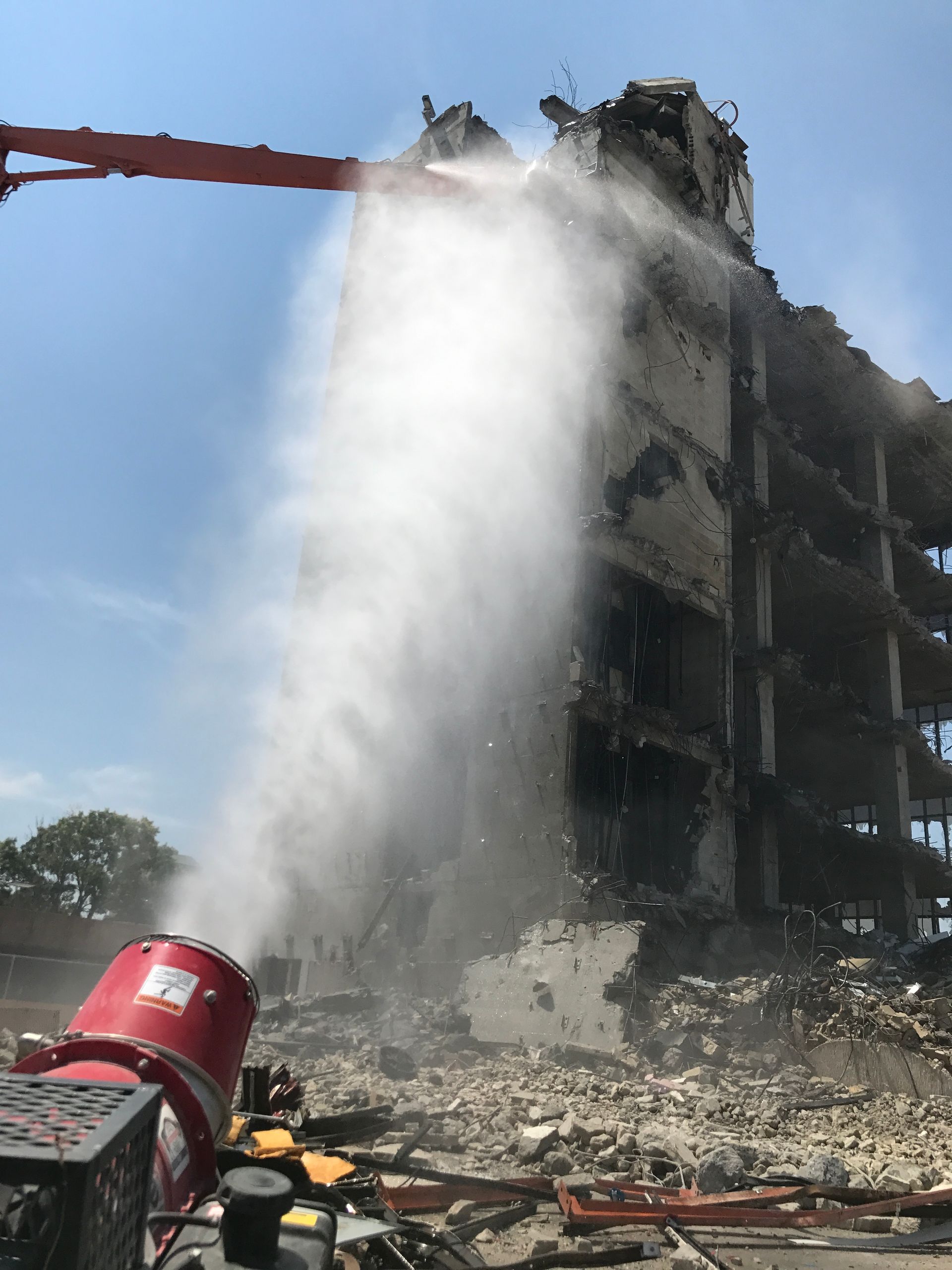
Consideration of ecological factors is equally important in urban demolition projects. Every project must account for pollution, wildlife, and other environmental regulations. Implementation of pollution control measures, such as dust suppression systems and noise barriers, can mitigate the impact on nearby communities. Contractors must balance operational efficiency with compliance with environmental regulations. These factors are vital in ensuring the long-term sustainability of urban environments.
Regulatory Considerations
Navigating zoning laws and securing demolition permits is one of the intricate processes involved in urban demolition projects. Each city or municipality will have specific codes and rules that govern how demolition projects should be carried out. A knowledgeable commercial demolition contractor will ensure all regulatory requirements are met before commencing any work. This includes engaging with local government authorities to secure necessary permits and adhering to any restrictions imposed on demolition activities. Compliance is critical to avoid potential legal complications and project delays.
Complex urban projects often involve multiple layers of regulatory compliance, requiring meticulous documentation and timely submissions to regulatory bodies. Having a contractor well-versed in regulatory processes ensures that all necessary safety, environmental, and zoning regulations are followed. This expertise can make a significant difference in project timelines and costs. Regular communication with regulatory bodies maintains transparency and ensures all actions align with existing laws. Efficient management of these processes reflects positively on both the project and contractor.
Demolition contractors must stay updated with changes in regulations and building codes, which can have profound impacts on demolition methodologies and timelines. Continuous education and thorough understanding of national and local regulations are essential components of a contractor's responsibilities. Contractors must demonstrate exceptional diligence in both preparatory and execution stages to comply with these legal stipulations. Demonstrated expertise in regulatory compliance adds an extra layer of trust and reliability for project stakeholders. Adherence to regulations ensures a lawful and efficient demolition process.
Environmental Concerns
Environmental concerns are at the forefront of urban demolition projects, requiring strategic planning and decision-making to balance development with sustainability. Pollution control measures are critical to safeguard air quality, water bodies, and surrounding ecosystems. Contractors need to implement effective waste management systems to ensure the proper disposal and recycling of construction debris. Selection of contractors with a proven track record in environmental stewardship can significantly reduce the project's carbon footprint. Emphasizing sustainability during the demolition process protects ecological interests.
With rising awareness about environmental impacts, selecting a contractor with eco-friendly practices offers tangible benefits, including improved community relations and regulatory compliance. Innovative recycling and resource recovery practices are increasingly becoming integral parts of urban demolition strategies. Established procedures for managing hazardous materials like asbestos and PCBs demonstrate a contractor's commitment to health and safety. Contractors who prioritize green practices contribute to sustainable urban redevelopment efforts. Such projects can set standards for future demolition activities.
Managing debris and waste efficiently is essential to reduce landfill use and practice resource conservation. Contractors equipped with advanced technology for waste segregation and recycling can contribute significantly to reducing environmental pollution. Furthermore, eco-friendly project planning aligns well with global sustainability goals. The integration of sustainable practices into the everyday operations of demolition contractors reflects a commitment to responsible construction and demolition practices. As such, contractors need to invest in developing and implementing robust environmental management plans.
Budget Constraints
Budget constraints are common in urban demolition projects, requiring meticulous planning and financial management to ensure that cost does not supersede safety and quality. Contractors need to provide accurate and detailed cost estimations to aid stakeholders in budget planning and allocations. A good commercial demolition contractor will even present multiple revised cost scenarios to account for potential changes and unexpected developments. These considerations are essential in preventing cost overruns and ensuring project feasibility.
Efficient contract negotiation can lead to significant cost savings, especially when flexible payment models or incentive-based pricing are involved. Contractors should present unit cost analyses, identifying cost-saving opportunities without sacrificing key project goals. By identifying areas for cost reduction, a contractor can enhance the project's financial health, attracting favorable stakeholder engagement. However, contractors should refrain from reducing the quality or safety measures to meet budget benchmarks, as these cuts may result in larger financial liabilities in the long run.
Selecting the right commercial demolition contractor is vital for navigating the structural, regulatory, and environmental hurdles of dense urban projects. By prioritizing proven safety records, local compliance expertise, sustainable waste management, and transparent budgeting, you protect surrounding communities while ensuring your complex teardown stays on schedule, on budget, and fully compliant. For a commercial demolition contractor, call Eglentowicz Demolition & Environmental Company today.










Share On: