
Getting the Most out of Destroyed Buildings
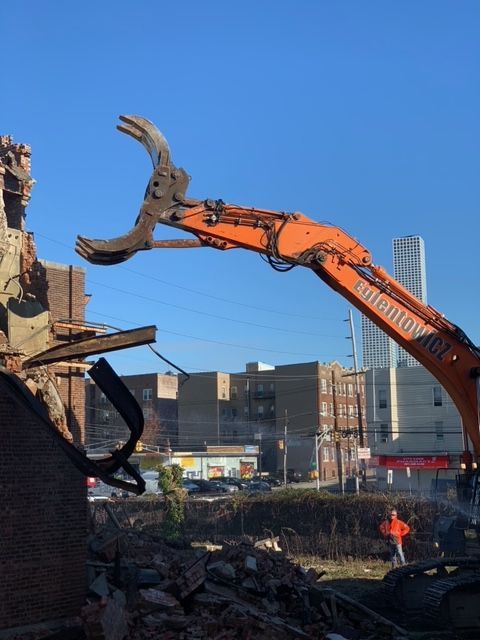
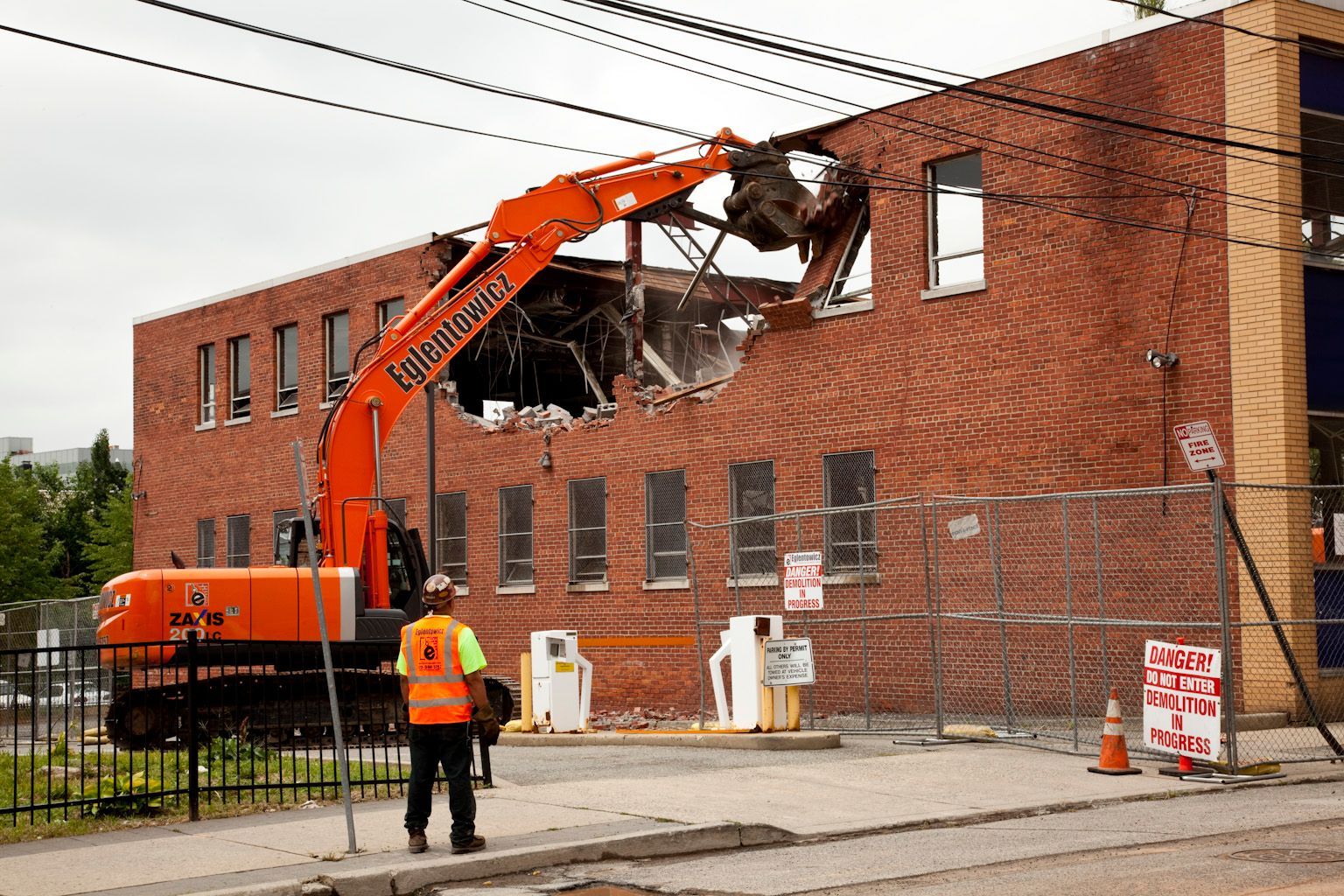
In a world where urban landscapes are constantly evolving, structures are frequently removed to accommodate modern developments or due to natural and man-made disasters. Even in destruction, these sites maintain substantial functional and economic value. Transforming these locations from liabilities into valuable community assets fosters long-term sustainability, neighborhood renewal, and economic growth. Partnering with a skilled industrial demolition contractor ensures that strategic resource recovery and complex site clearing occur safely and efficiently. By reimagining the potential of degraded structures, progressive communities can achieve lasting ecological balance while optimizing valuable land usage for future generations.
Modern site clearing strategies prioritize material preservation and environmental responsibility over immediate destruction. When stakeholders prioritize methodical deconstruction, they unlock vast reserves of usable materials that would otherwise burden regional landfills. This approach drastically lowers the overall carbon footprint associated with new building projects, establishing an eco-friendly foundation for future urban planning initiatives. Proper planning also reduces the reliance on virgin raw materials, curbing the environmental degradation tied to intensive mining, logging, and heavy manufacturing processes. As sustainable urban planning continues to gain momentum, deconstruction serves as a critical bridge between environmental management and architectural advancement.
1. Assessing Structural Remains
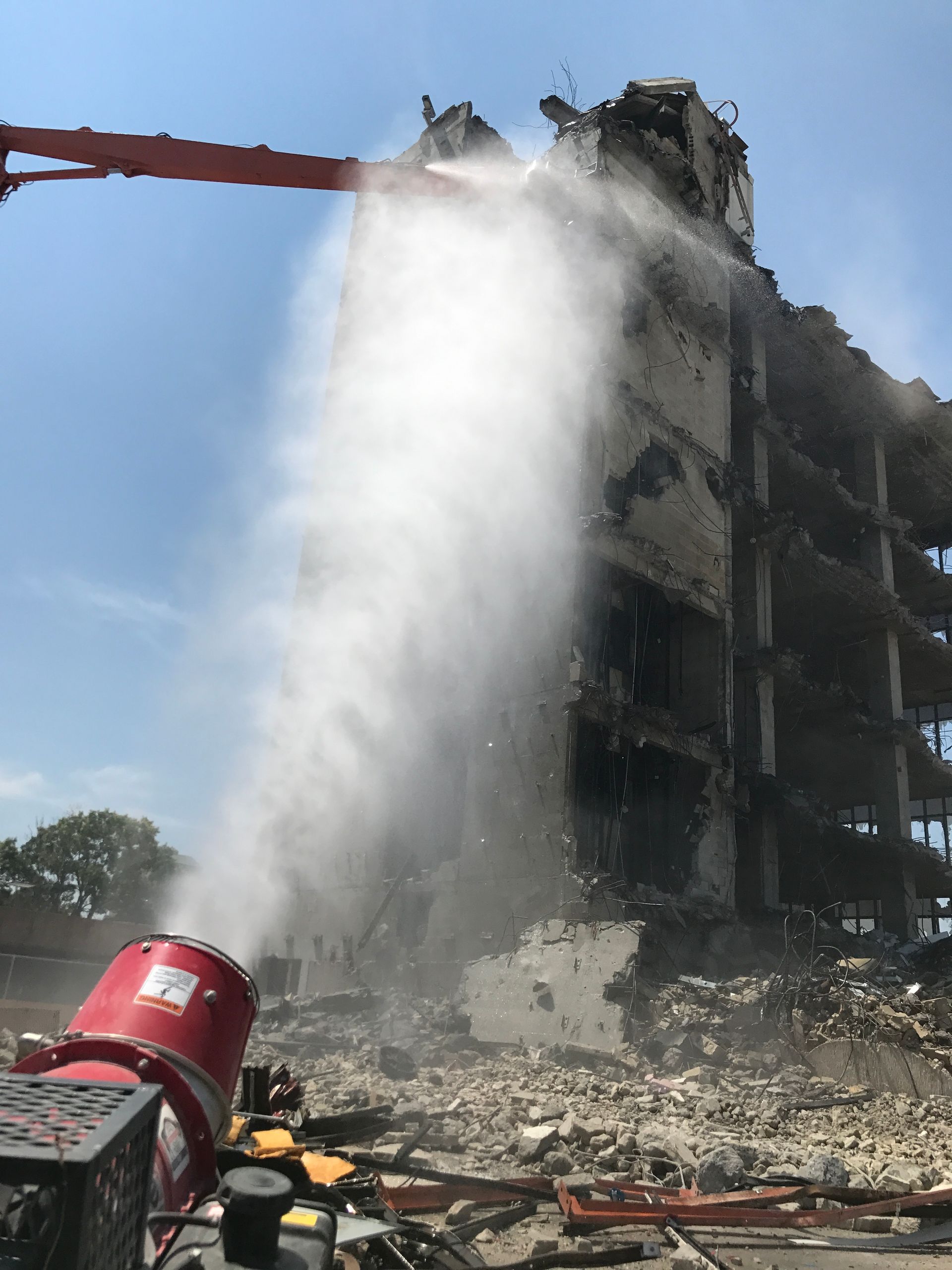
After a site is cleared, qualified safety inspectors evaluate structural integrity and environmental safety. Occupational hazards such as asbestos, lead, and airborne contaminants require immediate identification to protect future visitors and site workers. Transparent documentation during initial surveys establishes a baseline for subsequent remediation steps, building public trust and satisfying regulatory compliance.
Identifying reusable components is a critical phase of site assessment. Structural steel beams, concrete, and undamaged bricks are routinely salvaged to lower material costs for future builds. According to Resource Central, 200,000 to 300,000 buildings are demolished each year, making systematic material recovery vital for reducing landfill volume and supporting a circular construction economy.
Evaluating historical and economic value determines whether adaptive reuse or complete clearing is optimal. Preserving culturally significant elements offers educational and architectural benefits to the surrounding neighborhood. Concurrently, calculating remediation expenses alongside market trends helps an industrial demolition contractor formulate financially viable site redevelopment strategies that serve surrounding businesses and residents effectively. Thorough feasibility studies ultimately prevent costly delays and ensure that capital is allocated efficiently throughout every phase of site preparation.
2. Salvaging and Reselling Materials
Extracting high-value materials requires systematic inventory management and technical expertise. Items such as old-growth timber, decorative fixtures, and specialty stonework hold significant market demand. Professional salvage teams systematically catalog these components to ensure maximum financial recovery and preservation during extraction operations, safeguarding delicate materials from crushing or fracturing during extraction.
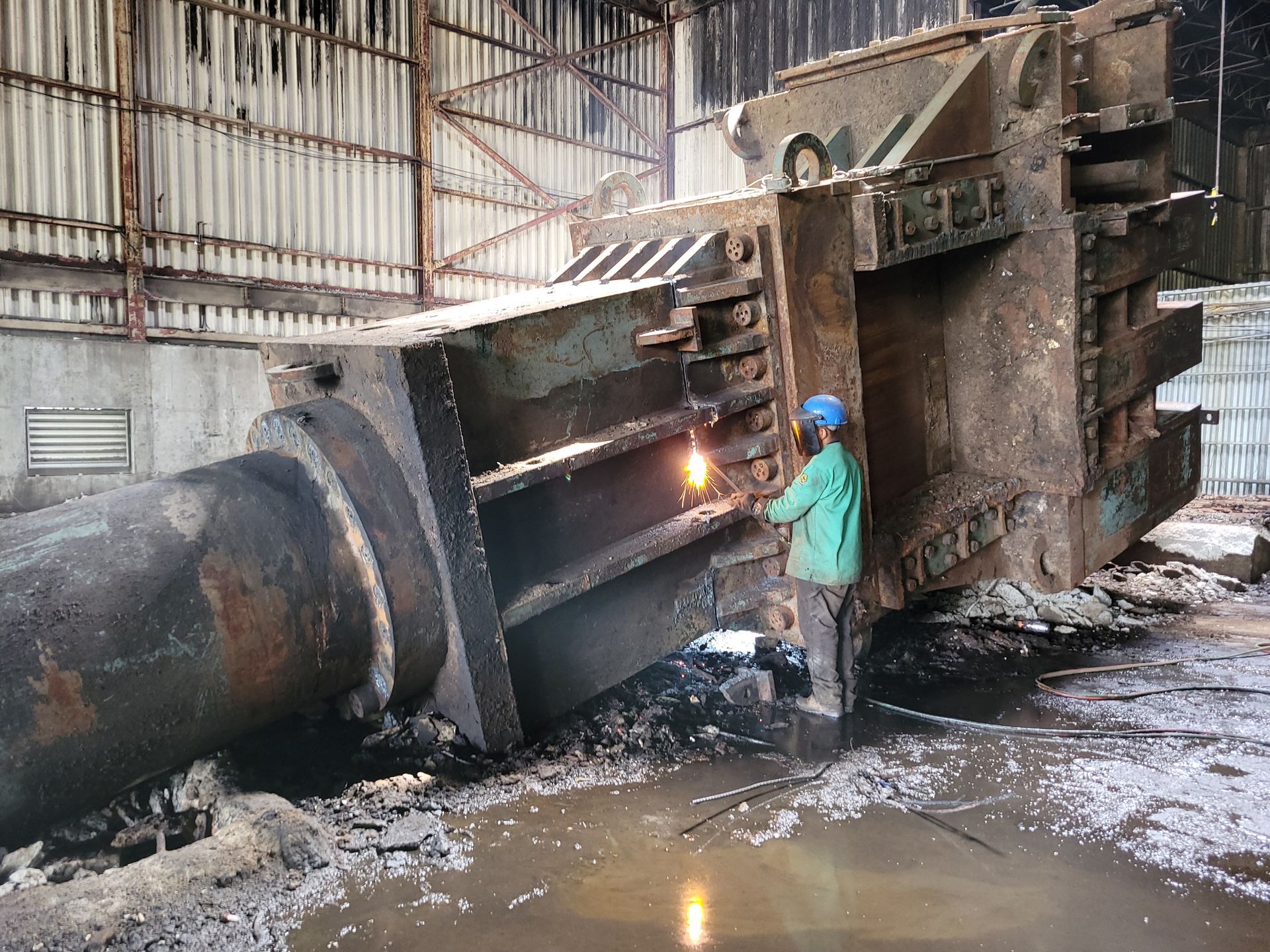
Executing safe dismantling techniques reduces operational hazards and protects material integrity. Utilizing selective deconstruction instead of full mechanical crushing allows for cleaner material separation. Detailed pre-demolition audits inform workers of load-bearing risks, ensuring regulatory compliance while optimizing yield outputs for secondary markets, which significantly boosts project profit margins and guarantees higher resale values for reclaimed stock.
Establishing digital and local distribution channels simplifies the resale of recovered resources. Reclaimed construction supplies are increasingly sourced by architects aiming to meet modern environmental standards. Navigating local building codes, environmental liabilities, and permit requirements remains essential when reintroducing salvaged items into active supply chains, protecting all participating developers and suppliers from regulatory penalties. These combined efforts establish a dependable supply of vintage and high-grade structural supplies for nearby development markets, reinforcing localized circular economies and lowering transport overhead.
3. Cleaning Up and Restoring Environments
Remediating environmental pollutants is essential for returning impacted sites to safe public use. Contaminants such as heavy metals, volatile organic compounds, and hazardous chemical residues are safely removed using specialized equipment. Comprehensive soil and groundwater testing verifies that chemical thresholds comply with safety standards prior to construction.
Land rehabilitation techniques focus on restoring ecological function to denuded soil. Practices such as hydroseeding, erosion control, and reintroducing native plant species stabilize subsoil integrity. Engaging an experienced industrial demolition contractor simplifies site remediation, clearing the way for functional land transformation and safeguarding local groundwater systems from runoff contamination. Advanced bio-remediation methods can also be integrated to naturally neutralize remaining subsoil toxicity.
Converting reclaimed spaces into urban parks, community gardens, or commercial developments improves localized air quality and property values. Collaborating with state and federal environmental agencies ensures that site cleanup methodologies align with long-term ecological goals and urban planning initiatives, creating attractive spaces for future commercial or recreational investments. Over time, these restored spaces help mitigate the urban heat island effect while expanding accessible green infrastructure and protecting localized biodiversity.
4. Planning Community-Driven Redevelopments
Engaging residents during the planning phase yields projects that address genuine neighborhood needs. Public forums allow community members to contribute ideas regarding green space allocation, affordable housing, or commercial zoning. Transparent communication aligns municipal goals with private development investments, building a shared sense of ownership among residents. Furthermore, early public involvement reduces friction during municipal approval phases, accelerating timeline execution and streamlining permit issuance for complex commercial builds.
Integrating public-private partnerships secures alternate funding streams for expansive urban renewal initiatives. Municipalities often provide tax incentives for developers who commit to sustainable deconstruction and adaptive site usage. These collaborative frameworks reduce financial risks while revitalizing blighted commercial corridors and driving foot traffic to surrounding businesses. This synergy between investors and civic leaders fosters economic resilience across entire commercial zones, unlocking multi-generational economic prosperity for residents.
Long-term municipal benefits emerge when community input directly guides site repurposing. By matching structural potential with civic priorities, developers create versatile facilities such as recreation centers or incubators for small businesses. A clear alignment between developer execution and neighborhood vision builds lasting trust across all public stakeholders while inspiring surrounding business owners to invest in site upgrades. This collaborative model transforms historically neglected properties into vibrant centers of local civic life.
5. Incorporating Sustainable Urban Innovations
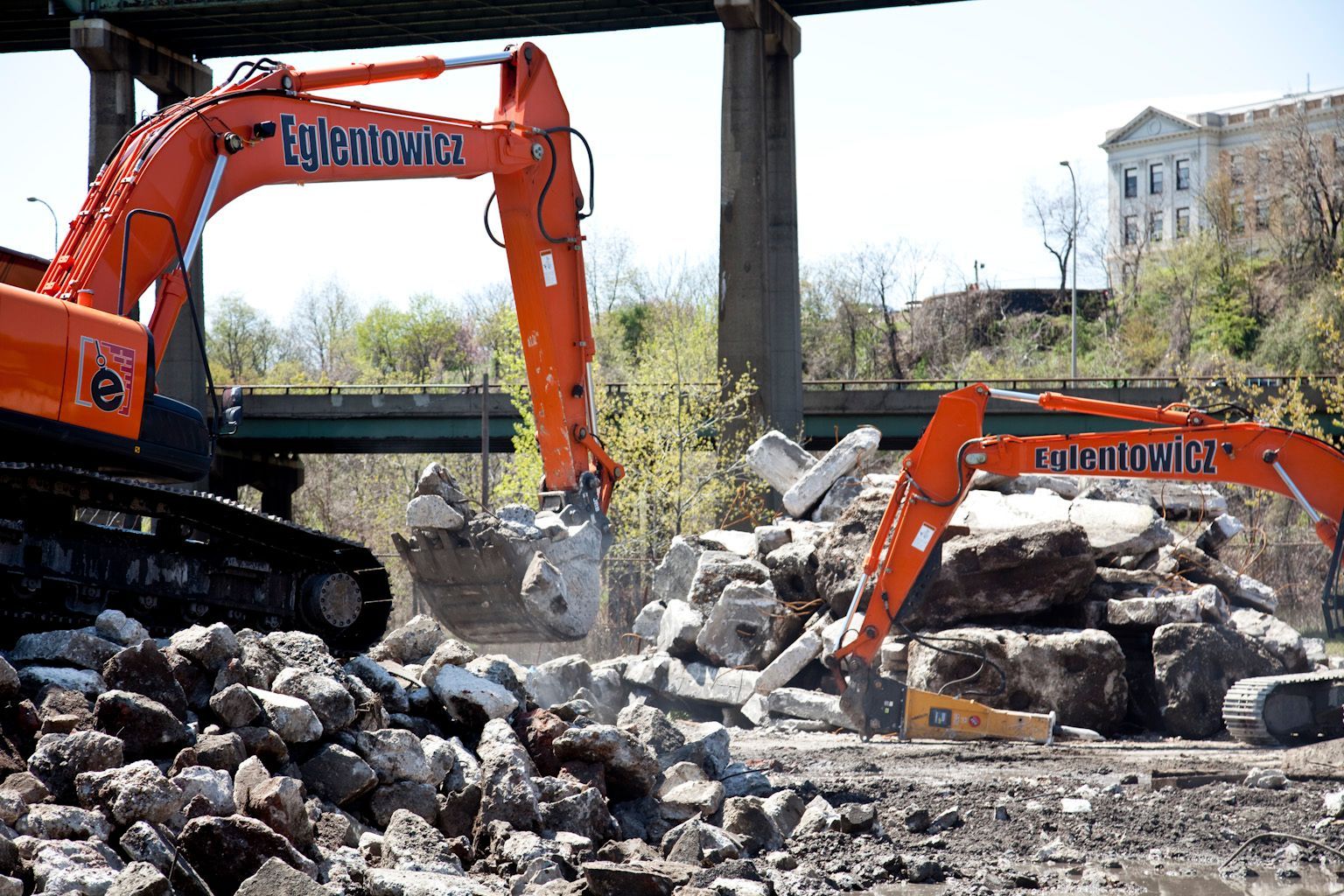
Implementing modern engineering practices ensures that new builds incorporate energy-efficient designs and recycled building products. Utilizing crushed concrete as aggregate for new foundations significantly cuts carbon emissions associated with raw material processing and transport logistics, offering clear environmental advantages over traditional disposal methods. Modern recycling rigs allow contractors to crush masonry directly on-site, dramatically lowering fuel consumption.
Adopting long-term monitoring programs ensures that redeveloped sites maintain structural and environmental integrity over time. Smart infrastructure, sustainable drainage systems, and green building certifications enhance the long-term utility of converted properties. These forward-thinking solutions protect public health while lowering ongoing operational expenditures for building owners and municipal authorities alike. Continuous environmental monitoring further guarantees that subsoil conditions remain fully stable across decades of shifting weather patterns.
Emerging technology plays a significant role in tracking material lifecycles and building performance post-redevelopment. Working with a forward-thinking industrial demolition contractor ensures that structural materials are logged and repurposed according to strict modern environmental frameworks. Embracing these advanced practices guarantees that urban growth remains resilient, cost-effective, and ecologically sound for generations to come, establishing new standards for sustainable civil engineering and modern urban architecture.
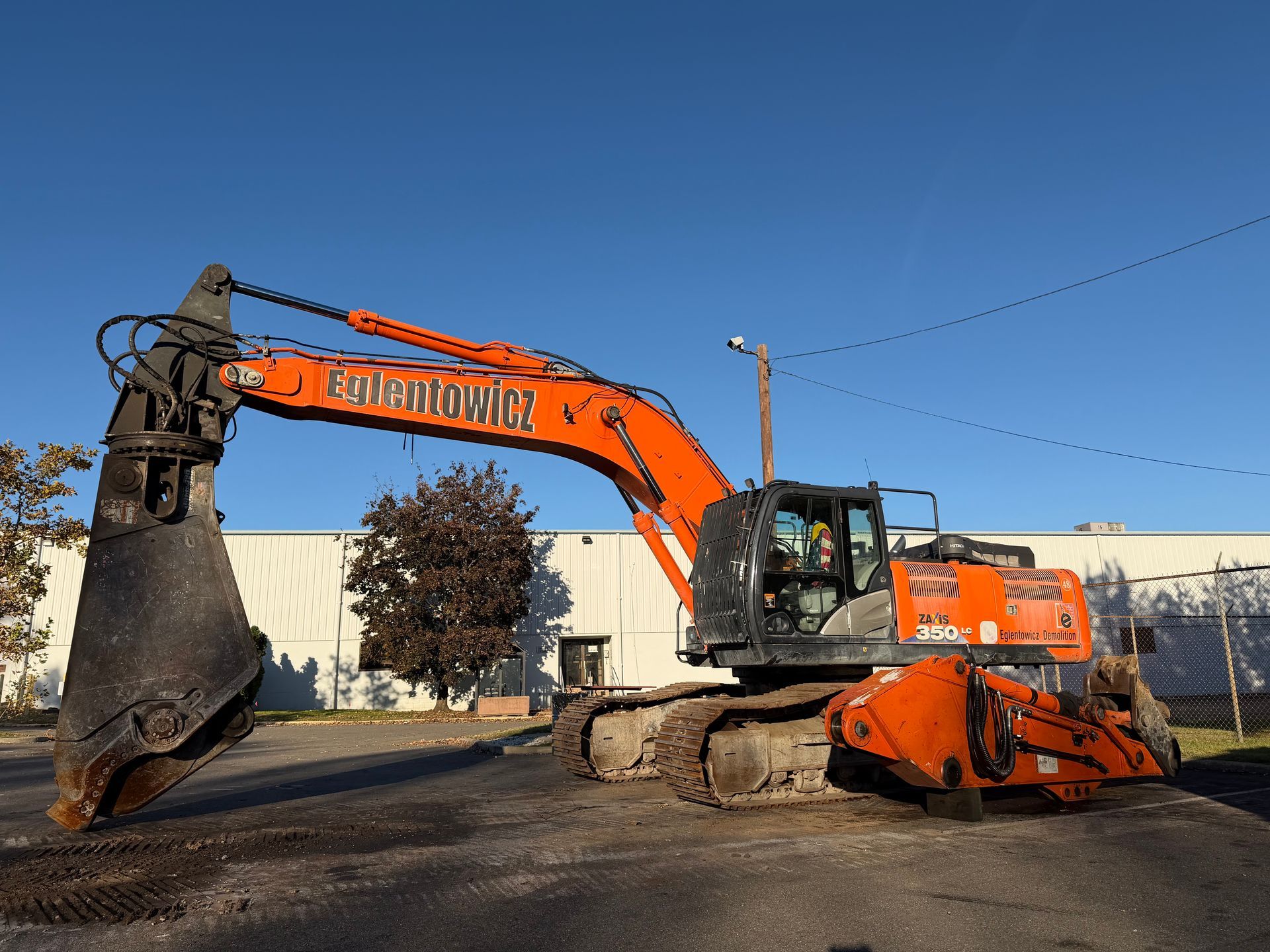
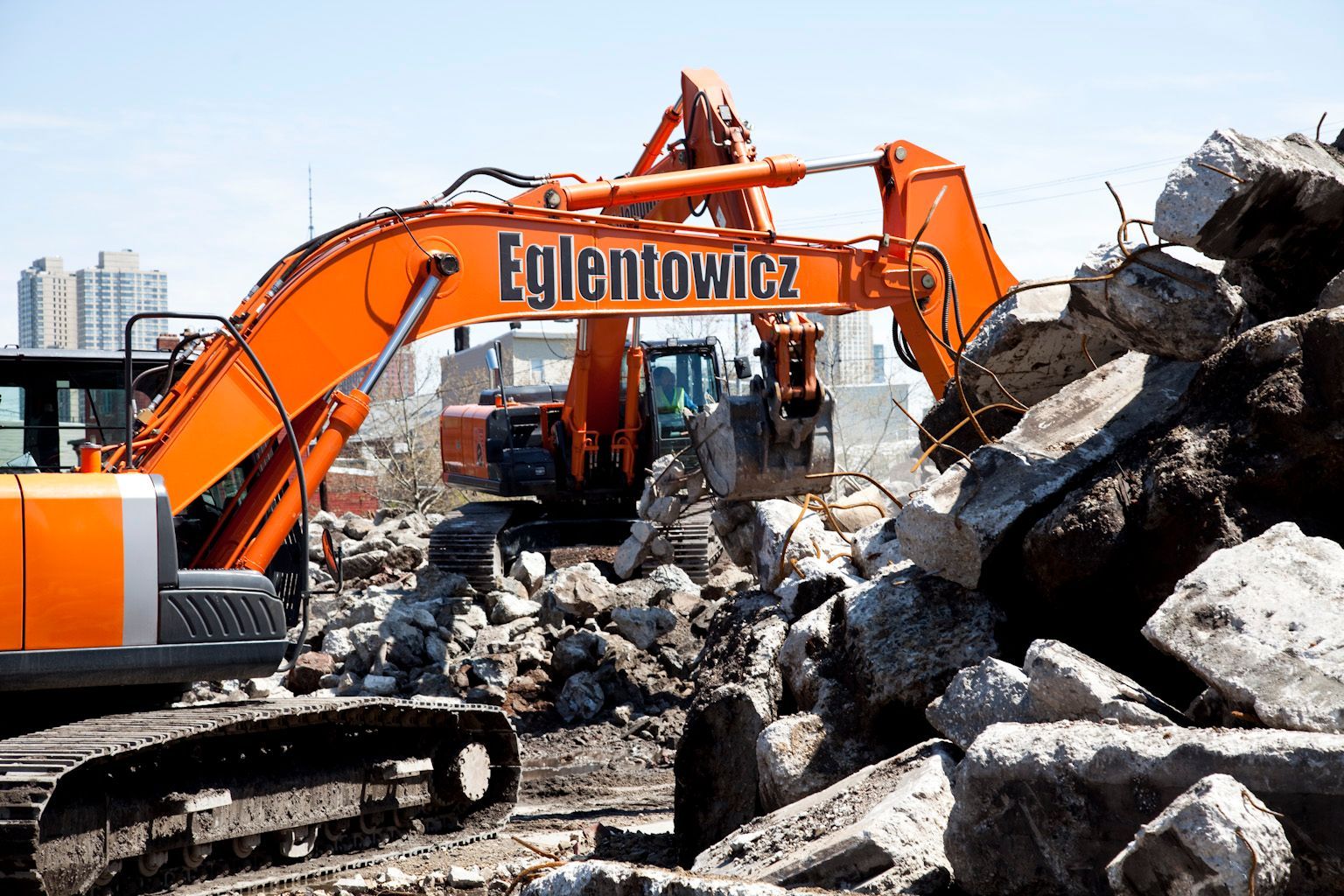
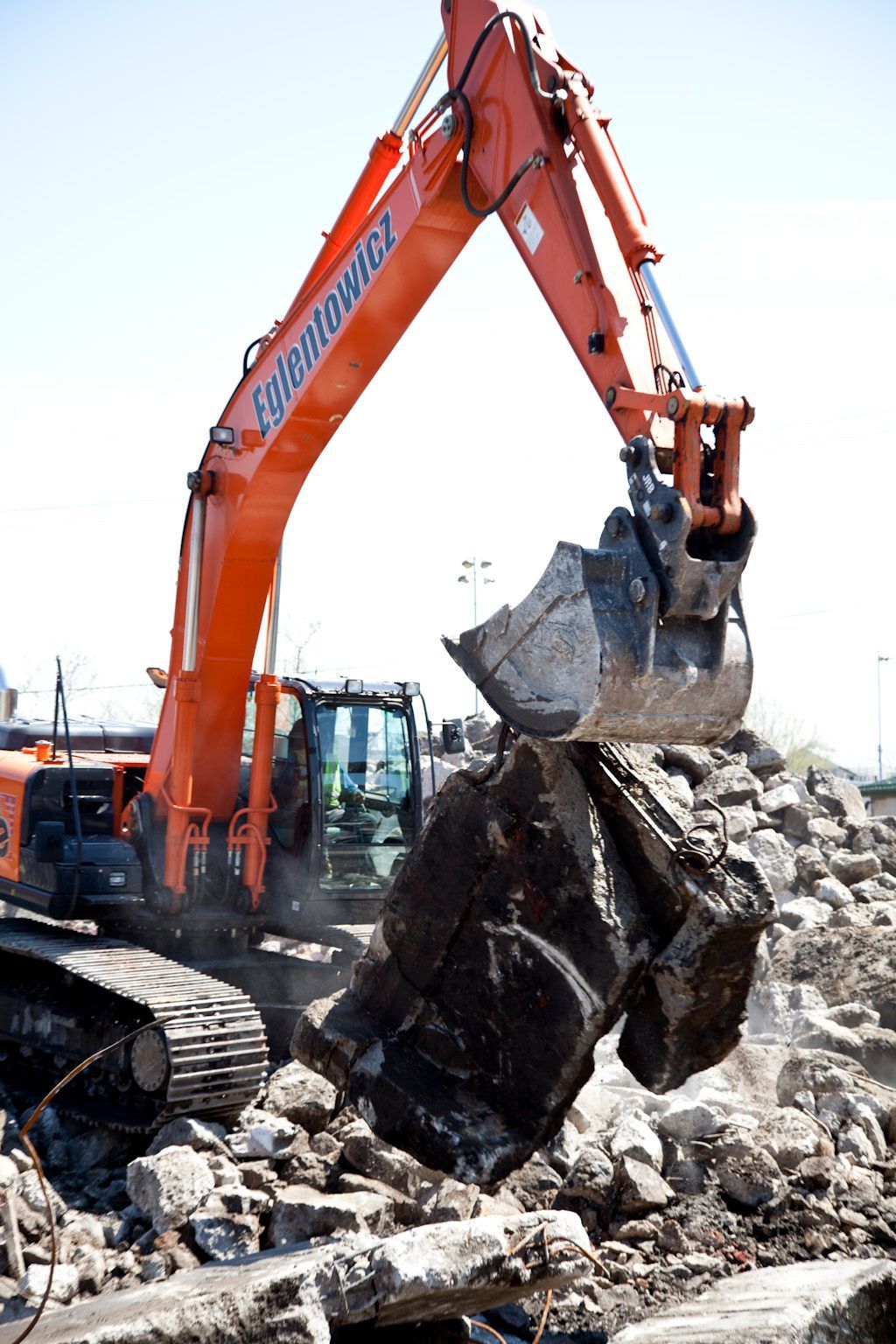
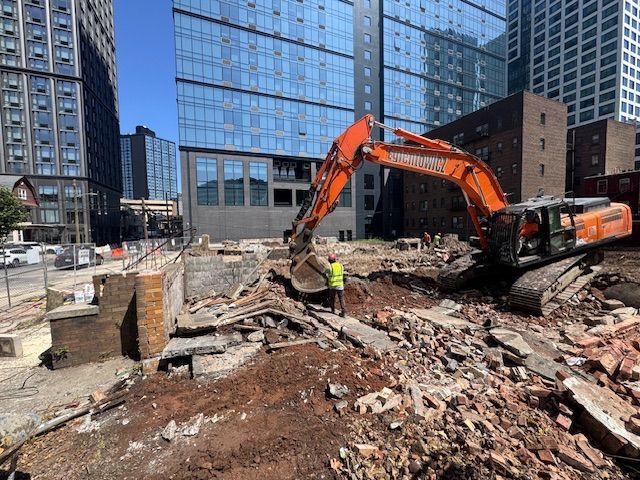
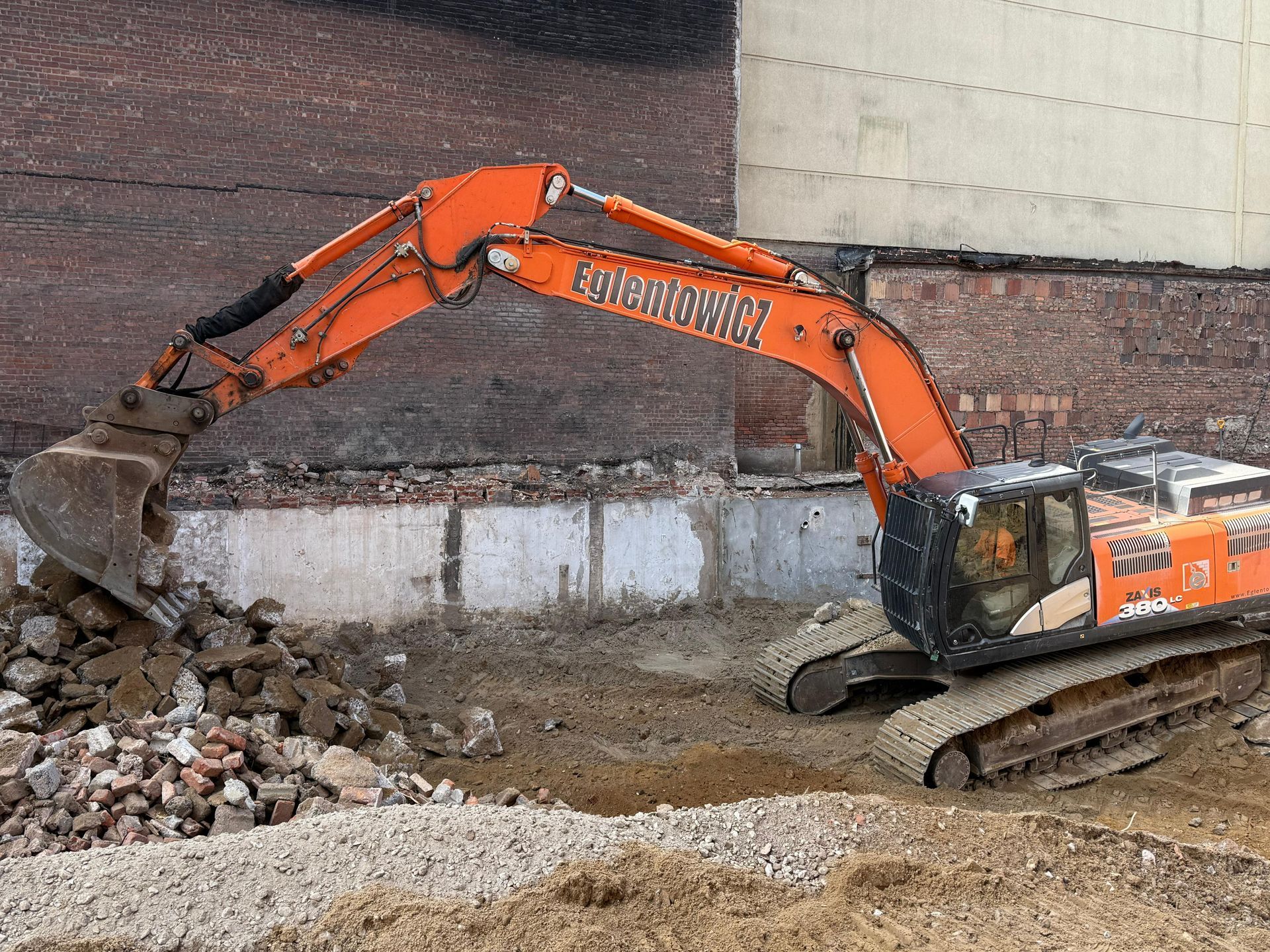
Maximizing the value of deconstructed properties requires technical foresight, rigorous safety standards, and sustainable resource management. Partnering with a trusted industrial demolition contractor ensures that material salvage, environmental cleanup, and site preparation meet high industry standards. For more information about the services that we offer, reach out to our incredible team at Eglentowicz Demolition & Environmental Company today!











Share On: