
Questions to Answer Before Requesting a Commercial Demolition Estimate
Before requesting a commercial demolition estimate, property owners and project managers need to understand the scope, requirements, and potential costs involved. Demolition projects can involve permitting, safety regulations, environmental considerations, site limitations, and post-demolition planning. Answering important questions in advance helps contractors create more accurate estimates and gives property owners a clearer understanding of what to expect. Working with an experienced local commercial demolition company can also help identify potential challenges before work begins and keep the project moving efficiently.
Understanding the Project Scope
Define the Project Parameters
Start by determining exactly what needs to be demolished and what the project should accomplish. Identify the specific building, structure, or portions of a property involved and establish the desired outcome. Clear project parameters help contractors determine the labor, equipment, and planning required while making it easier to develop an accurate estimate.
Identify the Demolition Method
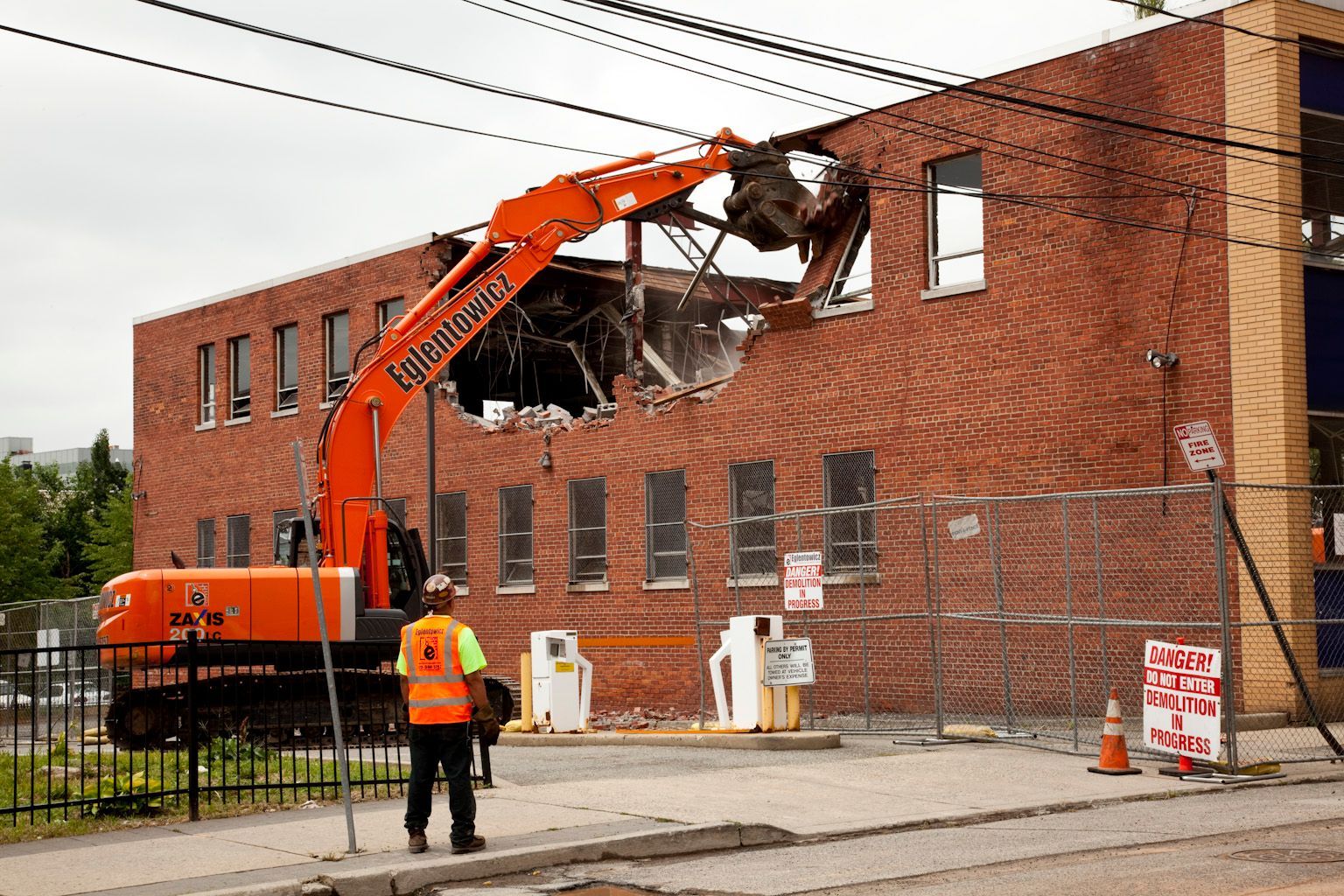
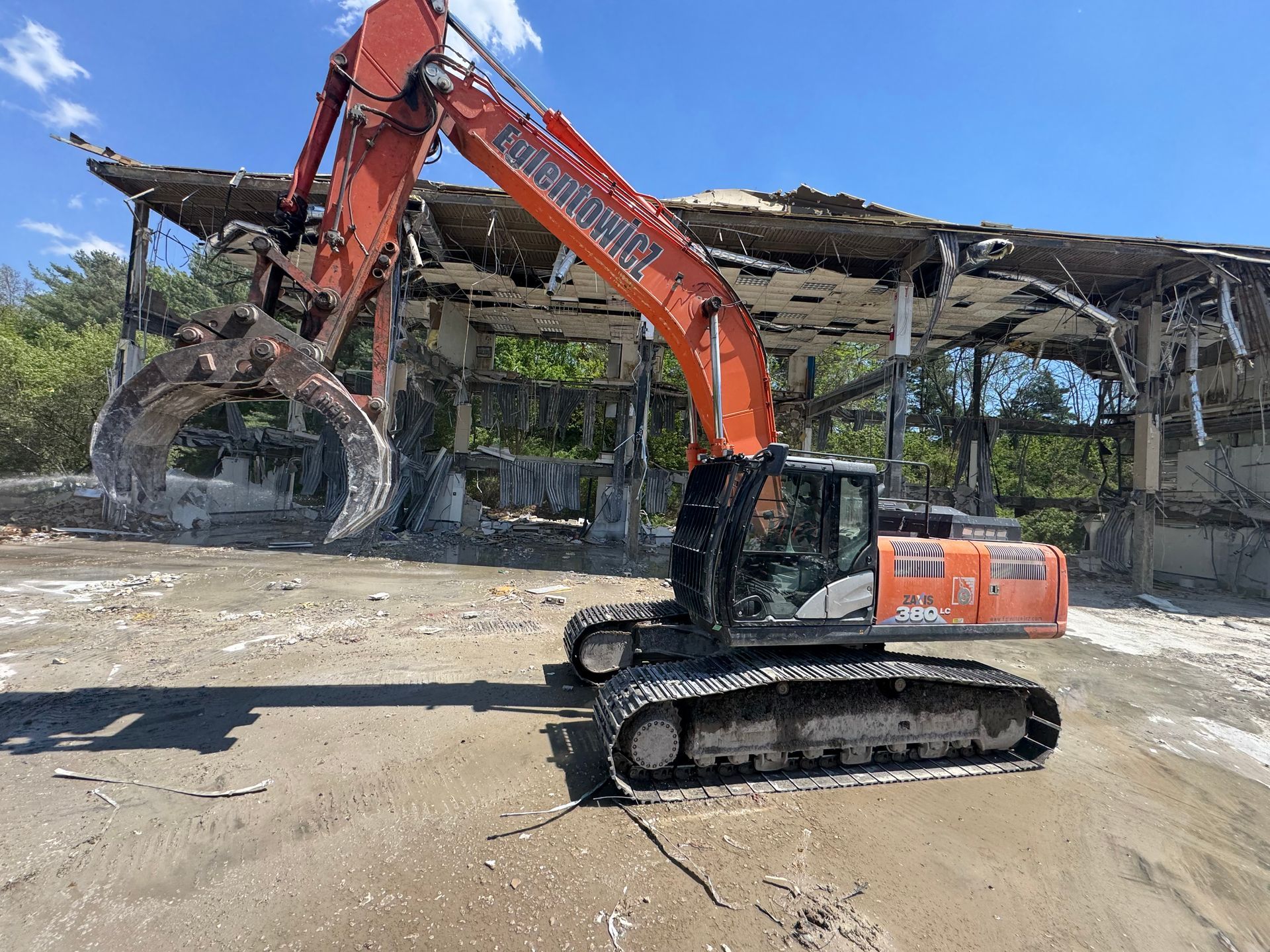
Different structures require different demolition approaches. Some projects involve complete demolition, while others require selective demolition that preserves certain portions of a building. The structure's materials, size, location, and proximity to neighboring properties can influence the appropriate method.
Discussing these factors with a local commercial demolition company helps establish realistic expectations for equipment, project duration, debris removal, and costs.
Evaluate Site Accessibility
Access roads, neighboring structures, property boundaries, overhead utilities, and available equipment space can all affect demolition planning. Difficult site conditions may require specialized equipment or additional preparation.
Providing detailed information about the property allows contractors to identify potential challenges early and account for them when developing the estimate.
Reviewing Legal and Regulatory Requirements
Confirm Zoning and Permit Requirements
Commercial demolition projects must comply with applicable local requirements. Depending on the location and scope of the project, permits or approvals may be required before work begins. Property owners should determine which requirements apply and address them as early as possible.
Discussing permitting with the contractor can help prevent unnecessary delays and ensure that the proposed work accounts for required approvals.
Review Safety Requirements
Demolition involves heavy equipment, structural materials, debris, and other potential hazards. Contractors must follow applicable safety requirements and establish procedures for protecting workers, nearby properties, and the public.
When evaluating a local commercial demolition company, ask about its safety practices and approach to managing risks. A clear safety plan is an important part of responsible demolition work.
Identify Environmental Requirements
Environmental considerations should also be addressed before an estimate is requested. Older or damaged structures may contain materials that require specialized handling, removal, or disposal. Depending on the property, environmental assessments may be necessary before demolition begins.
Identifying these concerns early gives contractors an opportunity to account for appropriate procedures and disposal requirements in the project estimate.
Planning the Project Budget
Establish the Expected Costs
A demolition budget should include more than the cost of removing the structure. Labor, equipment, permits, debris removal, transportation, environmental requirements, and site preparation may all contribute to the final cost.
The U.S. construction demolition industry represents a significant market. According to Market Research Future, the U.S. construction demolition market was valued at $16.5 billion in 2024. With substantial activity across the industry, careful financial planning remains important for commercial property owners preparing for demolition.
Prepare for Unexpected Expenses
Even well-planned projects can encounter unexpected conditions. Hidden materials, difficult access, weather, changes in project requirements, or additional disposal needs may affect costs. Building some flexibility into the budget can help property owners respond to these situations.
A local commercial demolition company can also help identify potential cost factors before the estimate is finalized. Ask which circumstances could result in changes to the original estimate.
Consider Future Site Costs
Demolition is often the first step in a larger redevelopment project. Property owners should consider expenses that may follow demolition, including site clearing, grading, restoration, utility work, or preparation for new construction.
Understanding the property's future use can help determine the appropriate demolition scope and ensure the work supports the next stage of development.
Selecting the Right Demolition Contractor
Verify Contractor Credentials
Choose a contractor with the experience, qualifications, equipment, and resources needed for the project. Review experience with similar commercial structures and projects of comparable size or complexity.
Experience can provide valuable insight into how a contractor handles planning, site preparation, safety, debris removal, and regulatory requirements. It can also help property owners feel more confident about the project's execution.
Review Insurance and Liability Coverage
Insurance is an important consideration when comparing demolition contractors. Commercial demolition can involve significant equipment and property risks, making adequate coverage essential. Ask potential contractors about their insurance and what protections are included.
Understanding liability before signing an agreement can help clarify responsibility for accidental property damage, injuries, or other unexpected situations.
Evaluate Communication and Planning
Clear communication can make the demolition process easier to manage. Consider how thoroughly the contractor answers questions, explains the proposed work, and communicates potential challenges.
A local commercial demolition company may also offer familiarity with local conditions, permitting processes, and project logistics. Good communication from the beginning helps keep expectations aligned throughout the project.
Building the Project Schedule
Establish a Realistic Timeline
The demolition timeline may include more than the physical removal of the structure. Pre-demolition inspections, permits, site preparation, equipment delivery, demolition, debris removal, and cleanup can all affect the schedule.
Ask the contractor how each phase will fit into the expected timeline. A realistic schedule can help property owners coordinate demolition with other construction, redevelopment, or business activities.
Plan for Potential Delays
Weather, permitting issues, site conditions, equipment availability, and unexpected structural concerns may affect the project schedule. Discussing these possibilities before work begins allows property owners to establish reasonable expectations.
It is also helpful to understand how schedule changes will be communicated and handled if unexpected conditions arise.
Coordinate With Nearby Activities
Commercial properties may be located near businesses, roads, occupied buildings, or other construction projects. Demolition planning should account for factors such as noise, traffic, access, and scheduling.
Coordinating these details in advance can minimize disruptions and help determine appropriate work hours and equipment.
Planning for Post-Demolition Needs
Determine Debris Management
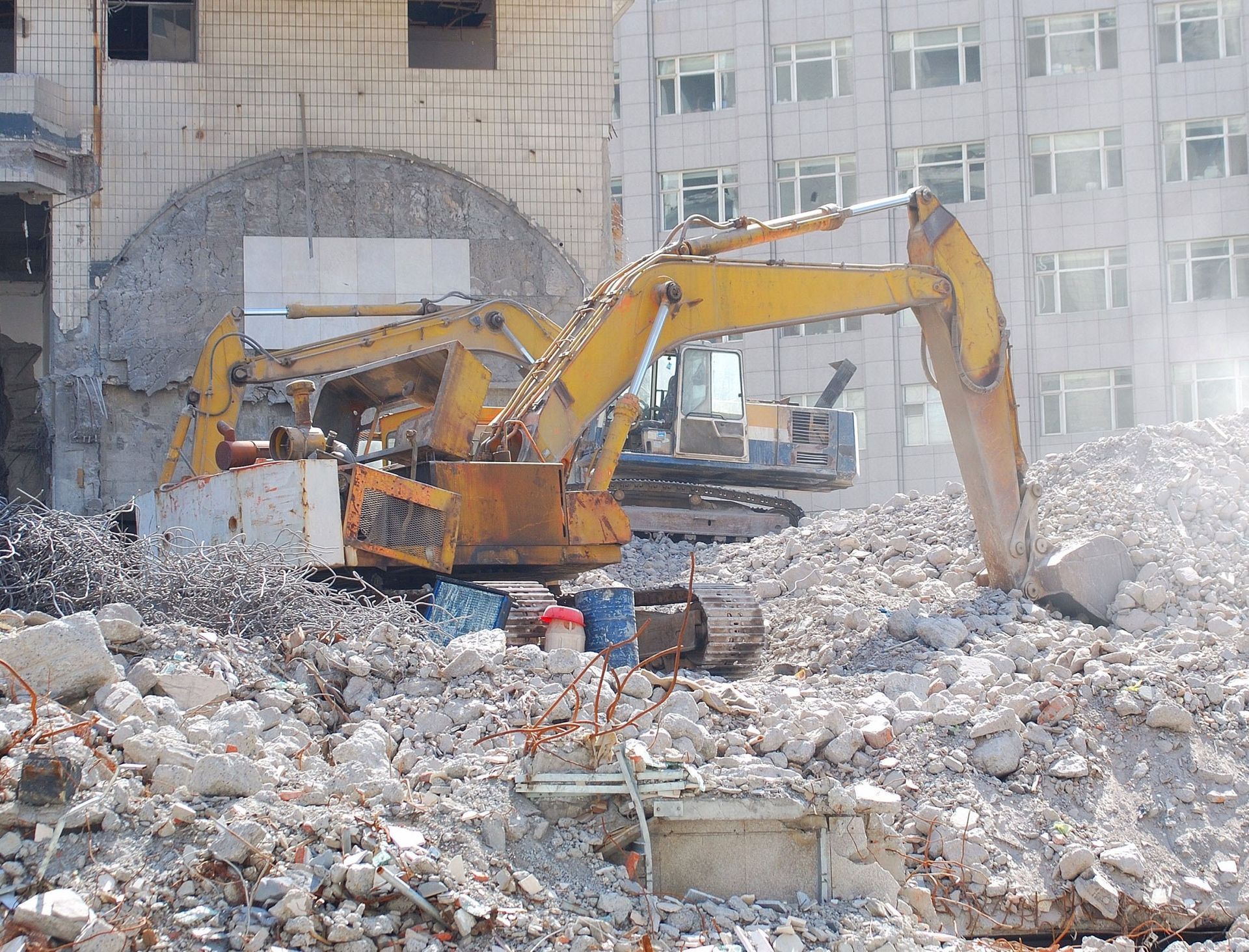
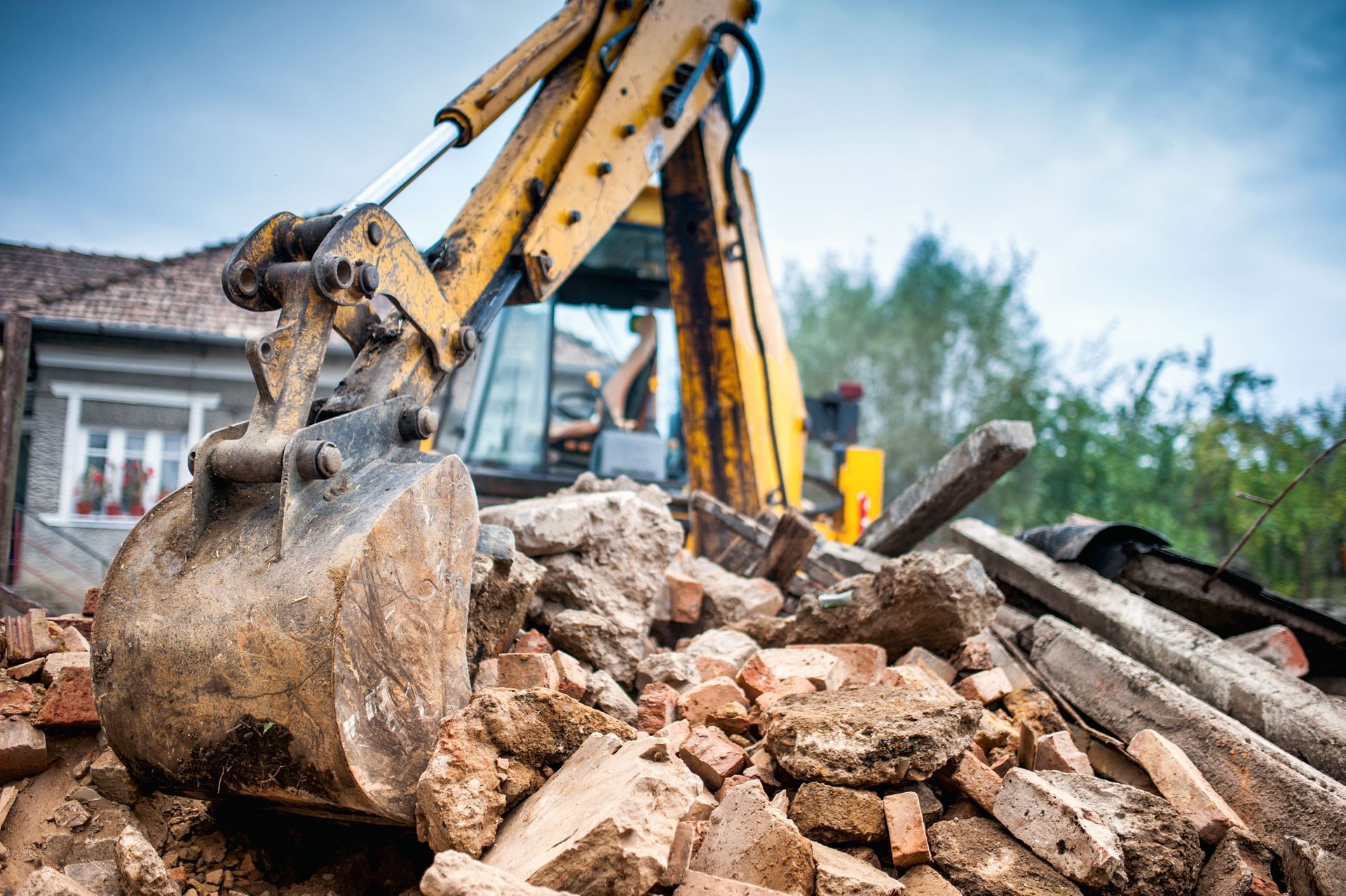
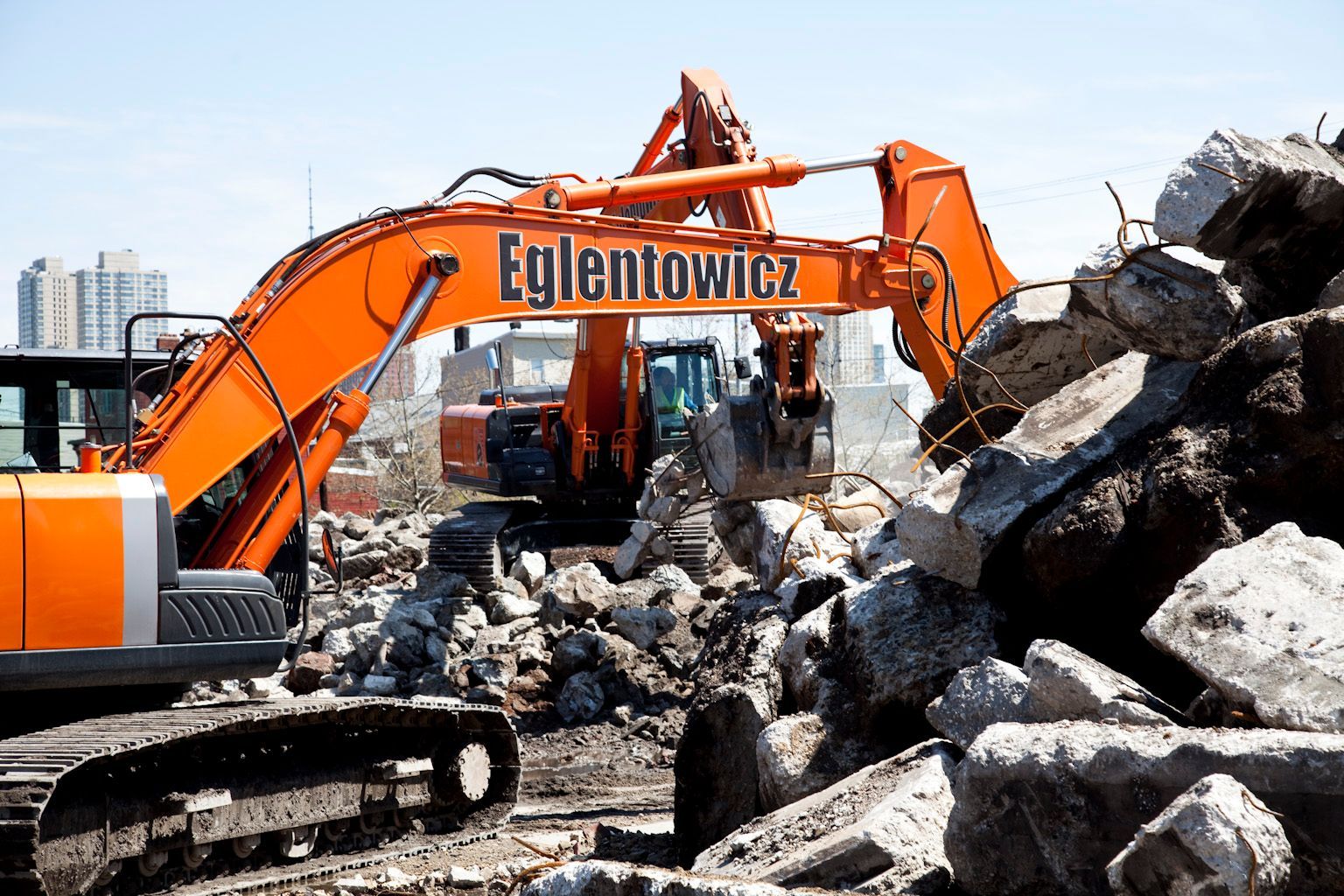
Demolition can produce substantial amounts of material that must be sorted, transported, recycled, or disposed of. Before requesting an estimate, ask how debris management will be handled and whether removal is included in the proposed scope.
Some materials may be suitable for recycling or reuse, while others may require specific disposal procedures. Establishing expectations ahead of time can prevent confusion about cleanup responsibilities.
Plan for Site Restoration
Once a structure is removed, the property may require additional preparation before its next use. Depending on the project, this could include clearing remaining debris, leveling the site, addressing ground conditions, or preparing for future construction.
Discussing these needs during the estimating process helps ensure that everyone understands what is included in the demolition work and what may require separate services.
Consider the Future Property Use
The intended future use of the property should influence demolition planning. A site being prepared for new commercial construction may have different requirements from one being cleared for parking, landscaping, expansion, or another purpose.
Sharing future development plans with the contractor can help ensure that the demolition approach supports the property's next phase.
Commercial demolition requires careful preparation, regulatory awareness, safety planning, and coordination with a local commercial demolition company. Answering key questions before requesting an estimate can help property owners establish realistic expectations and prepare for the project.
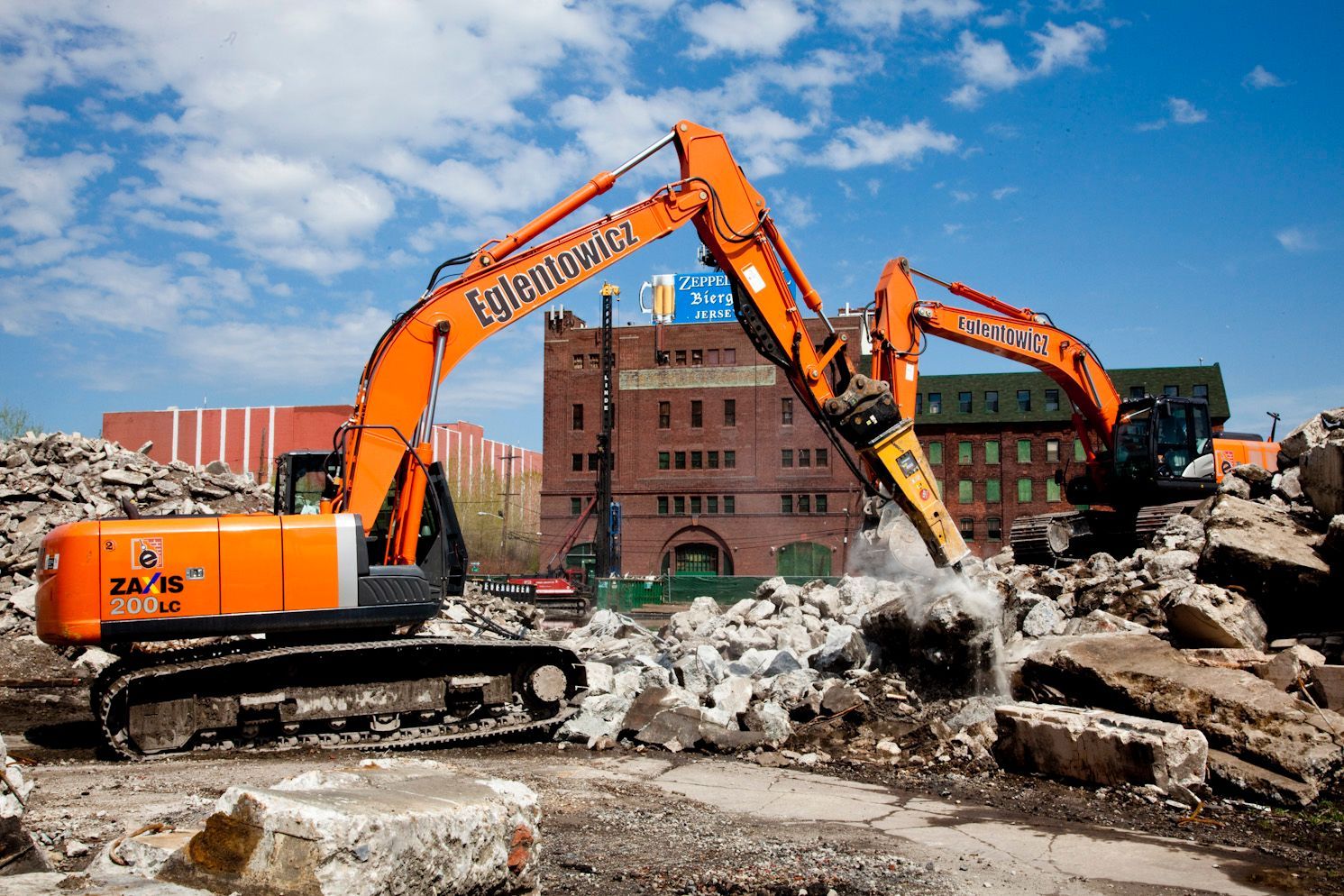
For professional assistance with commercial demolition planning and project needs, contact Eglentowicz Demolition & Environmental Company to discuss the property, scope of work, and next steps toward an estimate.












Share On: