
How an Experienced Demolition Contractor Prevents Site Hazards
Demolition projects involve more than tearing down buildings and removing debris. They require careful planning, hazard identification, and safety procedures to protect workers, nearby properties, and the surrounding environment. Hiring an experienced demolition contractor helps ensure potential risks are addressed before work begins and managed throughout the project. Understanding these safety practices can help property owners make informed decisions when planning a demolition project.
Identifying Potential Hazards Before Demolition Begins
A thorough site assessment is one of the most important steps in preventing demolition-related accidents. Before work begins, contractors must understand the building's condition, construction materials, surrounding structures, and potential environmental concerns.
An experienced demolition contractor evaluates the property to identify hazards that could affect workers or the surrounding area. These may include unstable walls, weakened foundations, hazardous materials, underground utilities, and overhead power lines. Identifying these risks early allows the project team to develop appropriate precautions before demolition starts.
Pre-demolition planning may include the following activities:
- Inspecting the building's structural condition.
- Identifying nearby structures, sidewalks, and roadways that could be affected.
- Locating underground utilities and overhead electrical lines.
- Determining whether hazardous materials require specialized handling.
- Establishing safe equipment access points and debris removal routes.
This initial assessment provides the foundation for a safer, more organized demolition process. It also helps contractors determine the equipment, personnel, and protective measures needed for the specific site.
Establishing Safe Work Zones and Access Points
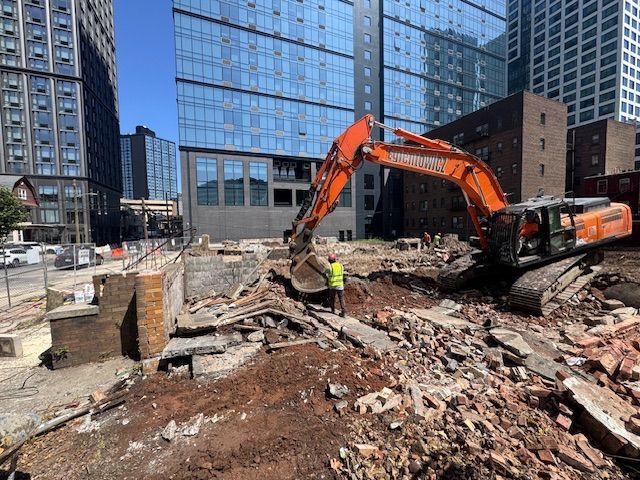
Demolition creates falling debris, moving equipment, airborne dust, and other hazards that can endanger anyone near the work area. Establishing clearly defined work zones helps prevent unauthorized access and separates workers from dangerous activities.
A professional demolition team identifies restricted areas, marks site boundaries, and establishes designated routes for personnel and machinery. Fencing, barricades, and warning signs can help keep pedestrians and visitors away from hazardous areas.
Safe access planning is equally important. Workers need clear routes to reach their work areas, while heavy equipment requires sufficient space to maneuver without striking nearby structures or utilities. Emergency access routes must also remain available throughout the project.
Protecting Workers From Structural Collapse
Structural instability is one of the most serious hazards associated with demolition. Buildings may contain weakened support beams, damaged foundations, deteriorated materials, or sections that could collapse unexpectedly when surrounding components are removed.
Contractors must understand how a structure is supported and determine the appropriate sequence for dismantling it. Removing structural components without a clear plan can cause unintended collapses, placing workers and nearby properties at risk.
A safe demolition plan considers the building's construction, existing damage, and the equipment required for the job. Depending on the structure, work may proceed in carefully controlled stages to prevent unsupported sections from falling prematurely.
Workers should never enter areas where structural stability is uncertain until the hazards have been assessed and appropriate precautions are in place. An experienced demolition contractor monitors changing site conditions and stops work when unexpected movement or other signs of instability appear.
Managing Hazardous Materials and Environmental Risks
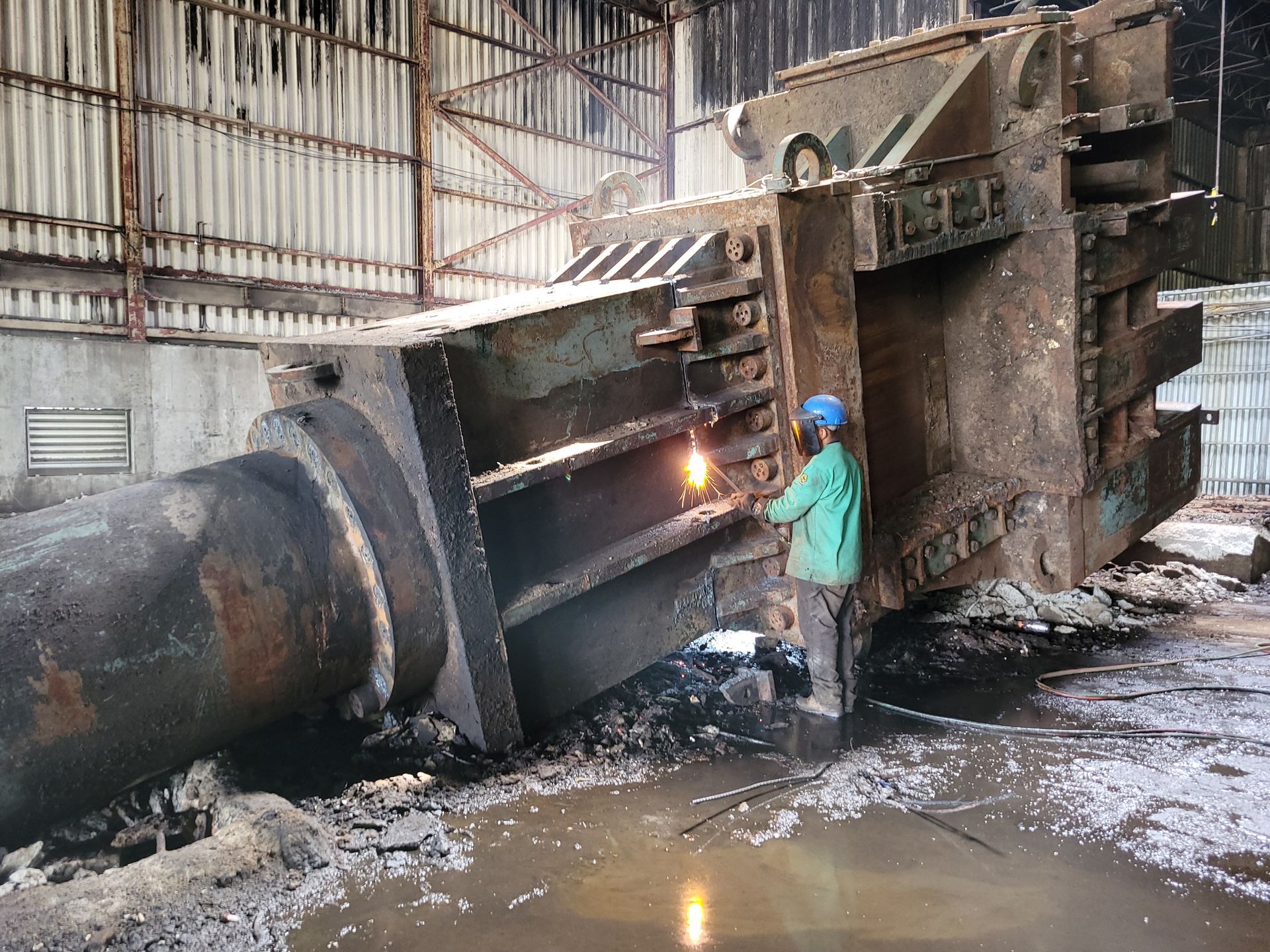
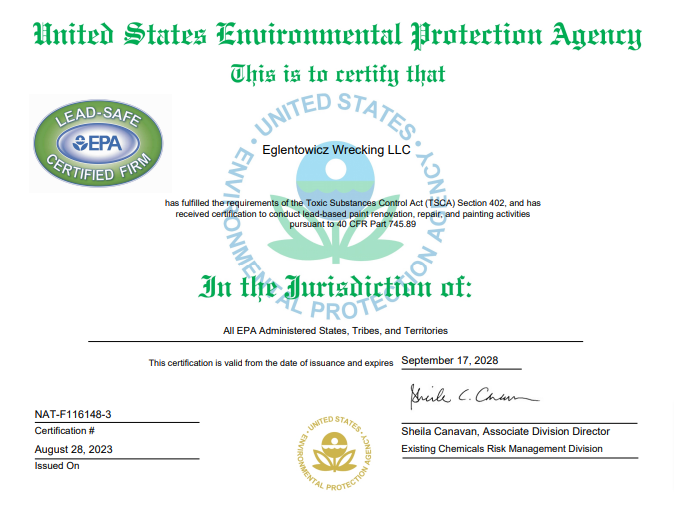
Older buildings and industrial properties may contain materials that require special handling. Asbestos, lead-based paint, contaminated soil, and certain chemical residues can create serious health and environmental risks if disturbed or released during demolition.
Before work begins, contractors should determine whether hazardous materials may be present and arrange appropriate inspections or testing when necessary. Materials that require specialized removal must be handled in accordance with applicable regulations and by qualified professionals.
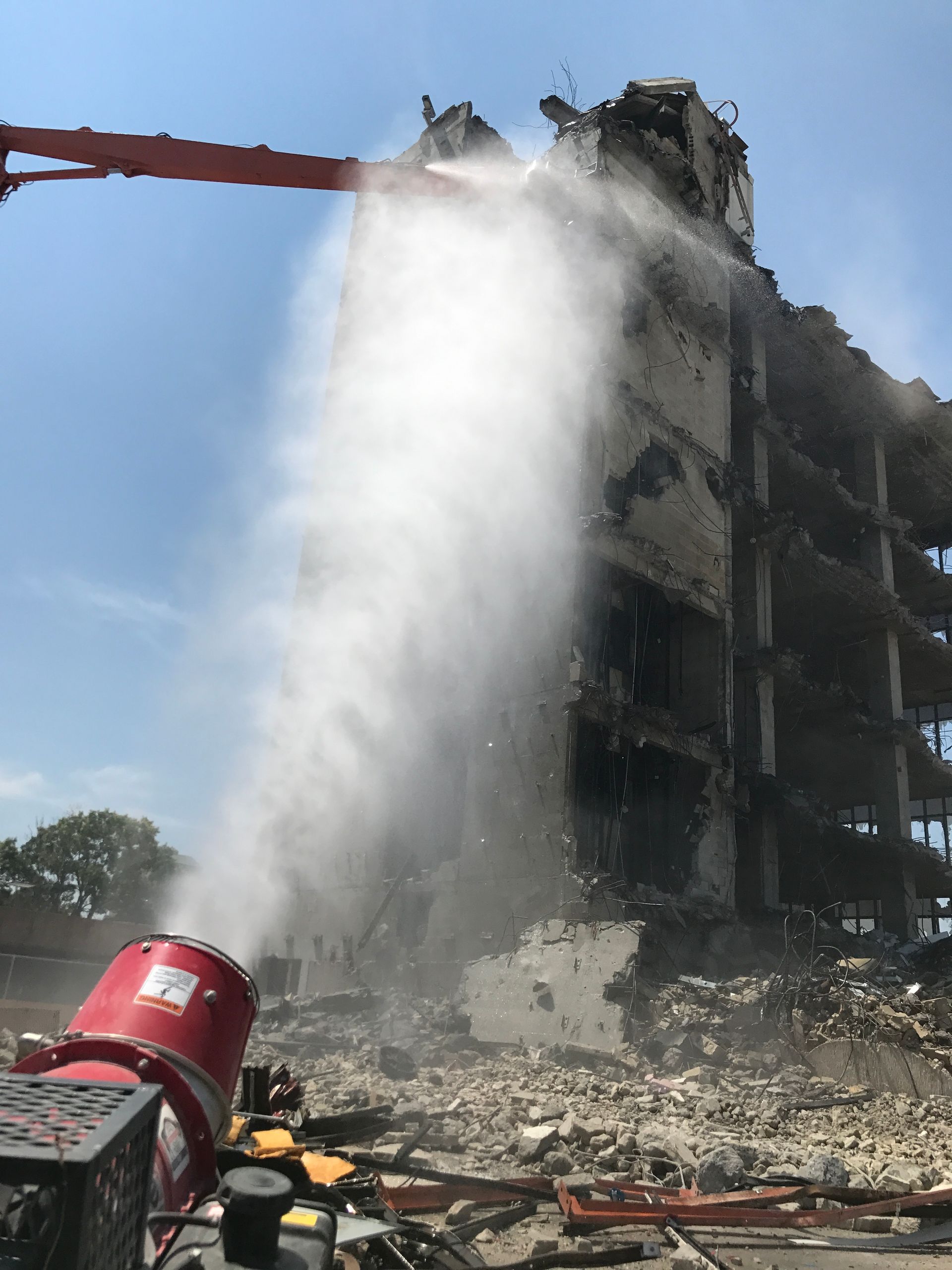
Dust control is another important consideration. Demolition can release fine particles that affect workers, neighboring properties, and the surrounding environment. Depending on the site and materials involved, contractors may use water-based dust suppression, appropriate containment measures, and suitable personal protective equipment.
According to Market Research Future, more than 50% of construction and demolition debris was estimated to be recycled in 2025, reflecting the industry's emphasis on sustainable material management. Separating recyclable materials from general waste can reduce landfill disposal and help keep demolition sites organized. However, potentially hazardous materials must be identified and managed appropriately before recycling or disposal.
By addressing environmental concerns during planning, an experienced demolition contractor can help limit exposure risks and support responsible debris management.
Maintaining Equipment and Safe Operating Procedures
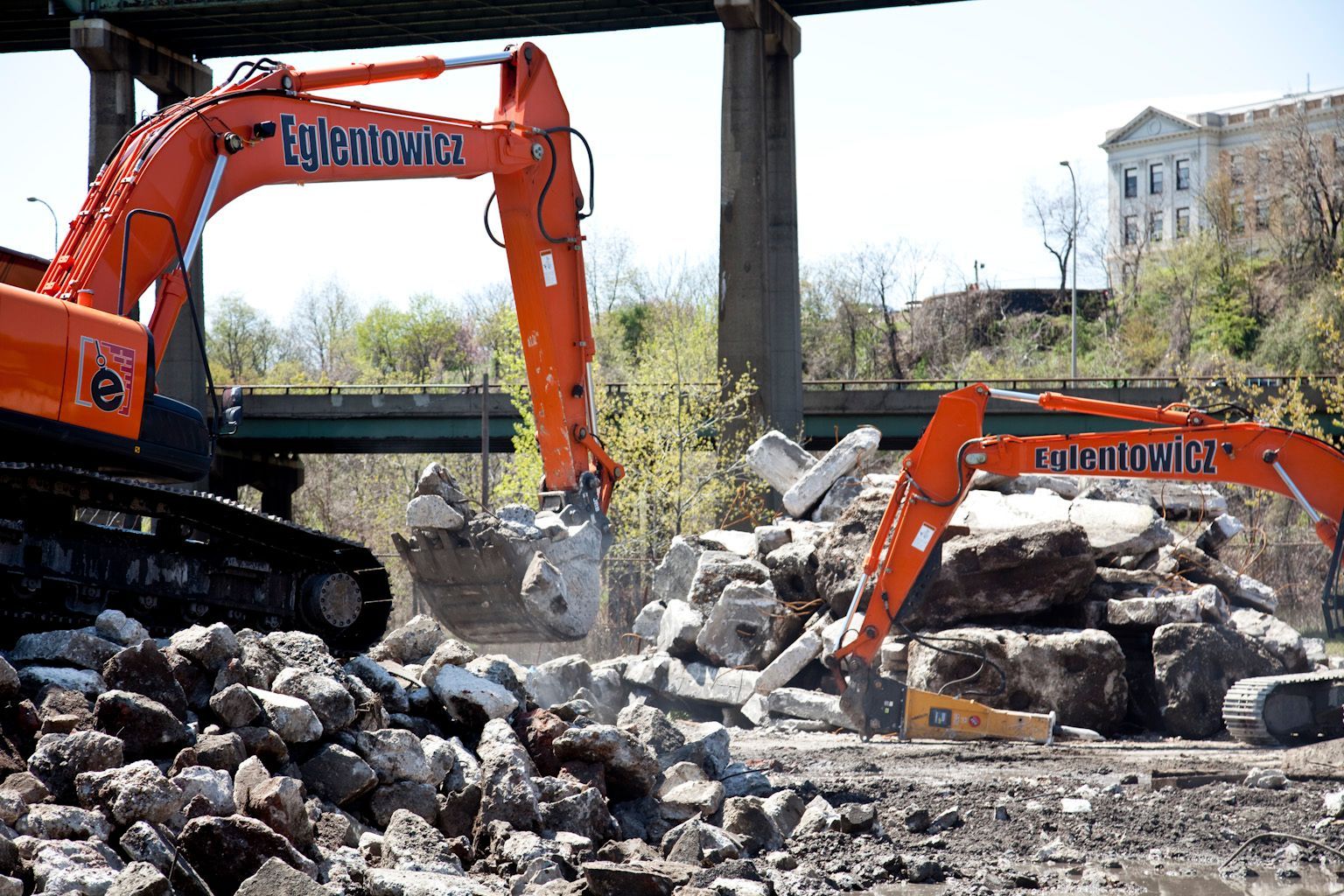
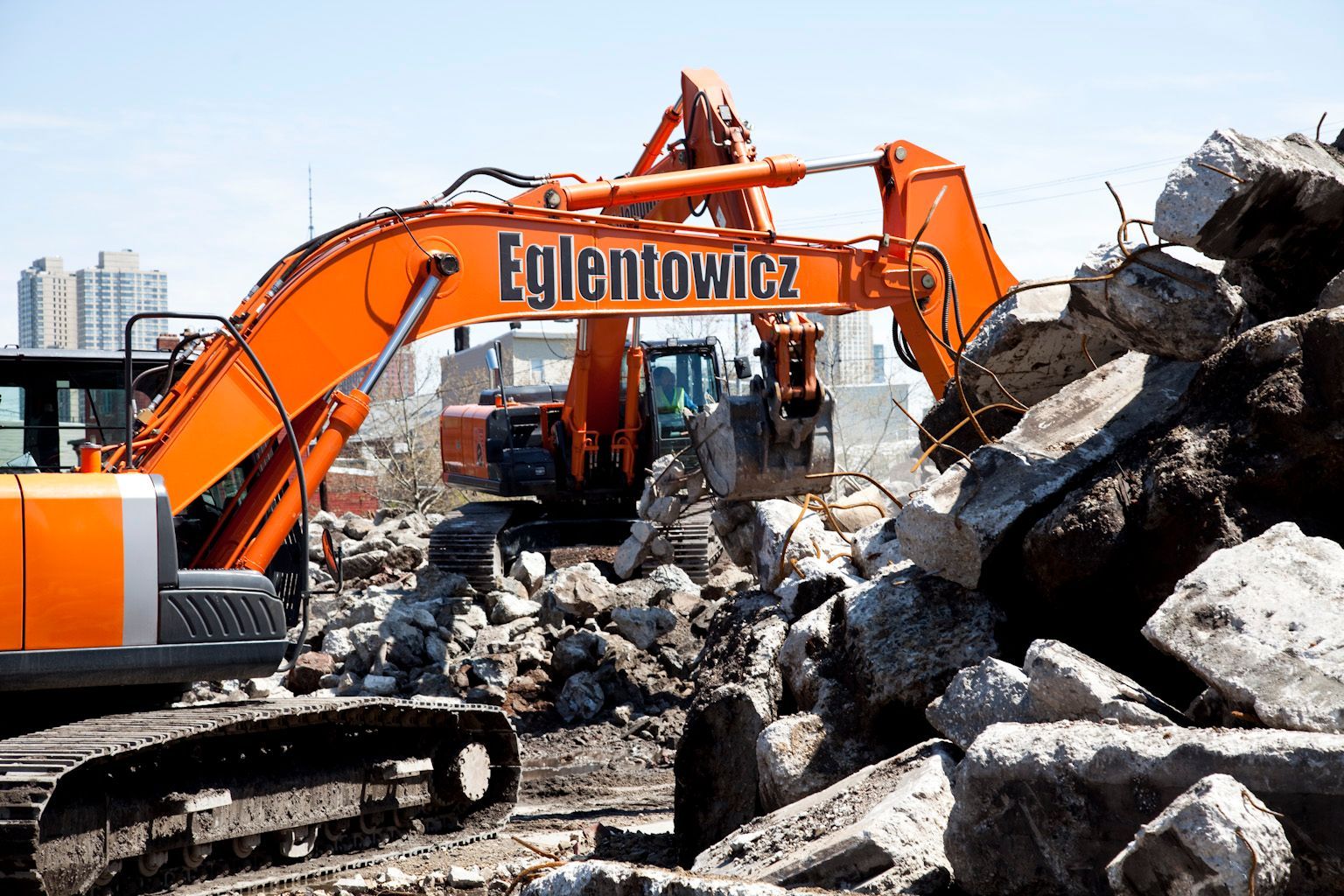
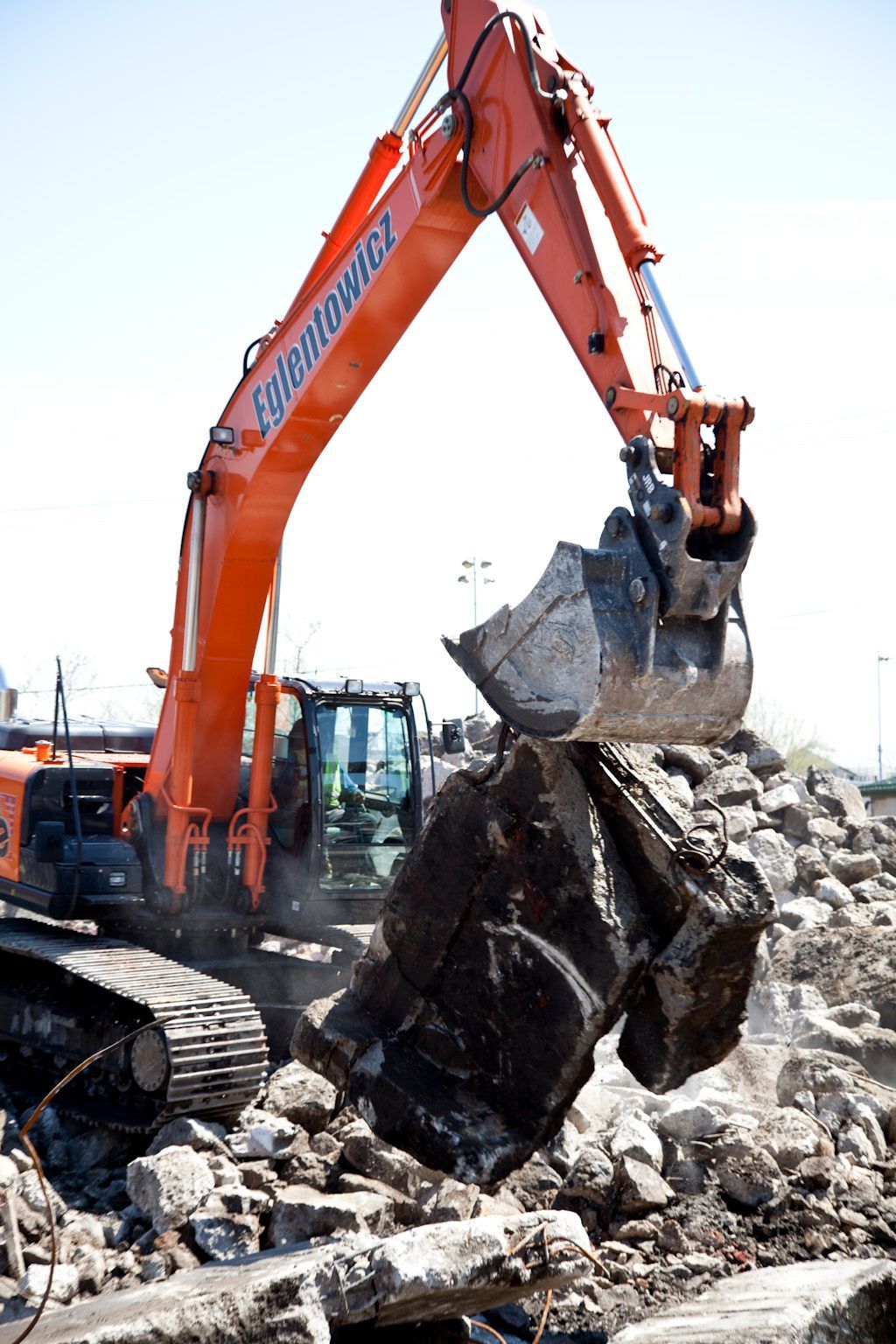
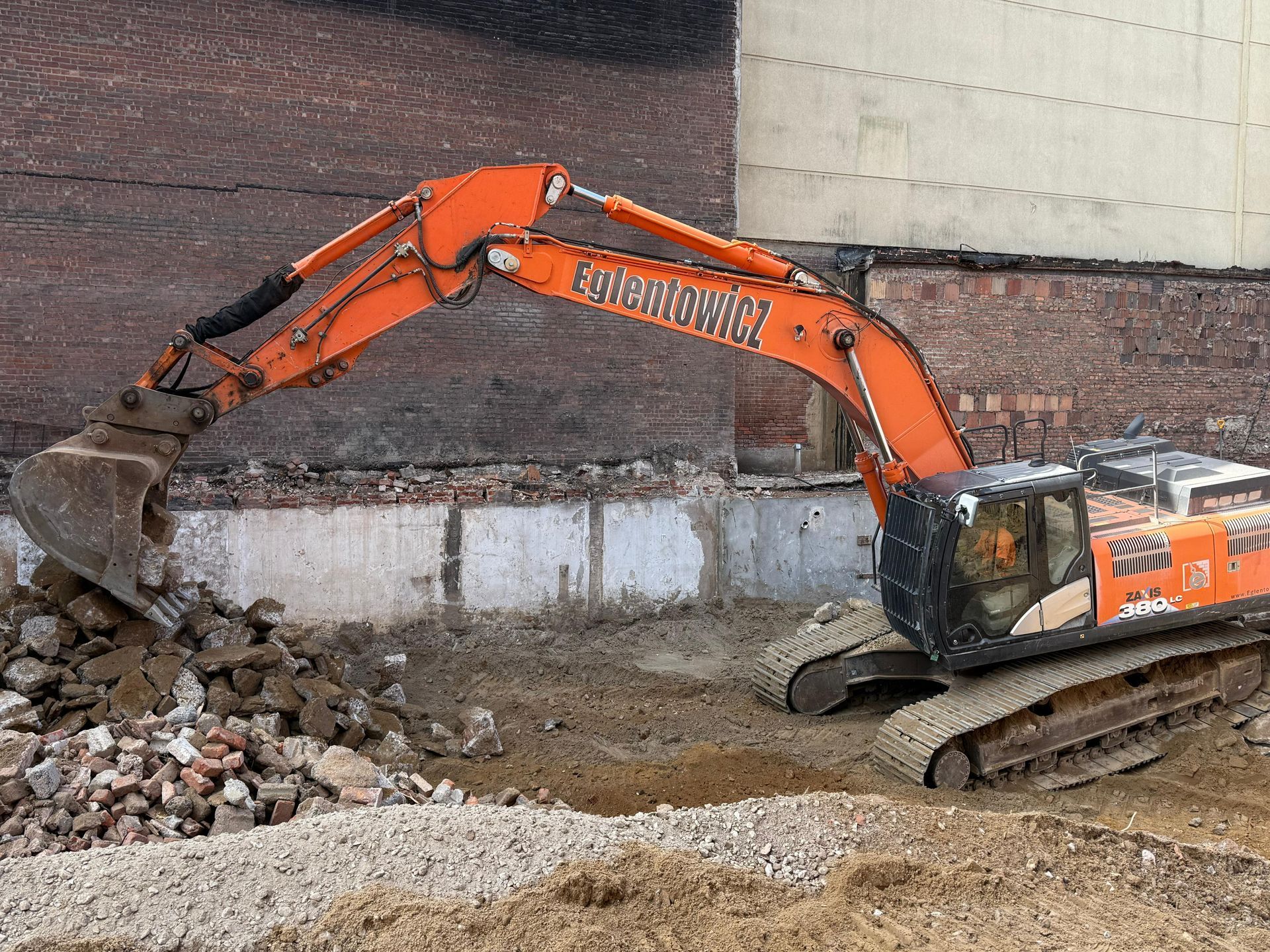
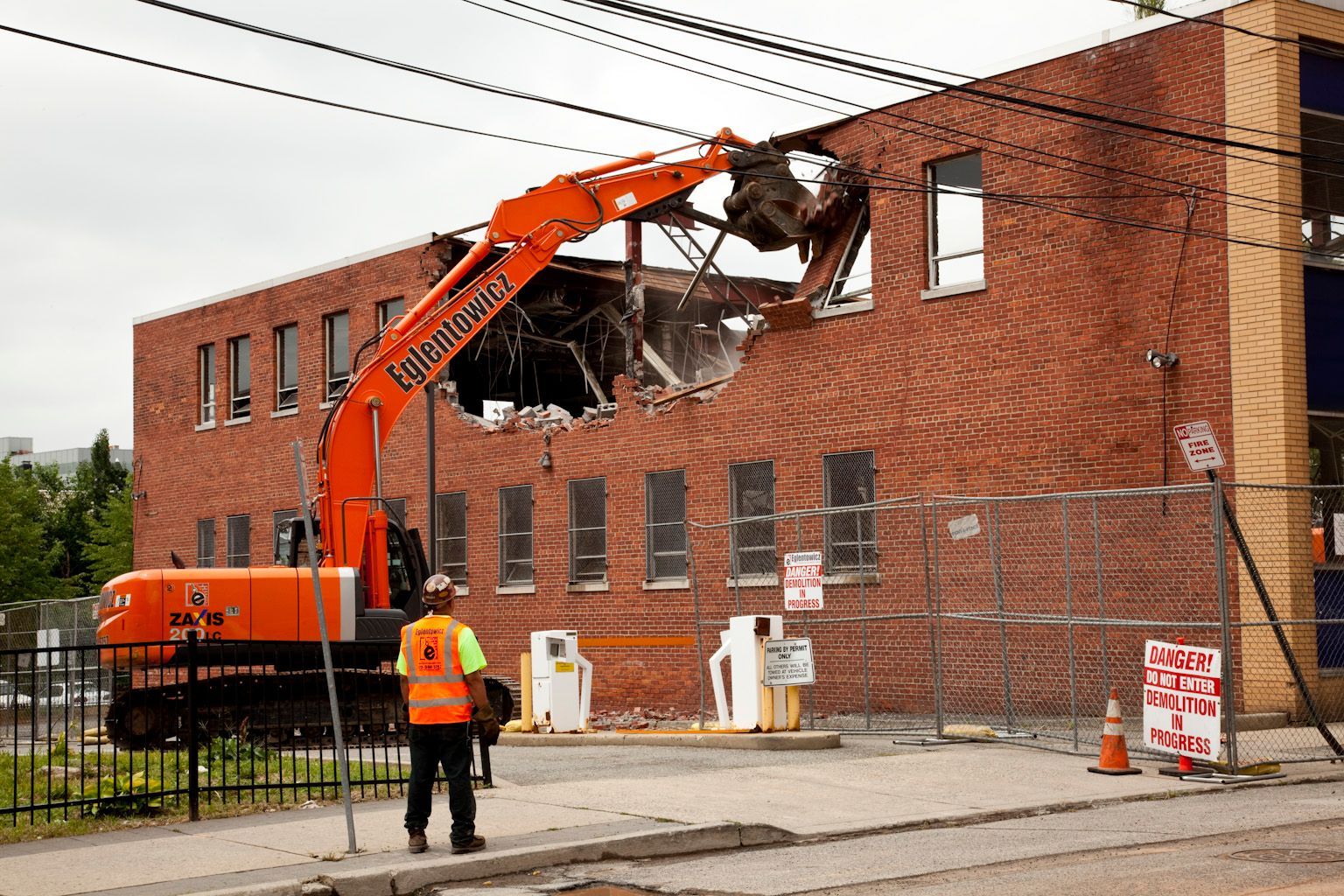
Heavy machinery is essential for many demolition projects, but improperly maintained equipment and unsafe operating practices can create serious hazards. Excavators, loaders, and other machines require suitable operating conditions, regular inspections, and trained operators.
Before equipment is used, the project team should check for visible damage, fluid leaks, malfunctioning controls, and other issues that could affect safe operation. Equipment must also be appropriate for the structure, available workspace, and site conditions.
Safe operating procedures include maintaining adequate clearance around machinery, communicating clearly with ground crews, and preventing unauthorized personnel from entering equipment operating zones. Workers should remain outside designated danger areas and avoid approaching machinery until the operator knows they are present.
An experienced demolition contractor prioritizes proper equipment use and coordinates machine operators with the rest of the demolition team to maintain a controlled work environment.
Preventing Falls and Injuries From Falling Debris
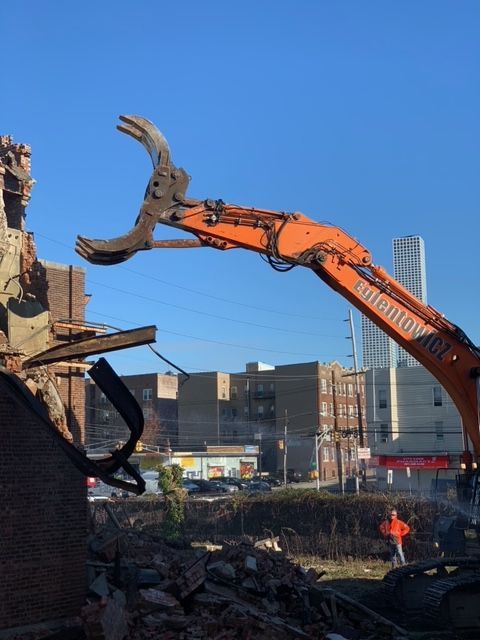
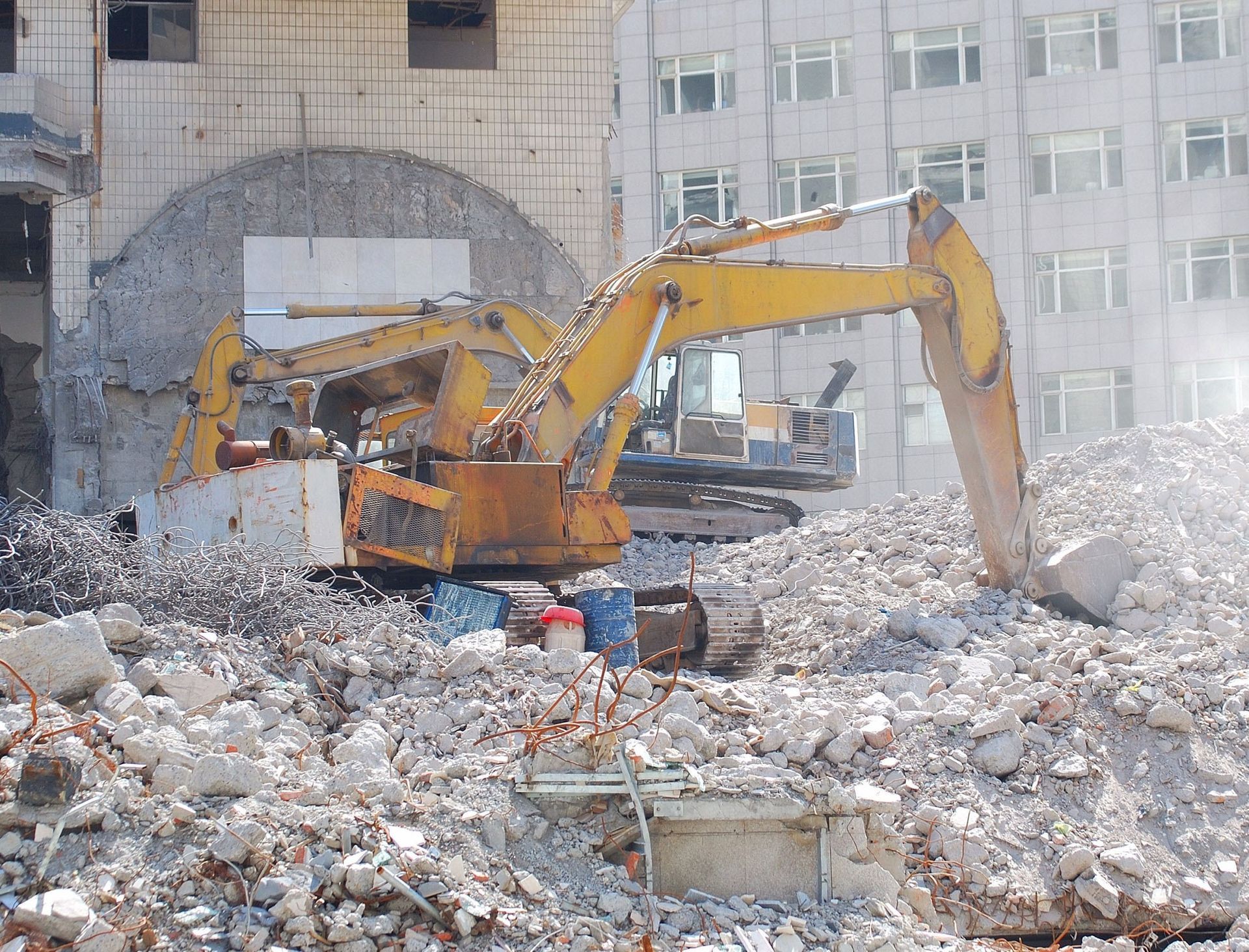
Demolition activities can create falling materials, loose debris, and airborne particles that pose a threat to workers and nearby individuals. Falling objects are particularly dangerous when upper sections of a building are dismantled or heavy materials are moved around the site.
Contractors can reduce these risks by establishing exclusion zones, requiring appropriate personal protective equipment, and using controlled demolition methods. Hard hats, safety glasses, gloves, and protective footwear help reduce exposure to common workplace hazards. Additional equipment may be necessary depending on the task and materials involved.
Other important precautions include:
- Removing debris regularly to prevent unstable piles and tripping hazards.
- Keeping workers away from areas where materials are being dismantled or lowered.
- Using appropriate dust suppression methods when conditions require them.
- Maintaining clear walkways and designated equipment routes.
An experienced demolition contractor also monitors weather conditions, visibility, and changing site conditions that could increase the risk of falling materials or other accidents.
Coordinating Emergency Plans and Safety Procedures
Even with careful planning, unexpected situations can occur during demolition. Having an emergency response plan helps workers understand what to do if an accident, structural failure, equipment malfunction, or hazardous material release occurs.
Before work begins, contractors should establish emergency communication procedures, identify evacuation routes, and ensure workers know where to assemble if the site must be cleared. First-aid resources and emergency contact information should also be readily accessible.
A demolition contractor coordinates safety expectations across the project team and ensures workers know how to report unsafe conditions. Work should stop when an immediate hazard develops, and activities should resume only after the problem has been evaluated and addressed.
Following a Demolition Safety Checklist
A demolition safety checklist helps property owners and project teams ensure that essential precautions are considered before work begins and throughout the project.
Use this checklist when reviewing a contractor's approach to site safety:
- Complete a site assessment and identify potential structural hazards.
- Locate utilities and address disconnection requirements before demolition.
- Assess the property for asbestos, lead, and other hazardous materials.
- Establish restricted work zones, barriers, and warning signs.
- Confirm that equipment is suitable, inspected, and operated by qualified personnel.
- Provide appropriate protective equipment and communicate safety requirements.
- Establish procedures for dust control, debris handling, and waste disposal.
- Maintain clear emergency routes and communicate response procedures.
- Monitor site conditions and reassess hazards as work progresses.
Although this checklist covers several essential considerations, each project requires a safety plan suited to its specific conditions. Working with a qualified contractor helps ensure site hazards are identified and managed appropriately.
Maintaining a Safer Demolition Site From Start to Finish
Demolition safety depends on preparation, trained personnel, reliable equipment, and consistent monitoring. From identifying structural weaknesses to controlling dust and coordinating emergency procedures, every stage of a project presents opportunities to prevent accidents and protect surrounding properties.
Hiring an experienced demolition contractor helps property owners approach these challenges with a structured plan and an understanding of potential site hazards. Careful coordination can also support efficient project progress while reducing unnecessary risks to workers and the public.
Before starting a demolition project, review the proposed safety measures and confirm that the contractor understands the property's specific requirements. Contact Eglentowicz Demolition & Environmental Company to discuss your demolition needs and request a free project estimate.















Share On: