
Behind the Hard Hat: The Safety Standards Every Demolition Contractor Must Follow
Demolition contracting is fraught with unique challenges and inherent dangers that demand high safety standards. In this article, we delve into the critical safety protocols that demolition contractors are required to follow to protect workers, the public, and the environment. The demolition industry employs over 24,000 people, according to IBISWorld, each of whom must navigate the complexities of safety compliance in an often unpredictable environment. With numerous regulatory standards and potential hazards in play, understanding the role of safety in demolition is paramount. Our discussion will explore the various dimensions of safety that encompass regulatory compliance, jobsite protocols, equipment handling, environmental hazard management, communication, and technological advancements.
Section 1: Regulatory Compliance and Standards in Demolition
1.1 Overview of Regulatory Bodies
Regulatory bodies play a pivotal role in ensuring safety standards are maintained across the demolition industry. In the United States, entities such as the Occupational Safety and Health Administration (OSHA) and the Environmental Protection Agency (EPA) provide guidelines that govern safe practices. These organizations set the framework that all demolition contractors must adhere to, shaping the policies and procedures that guide industry practices. A demolition contractor must stay updated on regulations from not only federal bodies but also state and local authorities, each of which may impose additional rules. Maintaining compliance with these regulations is not optional; it is a critical component of preserving safety and avoiding legal repercussions.
1.2 Key Regulations and Compliance Requirements
The demolition industry is governed by a myriad of regulations designed to protect workers and the environment. Key regulations include OSHA's safety requirements, which cover everything from fall protection to hazard communication. Contractors must also adhere to state-specific regulations that may impose stricter safety and environmental standards. Compliance with the EPA's guidelines is essential, particularly concerning the handling and disposal of hazardous materials such as asbestos and lead. A comprehensive understanding of these regulations is necessary for contractors to avert legal liabilities and ensure the safety of their workforce.
1.3 Licensing and Certification Requirements
Licensing and certification are fundamental components of regulatory compliance in the demolition industry. Contractors must obtain the necessary state and local licenses before undertaking demolition projects, demonstrating their capability to perform work safely and in compliance with all laws. Moreover, specialized certifications are required for the handling of hazardous materials, with rigorous training mandated for certification. Regular renewal of certifications is necessary to ensure that all workers are knowledgeable about the latest safety standards. Through licensing and certification, regulatory bodies assure the competency and reliability of demolition professionals within the industry.
1.4 Inspections and Penalties
Inspections are a critical tool for regulatory bodies to ensure compliance with safety standards in demolition. Regular inspections by authorized entities guarantee that job sites adhere to required safety protocols. Failure to comply with regulations can lead to significant penalties, including fines or suspension of licenses. Inspections not only serve as a deterrent for non-compliance but also as an opportunity to identify areas for improvement in safety practices. Penalties act as a forceful reminder of the importance of maintaining the highest safety standards to protect workers and the public alike.
Section 2: Jobsite Safety Protocols
2.1 Preliminary Site Assessments
Preliminary site assessments are the first critical steps in ensuring jobsite safety in demolition projects. These assessments involve identifying potential hazards and evaluating site-specific risks that may affect the safety of workers. Thorough site evaluations allow contractors to devise appropriate safety measures tailored to the unique conditions of each location. Risk assessment procedures often integrate structural analysis, identification of hazardous materials, and logistical planning to mitigate identified hazards. The effectiveness of preliminary site assessments sets the tone for a safe and efficient demolition process.
2.2 Safety Signage and Barricades
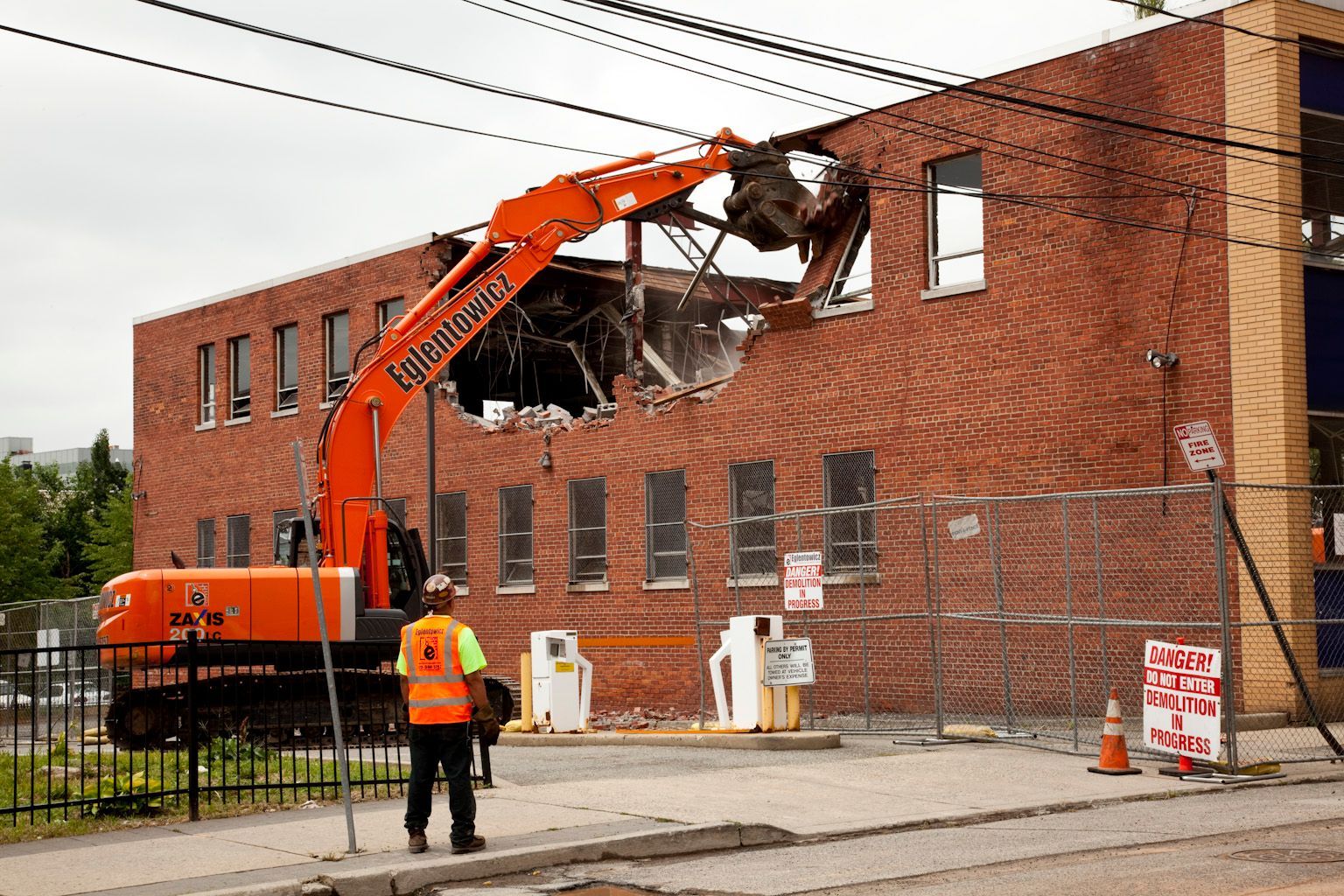
Safety signage and barricades play crucial roles in maintaining safe work environments on demolition sites. Signage communicates critical information regarding potential hazards, emergency procedures, and equipment operation, while barricades delineate safe zones and restrict unauthorized access. Properly placed and clearly visible signs are essential for alerting workers and the public to specific dangers within the demolition area. These safety measures help in reducing confusion and preventing accidents, thereby enhancing overall site safety. Effective usage of signage and barricades reflects a commitment to maintaining transparent communication of safety protocols on-site.
2.3 Emergency Response Planning
Emergency response planning is a vital component of jobsite safety protocols, aimed at minimizing the impact of unexpected incidents. Comprehensive emergency plans detail procedures for various scenarios, including fire, structural collapse, and equipment failure. The development of these plans involves collaboration between contractors, safety officers, and emergency services to ensure a coordinated response. Regular drills and simulations keep personnel prepared and capable of executing emergency protocols efficiently. By integrating emergency response planning into safety routines, demolition teams enhance their readiness and ability to protect lives and property during crisis situations.
Section 3: Operational Safety and Equipment Handling
3.1 Machinery and Equipment Regulations
Machinery and equipment form the backbone of demolition operations, necessitating strict adherence to operational safety regulations. The end-to-end handling of equipment, from transportation to deployment and storage, is governed by comprehensive safety guidelines. Compliance with machinery regulations ensures that only properly maintained and certified equipment is utilized on job sites. Workers must be trained in the safe operation of machinery to prevent accidents and injuries. Adhering to equipment safety regulations contributes significantly to seamless demolition processes and worker safety.
3.2 Daily Equipment Checks
Daily equipment checks are a cornerstone of operational safety in demolition projects. These checks involve rigorous inspection routines to identify potential issues with machinery before they lead to accidents. Ensuring that equipment is in optimal working condition minimizes the risk of unexpected malfunctions during operations. Regular maintenance and timely repairs detected through these checks enhance the lifespan and effectiveness of demolition machinery. By prioritizing daily equipment inspections, contractors boost safety standards and efficiency on-site.
3.3 Operator Training and Certification
Operator training and certification are vital in ensuring that demolition machinery is operated safely and effectively. Certified training programs equip operators with the knowledge and skills required for safe machinery operation. The certification process involves both theoretical knowledge and practical skills assessment, emphasizing adherence to safety protocols. Continuous training updates are necessary to keep operators informed of new equipment and evolving safety best practices. Through training and certification, contractors demonstrate their commitment to operational safety and their workforce's expertise.
Section 4: Environmental Hazard Management
4.1 Hazardous Material Identification
The identification of hazardous materials is a critical responsibility in managing environmental hazards during demolition projects. A demolition contractor must conduct thorough inspections to detect hazardous substances like asbestos, lead, and chemical contaminants. Proper identification of these materials is crucial for planning their safe removal and disposal without endangering workers or the environment. Collaboration with specialized environmental experts ensures an accurate assessment of materials and compliance with regulatory standards. By prioritizing the identification of hazardous materials, contractors safeguard worker health and preserve environmental integrity.
4.2 Asbestos and Lead Mitigation
Asbestos and lead mitigation require strict regulatory standards that dictate the safe removal, handling, and disposal of these hazardous materials, ensuring they do not pose risks to human health or the environment. Proper containment, protective gear, and specialized equipment are critical components of these mitigation processes. Trained and certified professionals must execute these tasks to maintain compliance and ensure safety. By adhering to rigorous asbestos and lead mitigation practices, contractors uphold health standards and environmental protections.
4.3 Dust and Air Quality Controls
Dust and air quality controls are essential for protecting the health of workers and surrounding communities during demolition activities. Implementing measures such as water sprays, dust suppressants, and ventilation systems effectively minimizes airborne particles and maintains clean air. Regular air quality monitoring ensures compliance with health and safety regulations and identifies areas for improvement. By prioritizing dust and air quality controls, contractors enhance the working environment and reduce health risks associated with airborne contaminants. Effective management of air quality exemplifies a commitment to maintaining a safe and health-conscious demolition site.
Safety in demolition is non-negotiable. Through strict adherence to industry standards and regulations, effective jobsite safety protocols, state-of-the-art technology, and a collaborative approach towards project execution, a
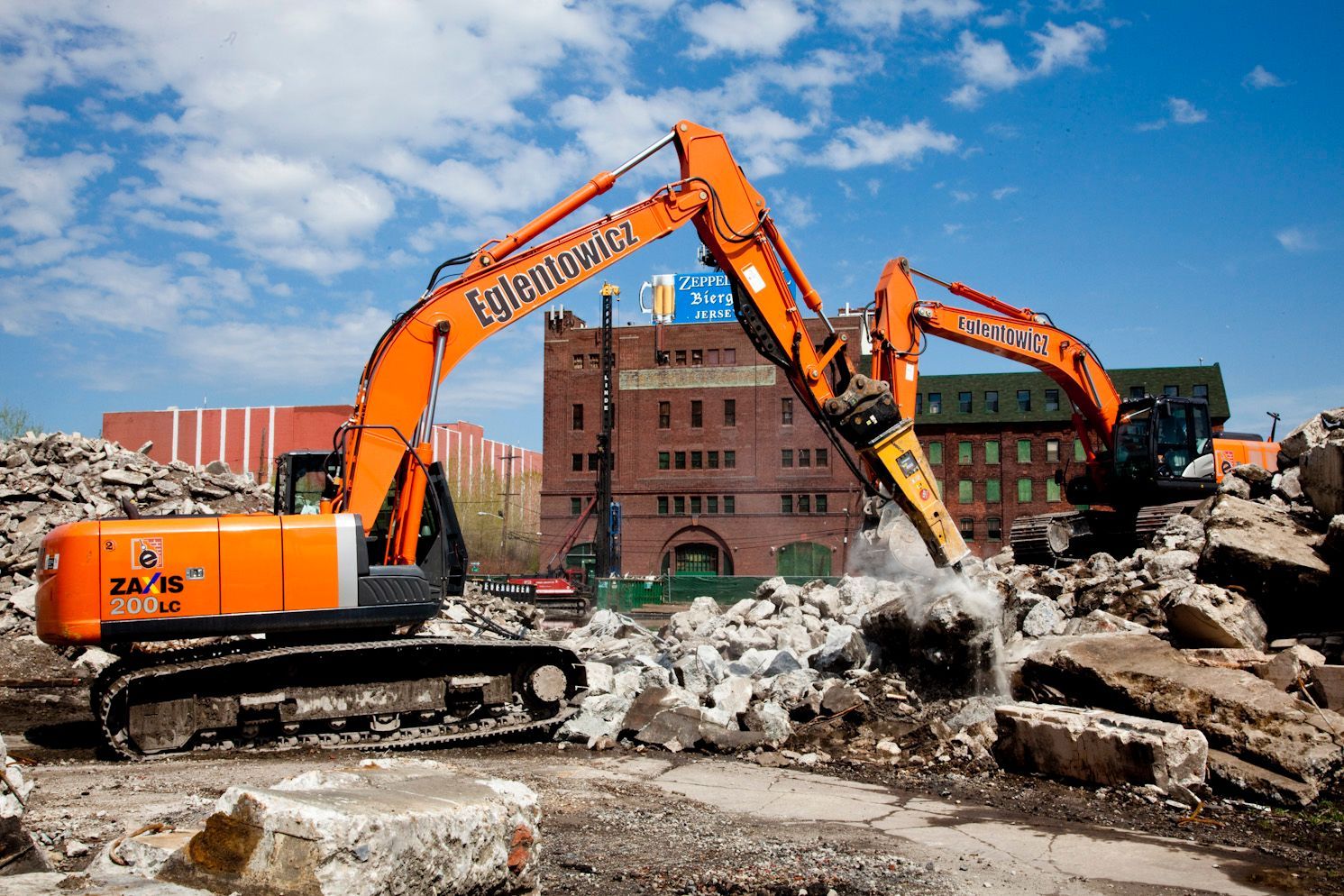
demolition contractor can significantly mitigate risks and ensure safe project outcomes. If you're looking for demolition services, reach out to Eglentowicz Demolition & Environmental Company today!














Share On: