
Why Safety Is the Top Priority in Industrial Demolition
Industrial demolition is a high-risk industry that necessitates thorough planning and execution. Unlike standard construction, demolition involves the unpredictable deconstruction of massive structures, posing significant safety risks to workers and communities. Prioritizing safety not only prevents catastrophic accidents but also protects public health and the surrounding environment.
Every project presents an intricate web of variables, where aging infrastructure, volatile chemical residues, and heavy mechanical forces intersect. Securing a professional industrial demolition service ensures that these complexities are handled under strict engineering controls. A successful project requires a comprehensive strategy encompassing strict regulatory compliance, tactical risk management, technological innovations, and a robust safety culture. Failing to implement these safeguards can result in catastrophic structural failures, legal liabilities, environmental destruction, and loss of life.
Hazards and Unanticipated Failures
Physical, Chemical, and Environmental Risks
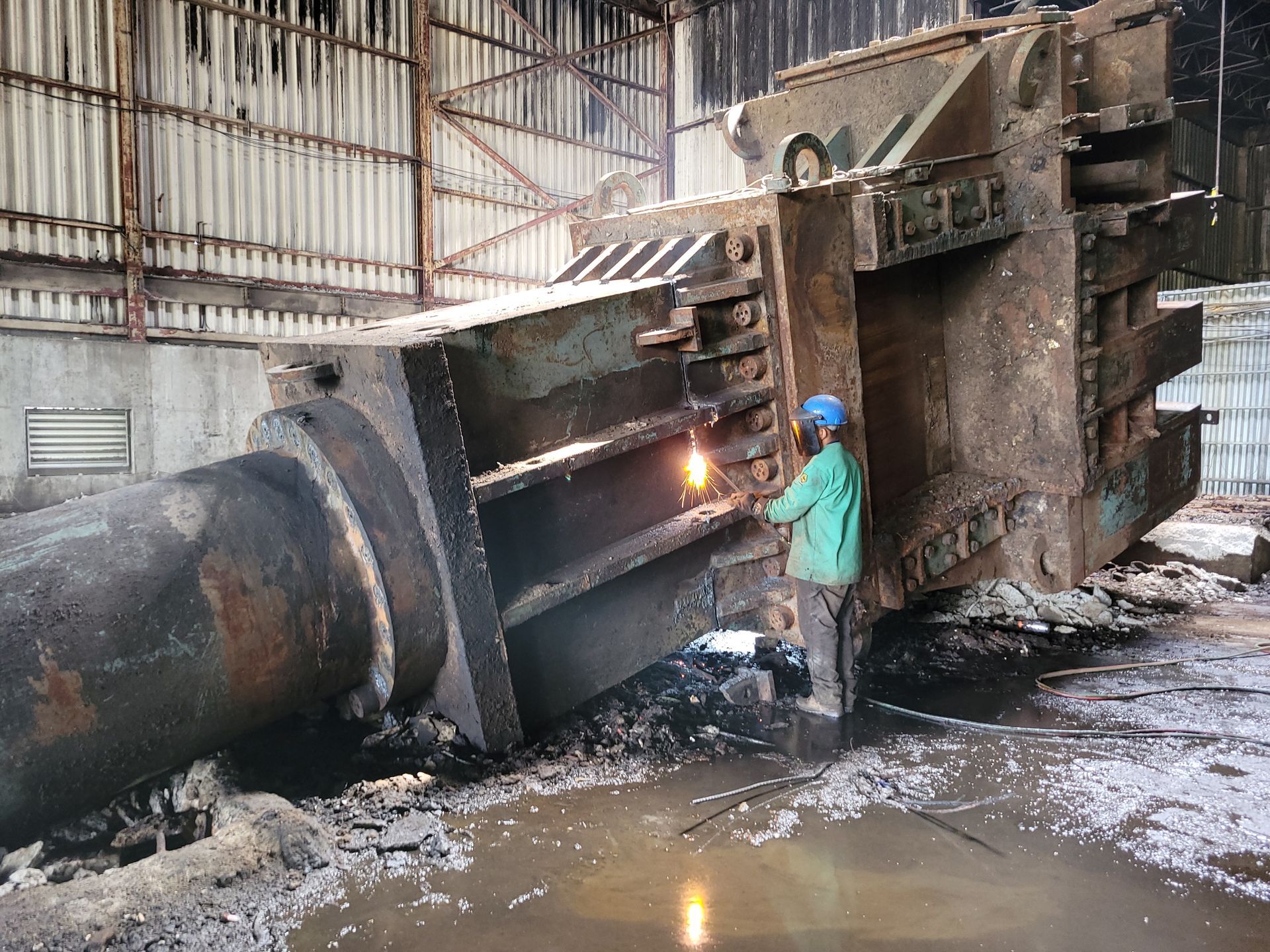
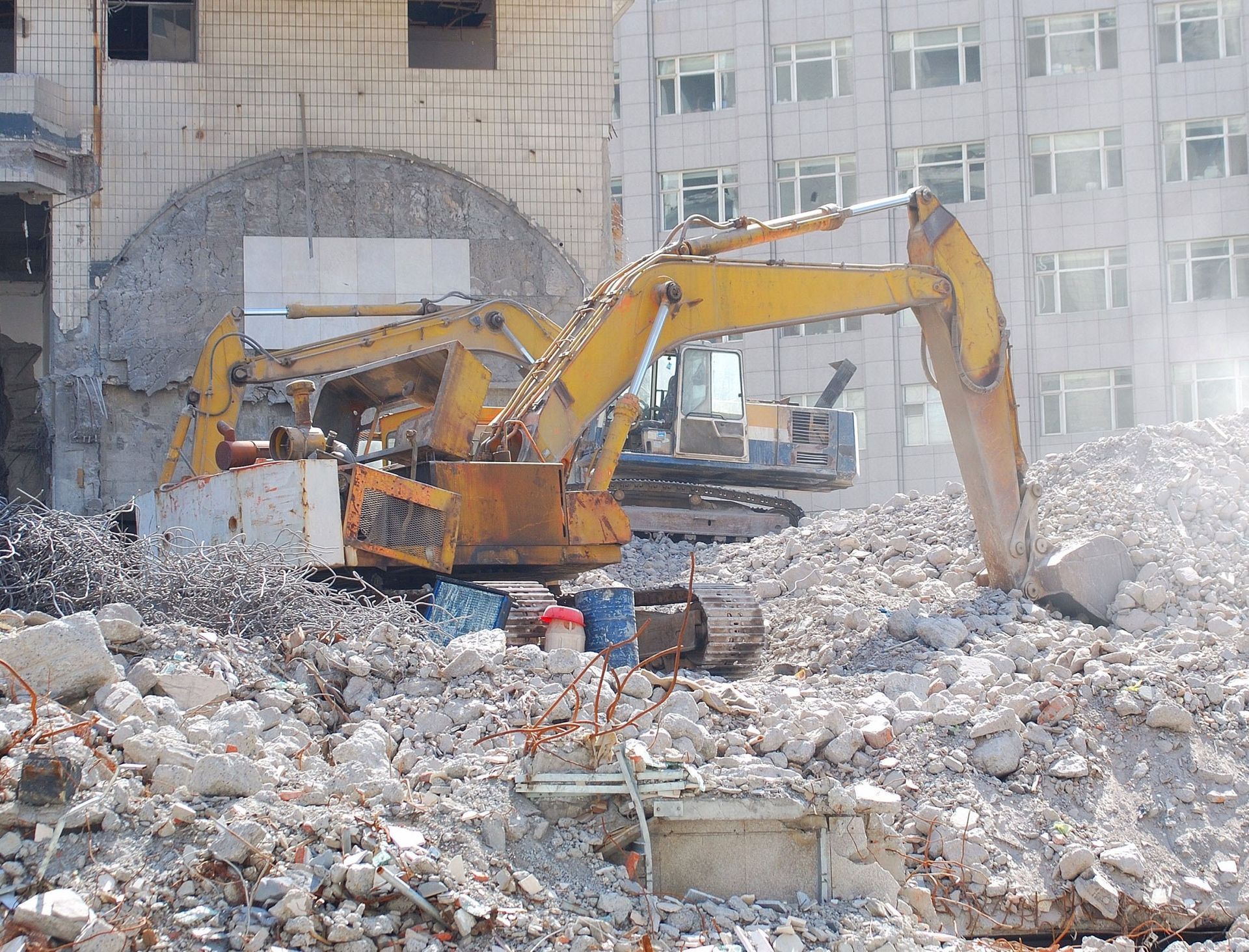
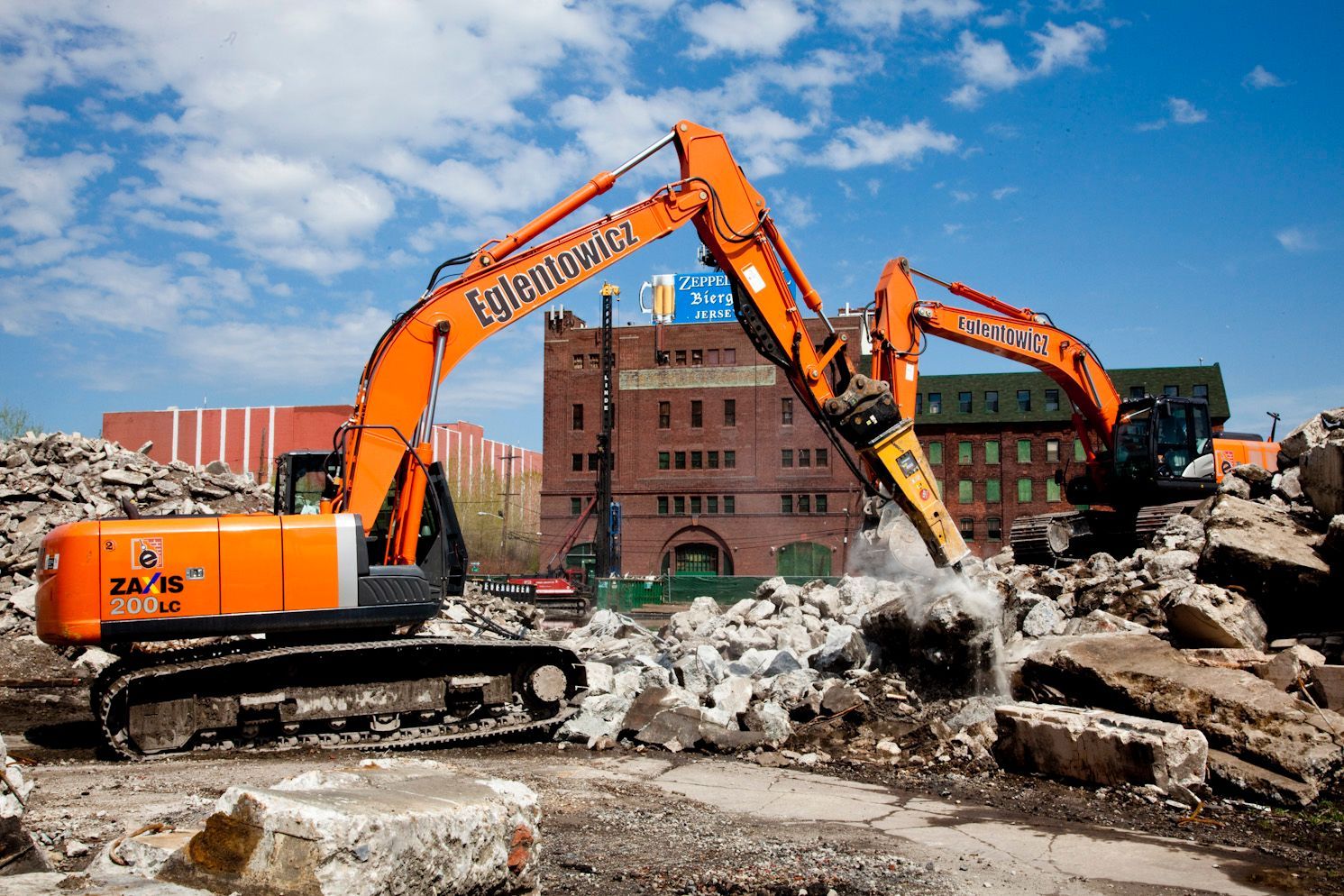
Physical hazards are prevalent due to the scale of tearing down large facilities. Workers face constant exposure to falling debris, which can cause severe injuries or fatalities. Manual handling of heavy debris and materials increases musculoskeletal risks, while improper machinery operation can lead to major mechanical accidents. Furthermore, industrial environments often feature high-elevation work, creating pervasive slip, trip, and fall hazards. To combat these dangers, site managers must enforce rigid debris-clearing schedules and define strict exclusion zones. Comprehensive training and the uncompromising deployment of advanced personal protective equipment (PPE) are vital to mitigating these physical threats.
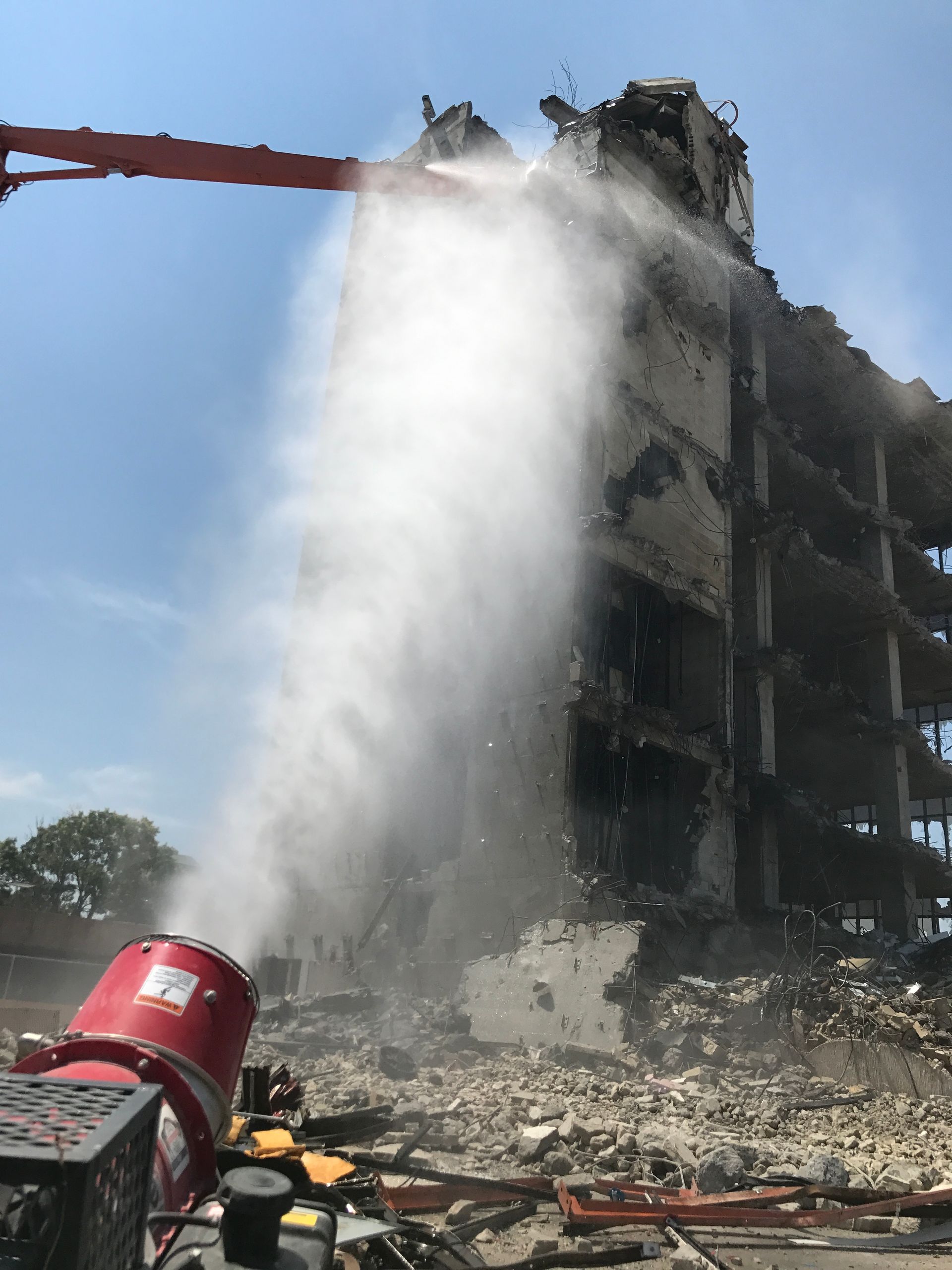
Demolition activities frequently release legacy chemical hazards into the environment. Toxic elements like lead paint, heavy metals, and volatile organic compounds (VOCs) endanger local air quality and the long-term health of nearby populations. Furthermore, improper waste management can lead to widespread soil and water contamination, polluting local water tables and ecosystems. The Environmental Protection Agency (EPA) notes that demolition accounts for more than 90% of total Construction and Demolition (C&D) debris, making containment and strict disposal systems a priority. Mitigating these risks requires complex dust suppression systems, such as continuous water misting, and the deployment of specialized containment barriers to seal off the active site from the surrounding ecosystem.
Unexpected Structural Failures and Hazardous Material Exposure
Aging industrial buildings suffer from high unpredictability and are prone to premature collapse once deconstruction starts. Over decades of operation, these facilities endure structural fatigue, corrosion from industrial chemicals, and unrecorded structural modifications. Calculating the precise load-bearing capacity of weakened, remaining structures during sequential dismantling is highly complex. A single miscalculated cut on a support beam can trigger a progressive, uncontrolled collapse. Engineering calculations must align closely with field execution, using routine site inspections and structural monitoring to anticipate and avoid catastrophic structural failure.
Asbestos and toxic chemicals remain severe dangers in older industrial installations. Asbestos fibers, once heavily favored for their heat-resistant insulation properties, trigger chronic respiratory illnesses, asbestosis, and aggressive cancers if disturbed and inhaled. Beyond asbestos, industrial sites often harbor remnants of polychlorinated biphenyls (PCBs), radioactive gauges, or chemical sludge. A certified industrial demolition service will deploy specialized hazardous materials teams to complete proper containment, remediation, and abatement protocols before heavy structural demolition begins to protect workers and nearby communities.
Regulatory Compliance and Documentation
Standards, Guidelines, and Industry Practices
According to the EPA, demolition represents more than 90 percent of total C&D debris generation, while construction represents less than 10 percent. The Occupational Safety and Health Administration (OSHA) mandates strict safety protocols designed to minimize physical, chemical, and environmental exposure on industrial job sites. These standards mandate pre-demolition engineering surveys, proper shoring of adjacent structures, and clear personal protective guidelines.
When a company hires an experienced industrial demolition service, employers must enforce these regulatory guidelines rigidly. Surprise federal inspections and audits ensure ongoing compliance, and severe financial penalties, alongside potential criminal liability, await non-compliant operations. Adherence to these guidelines is both an ethical imperative and an economic necessity to avoid devastating project shutdowns. Local and state jurisdictions frequently impose regional environmental restrictions and permit demands tailored to localized ecological sensitivities. For example, urban demolition projects face stringent noise ordinances, vibration limits, and traffic control mandates to prevent disrupting local economies. By leveraging shared historical data, proprietary safety methodologies, and post-project case studies, a qualified industrial demolition service can develop more predictive hazard mitigation models.
Documentation and Continuous Auditing
Detailed logs of risk assessments, safety adjustments, and training certifications ensure strict legal traceability and prevent work stoppages. Every site modification, equipment check, and employee safety brief must be logged. Implementing real-time tracking platforms combined with objective third-party audits ensures compliance, allows teams to adapt to fluid site dynamics, and provides an evolving framework for hazard reduction.
Safety Planning and Risk Management
Initial Site Assessment and Comprehensive Planning
Before execution, engineers must deploy advanced surveying technologies like 3D imaging, laser scanning, and ground-penetrating radar to evaluate structural degradation and locate hidden hazards, such as live underground utilities. These insights shape a comprehensive safety blueprint. Partnering with an authorized industrial demolition service ensures this document details hazard prevention protocols, operational contingencies, chemical mitigation steps, and clear stakeholder communication channels, establishing a definitive roadmap for every phase of deconstruction.
High-Risk Mitigation and Emergency Readiness
Teams must prioritize stabilizing weakened structures and isolating hazardous areas early. Temporary shoring, bracing, or tying-off structures prevent accidental collapses during the initial phases. Despite thorough planning, unexpected crises occur, making an emergency response plan vital. This blueprint requires rapid evacuation pathways, dedicated medical teams, site alarm systems, and ongoing safety drills coordinated directly with local municipal emergency services to ensure a rapid, cohesive response during a crisis.
Technological Advancements Enhancing Safety
Drones and Real-Time Monitoring
Drones access unstable or hard-to-reach structural areas safely, providing high-resolution aerial mapping and thermal imaging without exposing personnel to falls or sudden collapses. Simultaneously, IoT sensor arrays track shifting structural balances, micro-changes in air quality, and machinery metrics in real time. An advanced industrial demolition service utilizes these sensors to connect to a centralized digital dashboard, triggering immediate site alerts when danger thresholds are crossed, allowing managers to evacuate teams before a structural failure occurs.
Robotics and Virtual Reality
Remote-controlled robotic machinery handles dangerous structural cutting, concrete breaking, and toxic waste extraction, keeping operators at a safe distance from collapsing zones or highly contaminated environments. To prepare ground crews, immersive Virtual Reality (VR) simulators allow workers to navigate hazardous, high-stress environments virtually. This training builds muscle memory, tests spatial awareness, and refines critical emergency protocols in a risk-free setting.
The Role of Safety Culture
Proactive Leadership and Accountability
A long-term accident-free environment depends on a proactive safety culture where communication regarding hazards flows freely. Leadership within an industrial demolition service must set clear behavioral expectations and maintain strict accountability, proving that safety takes precedence over speed and profit margins. Rather than treating safety as a bureaucratic checklist, management must lead by example, frequently walking the site to transform protocols into standard daily habits.
Worker Involvement and Continuous Improvement
Engaging frontline workers in safety committees empowers them to report unsafe field conditions immediately without fear of retaliation or loss of employment. True safety excellence relies on continuous improvement loop systems. By reviewing post-project audits, near-miss reports, and regular field feedback, an industrial demolition service can dynamically adjust its mitigation strategies to meet new operational challenges effectively.
Safety in industrial demolition extends far beyond basic regulatory compliance; it is an ethical obligation to safeguard lives and preserve the environment. By combining meticulous upfront planning with modern robotics, strict adherence to OSHA frameworks, and an active corporate safety culture, a professional industrial demolition service can successfully mitigate unpredictability and deliver safe, efficient project outcomes.












Share On: