
How Traffic Control Plans Support Urban Demolition Projects
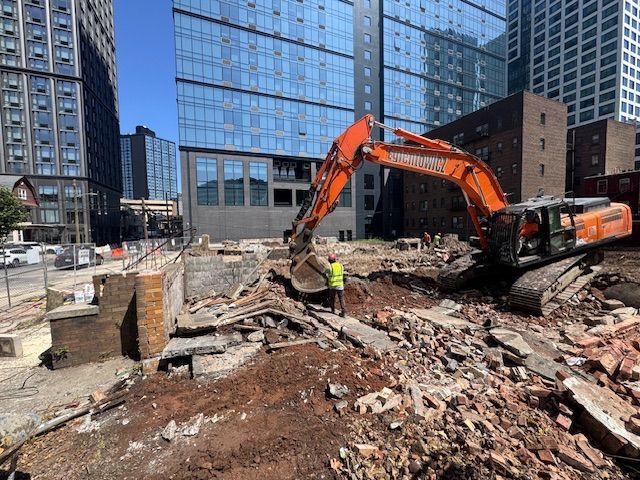
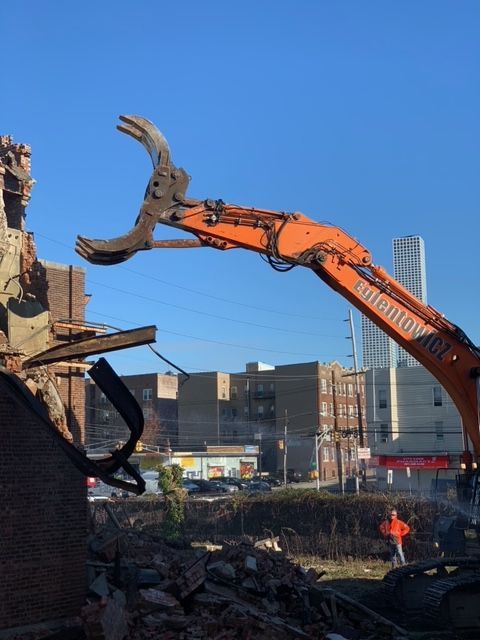
Demolishing a building in a busy city is very different from tearing down a structure on an open rural lot. Urban job sites are often surrounded by active streets, sidewalks, bike lanes, bus stops, businesses, and neighboring buildings. Heavy equipment, dump trucks, and debris removal all have to happen while the city around the site keeps moving. Without careful planning, a demolition project can create traffic jams, safety hazards, and frustration for drivers, pedestrians, and local businesses. That's where a traffic control plan comes in. A well-designed plan helps keep workers and the public safe, keeps traffic flowing, and allows demolition work to stay on schedule.
Understanding What a Traffic Control Plan Is
A traffic control plan is a detailed document that outlines how vehicles, pedestrians, and cyclists will be safely guided around or through a work zone. It typically includes diagrams showing lane closures, detour routes, sign placement, barricades, cones, and flagger locations. The plan also identifies where equipment will be staged, how trucks will enter and exit the site, and how sidewalks or crosswalks will be managed. Many plans follow the guidelines in the Manual on Uniform Traffic Control Devices, which sets national standards for signs, signals, and markings in work zones. For urban demolition, a traffic control plan is often required before a city will issue permits. Our local demolition team develops these plans early in the project so that safety and traffic flow are addressed from day one.
Protecting Pedestrians and Cyclists
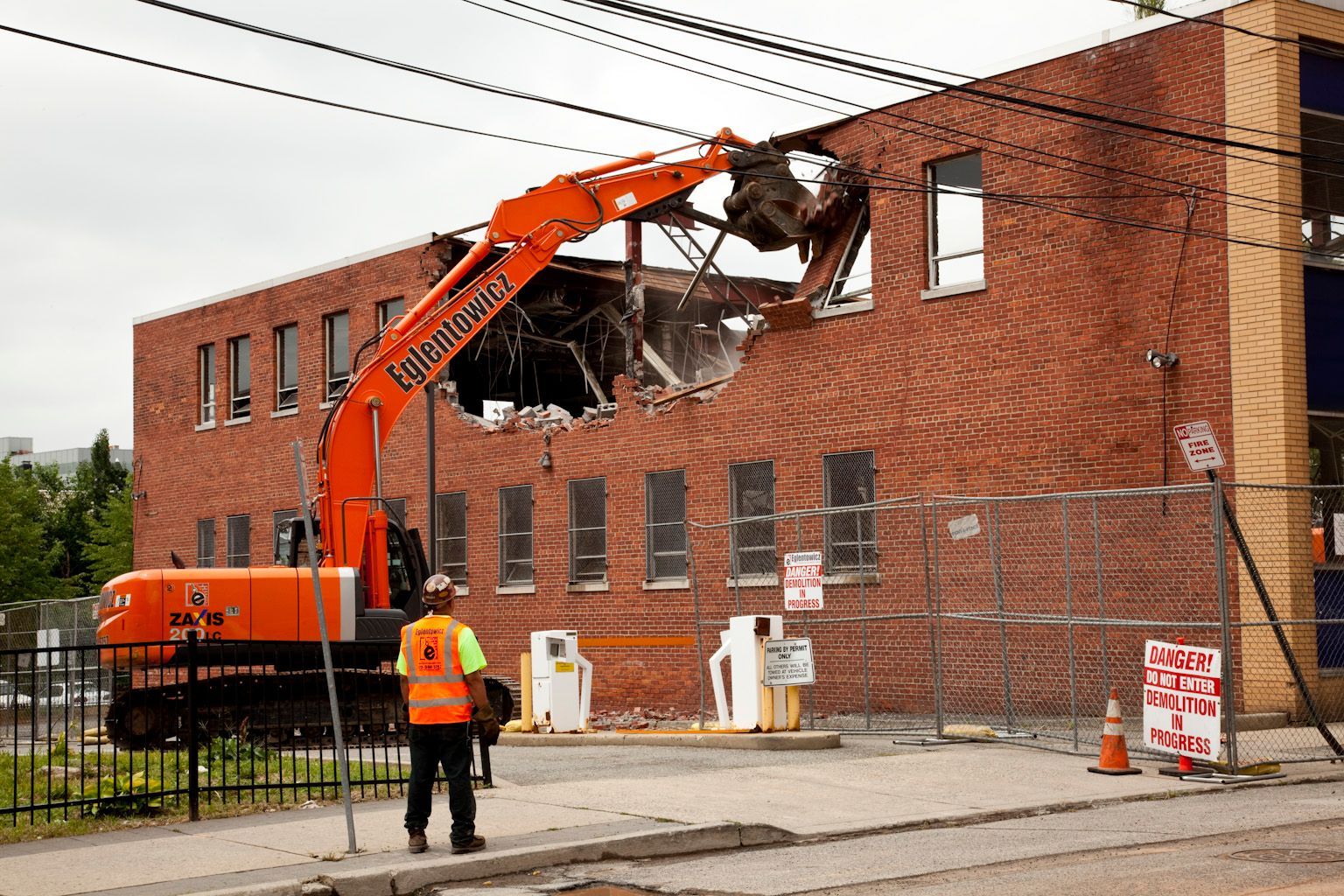
Urban demolition sites often sit right next to busy sidewalks, and protecting pedestrians is one of the top priorities of any traffic control plan. Falling debris, dust, moving equipment, and trucks backing in and out of the site can all pose serious risks. A good plan may include covered walkways, temporary sidewalk closures with clearly marked detours, or protected pedestrian lanes separated from the work zone by barriers. Accessibility is also important, so detours should accommodate people using wheelchairs, strollers, or mobility aids. Cyclists need similar attention, especially when bike lanes are affected. Clear signage, safe alternate routes, and physical barriers help keep everyone moving safely around the site. Lighting along temporary walkways is also important for projects that continue into the evening or take place during shorter winter days.
Managing Lane Closures and Detours
Many urban demolition projects require partial or full lane closures to make room for equipment, debris containers, and truck access. A traffic control plan outlines exactly which lanes will be closed, for how long, and how traffic will be redirected. Proper signage placed well in advance of the work zone gives drivers time to adjust their speed and merge safely. Detour routes are carefully selected to minimize disruption to nearby neighborhoods and businesses. Flaggers may be stationed at key points to guide traffic during equipment movement or truck loading. Coordinating these details with city officials helps reduce congestion and keeps emergency vehicles, buses, and delivery trucks moving through the area. On local demolition projects, thoughtful lane management can make the difference between a smooth job and a traffic headache.
Planning Safe Truck Routes and Haul Access
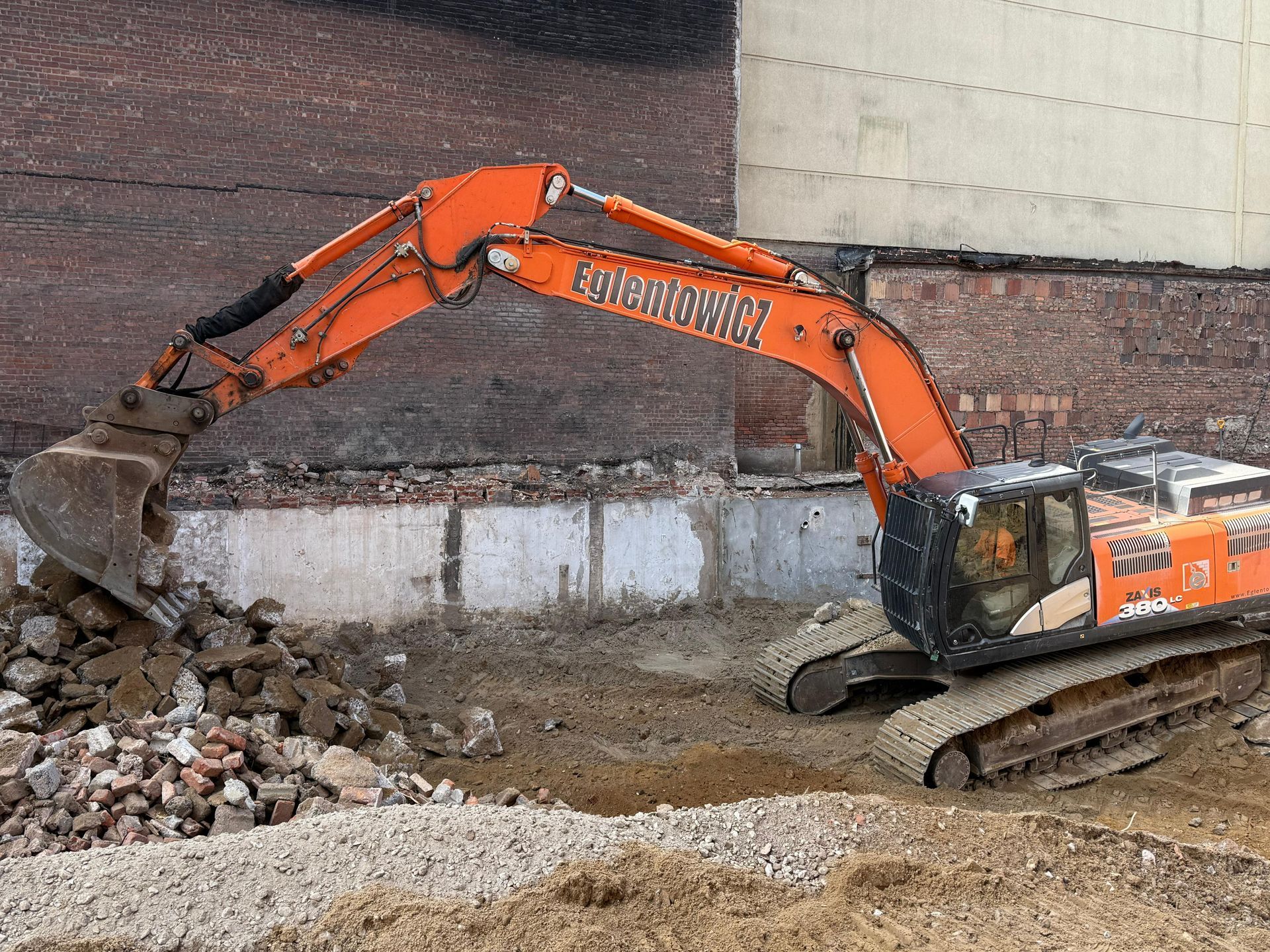
Demolition generates a large amount of debris, and removing it requires frequent truck trips to and from the site. A traffic control plan identifies approved haul routes that avoid weight-restricted roads, low bridges, school zones, and congested intersections whenever possible. It also designates safe entry and exit points so trucks can enter and leave the work zone without blocking traffic or endangering pedestrians. Many urban projects also prioritize recycling to reduce the amount of material sent to landfills. According to Utilities One, as much as 80% of the concrete waste produced by construction and demolition work can be recycled. Hauling materials to recycling facilities adds another layer of planning, since trucks may need routes to multiple destinations. Efficient haul planning helps local demolition crews remove debris quickly while limiting their impact on surrounding streets.
Scheduling Work Around Peak Traffic Times
Timing plays a major role in reducing traffic disruptions. Traffic control plans often schedule the most disruptive activities, such as large equipment deliveries, crane operations, or major debris removal, during off-peak hours. Early mornings, late evenings, or weekends may be used to avoid rush-hour congestion. However, cities may also have noise ordinances that limit when certain work can take place, so schedules must balance traffic concerns with community quality of life. Coordinating with local authorities helps find the best windows for each phase of the project. When work is timed carefully, local demolition projects can move forward efficiently while keeping disruptions to a minimum for commuters and neighbors.
Coordinating With City Agencies and Utilities
Urban demolition rarely happens in isolation. Traffic control plans must often be reviewed and approved by city transportation departments, public works offices, and sometimes police or fire departments. Utility companies may need to shut off or reroute gas, water, electric, and communication lines before work begins, which can require additional street access. Public transit agencies may need advance notice if bus stops or routes will be affected. Coordinating with all of these groups helps prevent conflicts, delays, and safety risks. Our experience with urban projects means we understand these approval processes and know how to keep communication flowing between all parties involved.
Communicating With the Community
Neighbors, businesses, and commuters appreciate knowing what to expect before work begins. Effective traffic control plans often include a communication strategy that keeps the public informed. This may involve posting notices in the neighborhood, placing advance warning signs on nearby streets, sharing updates with local businesses, and working with city officials to publish detour information. Businesses may be especially concerned about customer access, parking, and deliveries, so maintaining open communication helps address concerns early. Clear, proactive communication builds trust and reduces frustration, helping the community feel more comfortable with the project taking place nearby. Providing a point of contact for questions or concerns also gives neighbors a simple way to stay informed and report any issues they notice.
Monitoring and Adjusting the Plan
A traffic control plan isn't something that's created once and forgotten. Conditions on a demolition site can change daily as the project moves from one phase to the next. Equipment needs may shift, new hazards may appear, or traffic patterns may respond differently than expected. Regular inspections of signs, barriers, and detours help make sure everything remains in place and visible. Crews may need to adjust lane closures, add signage, or update pedestrian routes as work progresses. Staying flexible and responsive allows local demolition teams to maintain safety and efficiency throughout the entire project. Daily safety briefings also keep crews aware of any changes to traffic patterns or site access.
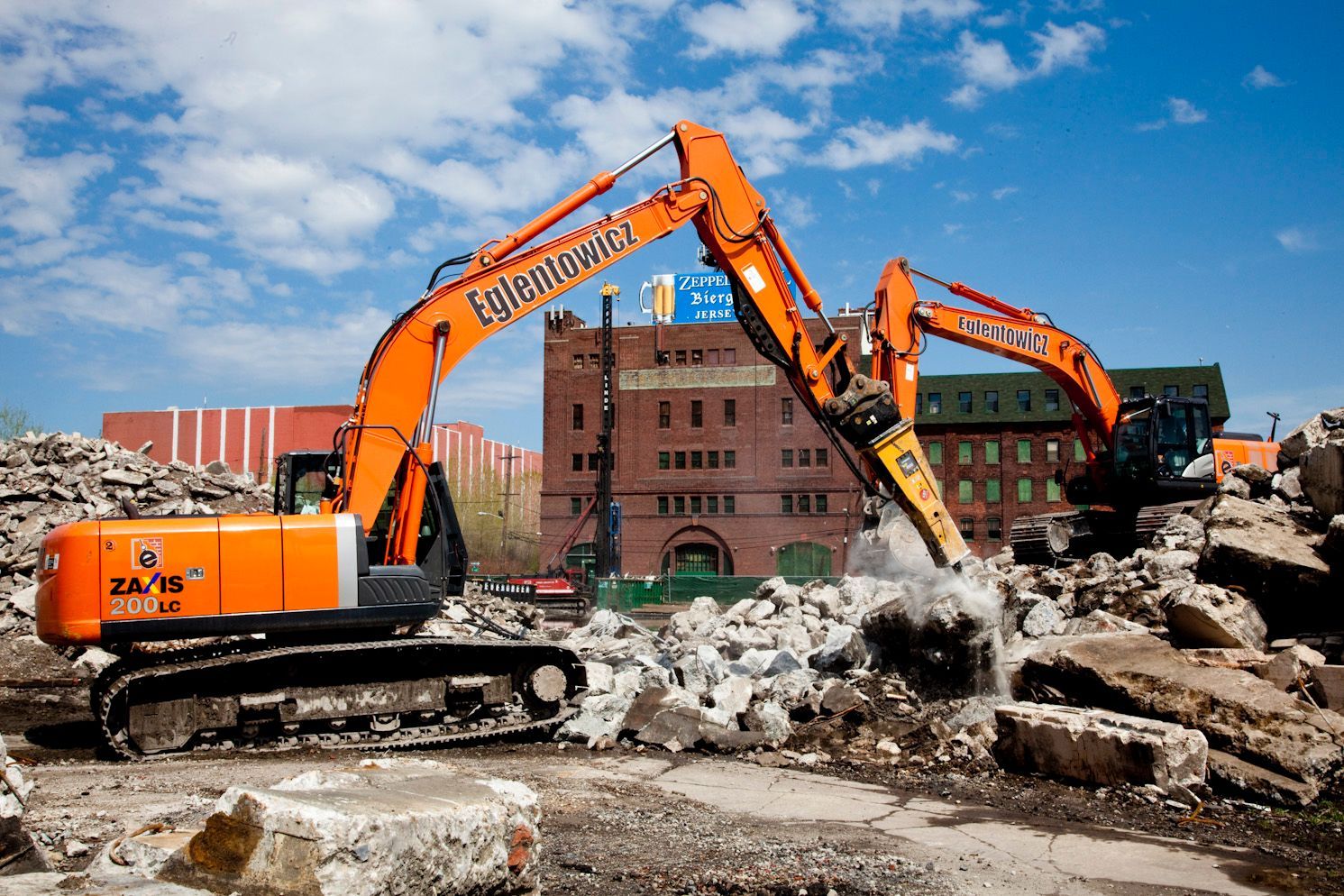
At Eglentowicz Demolition & Environmental Company, we understand that successful urban demolition requires much more than heavy equipment. Our team carefully plans every detail, including traffic control, to protect workers, pedestrians, and drivers while keeping projects on schedule. As a trusted local demolition contractor, we coordinate with city agencies, manage safe haul routes, and prioritize recycling and responsible debris removal whenever possible. From the first site assessment to the final cleanup, we're committed to completing every project safely and efficiently with minimal disruption to the surrounding community. Contact Eglentowicz Demolition & Environmental Company today to discuss your next demolition project.


















Share On: