
What Happens During the Final Site Cleanup After Demolition?
Final site cleanup is an important part of any demolition project. Once a structure has been removed, the property must be cleared, evaluated, and prepared for its next use. Demolition services involve more than tearing down a building. They also require careful debris management, environmental assessment, utility coordination, grading, documentation, and final inspections. Completing these steps properly helps create a safe, stable, and compliant site for future construction or redevelopment.
Manage and Remove Site Debris
Sort and Identify Materials
The first cleanup step is identifying and separating the materials left behind. Debris may include concrete, wood, metal, glass, and potentially hazardous materials. Proper sorting helps determine which materials can be recycled, reused, or sent to an appropriate disposal facility. Because demolition projects can generate significant amounts of waste, organized debris management is an essential part of demolition services. According to Resource Central, 200,000 to 300,000 buildings are demolished each year.
Remove Hazardous Materials
Hazardous materials require special attention during cleanup. Substances such as asbestos, lead, and certain chemicals may create health and environmental risks if they are handled incorrectly. Trained professionals use appropriate procedures and protective equipment to remove these materials safely. Proper disposal also helps ensure the project meets applicable environmental and waste-management requirements.
Recycle Suitable Materials
Many materials recovered from a demolition site can be recycled rather than sent to a landfill. Metals, concrete, and other suitable materials may be separated and transported to recycling facilities. Recycling can reduce landfill waste and support more sustainable construction practices. Careful material separation makes the cleanup process more efficient while helping conserve resources.
Transport Remaining Debris
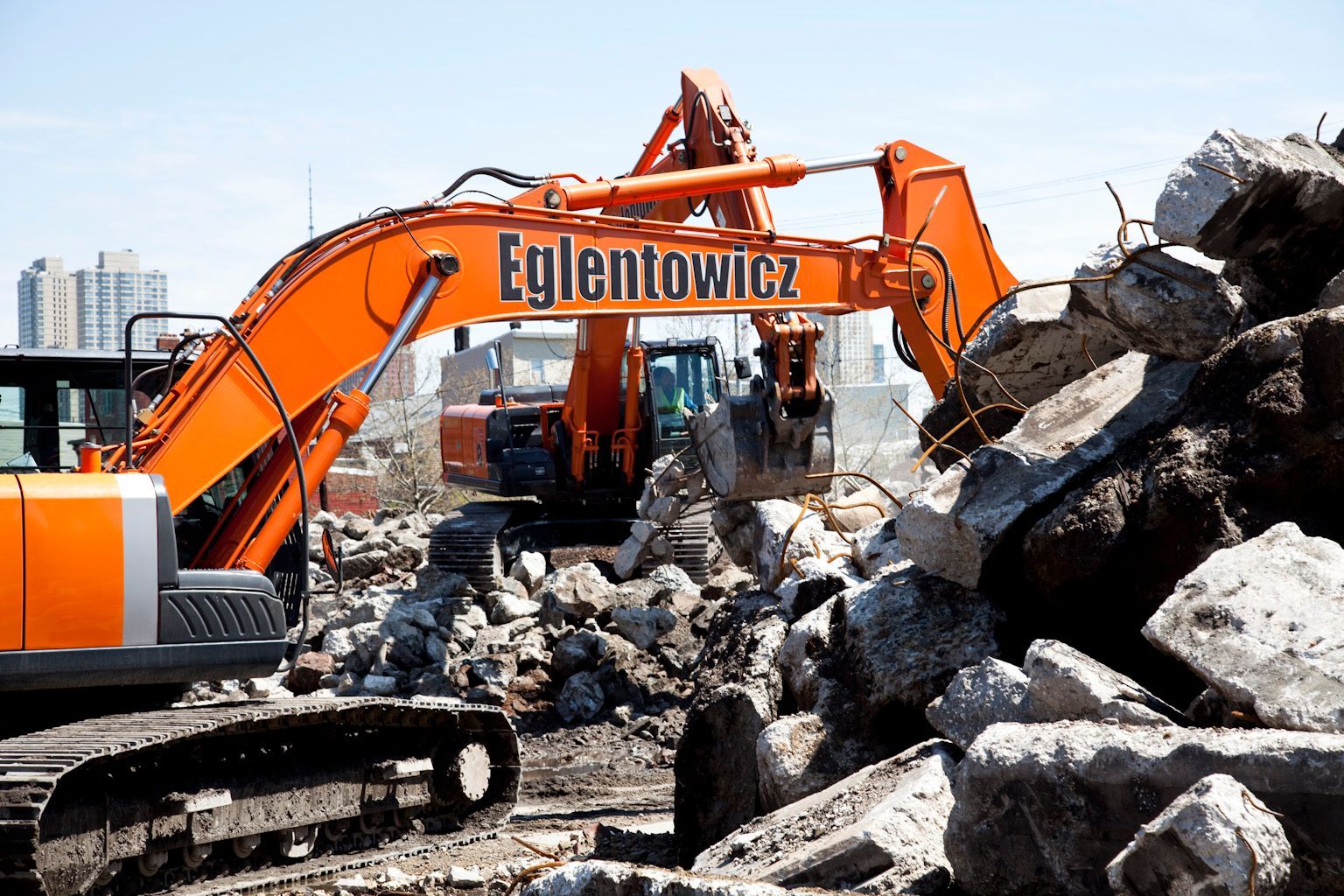
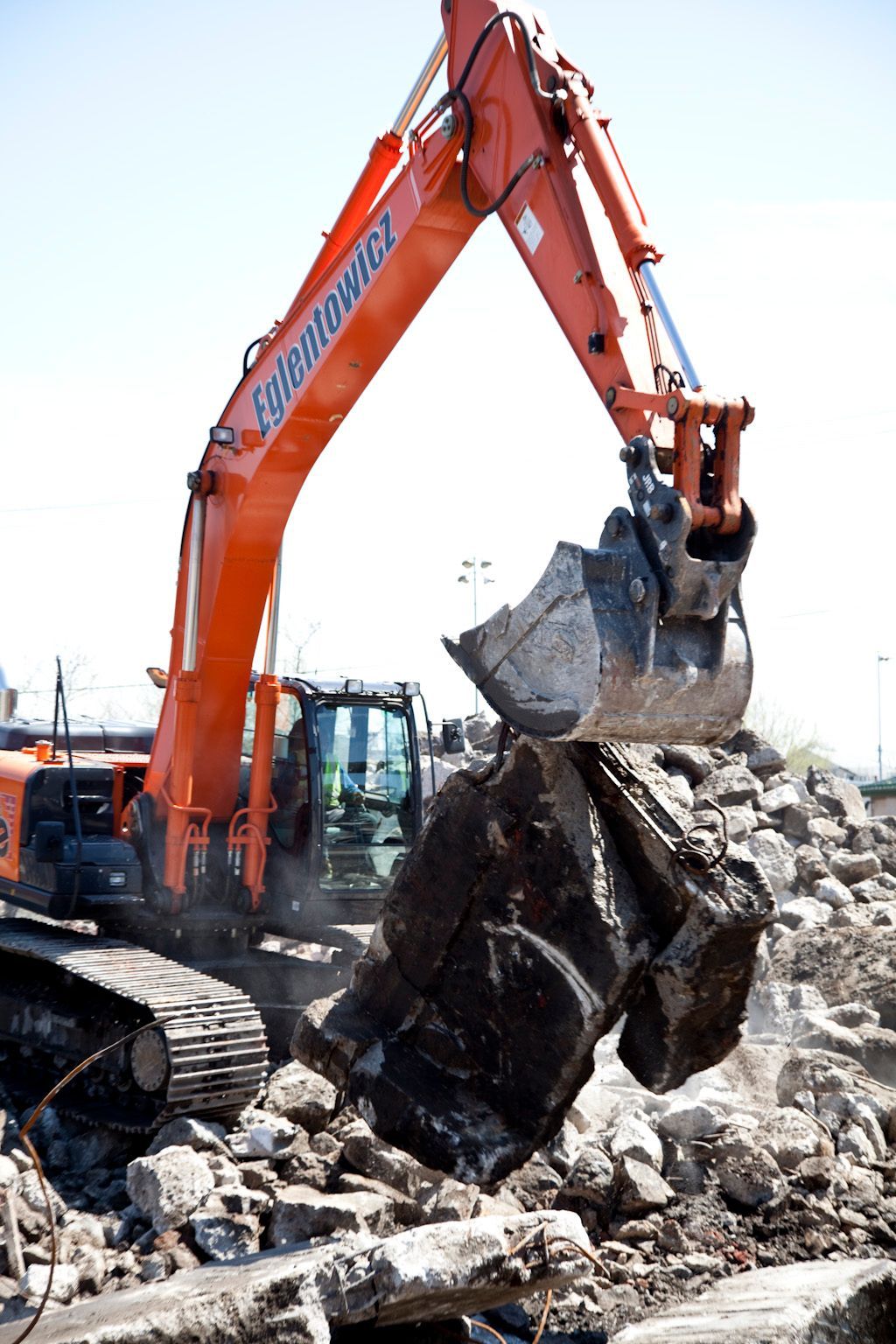
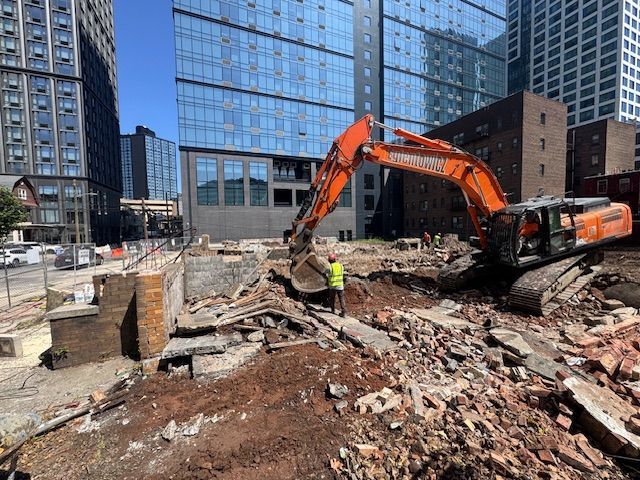
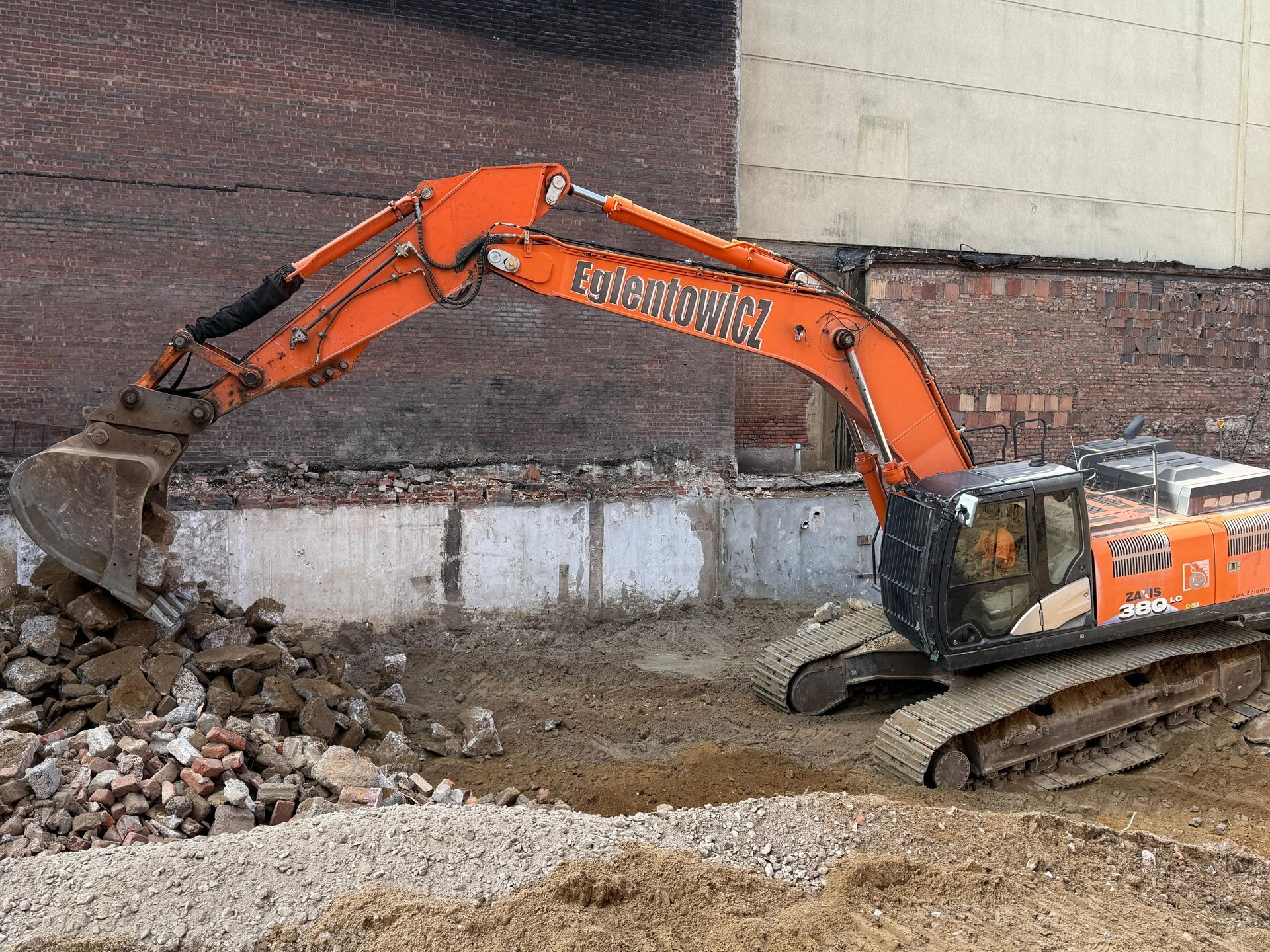
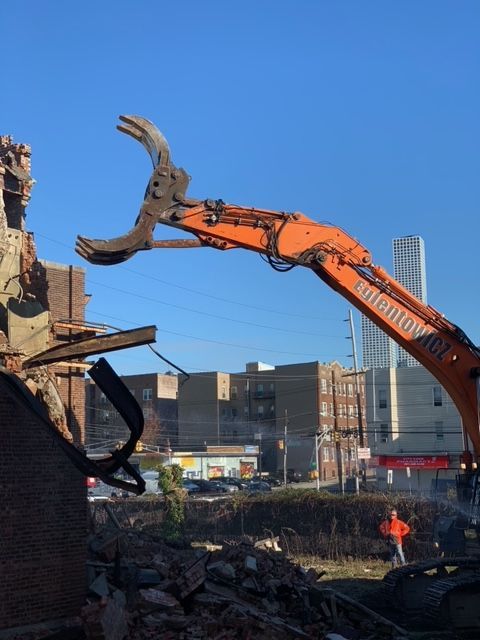
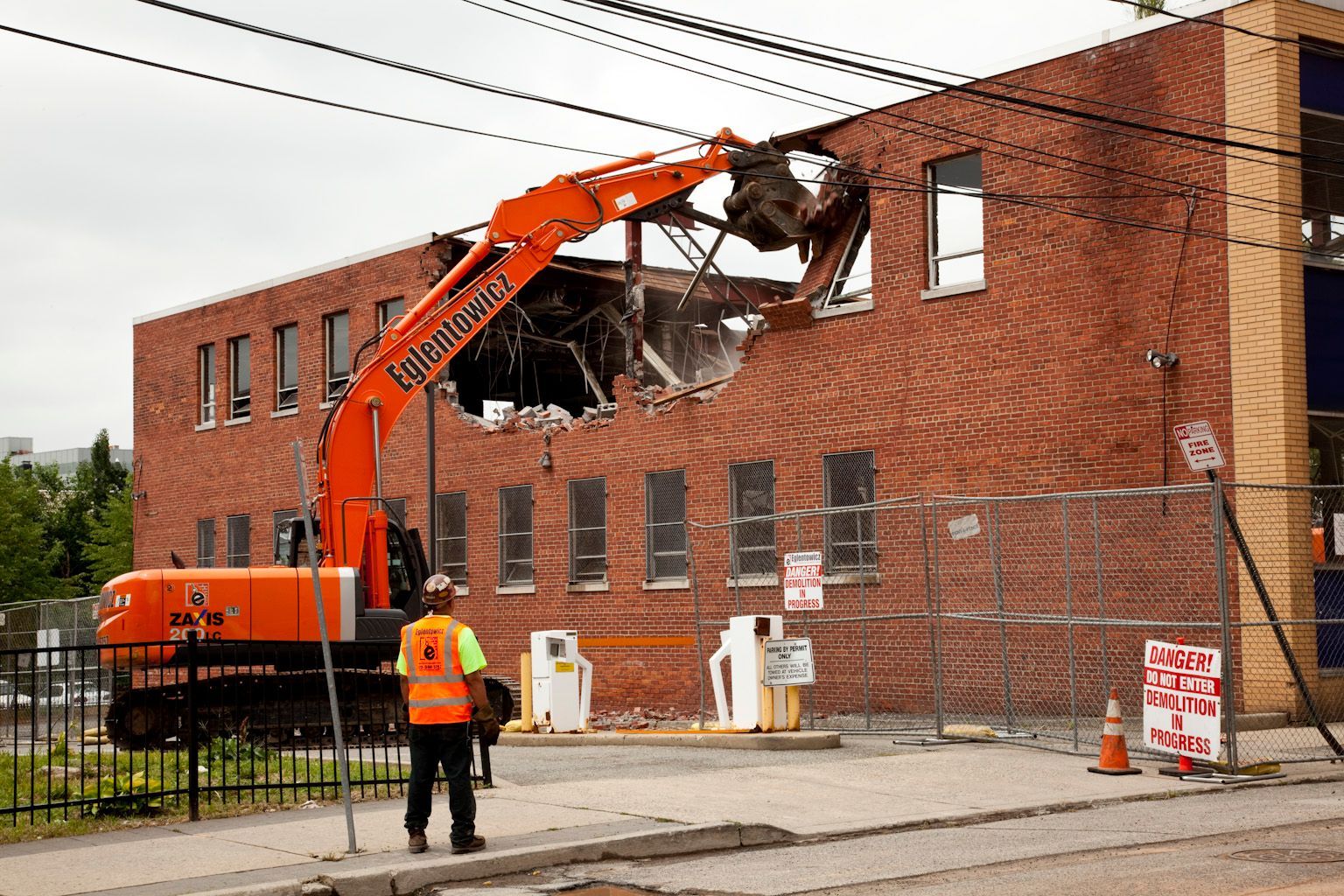
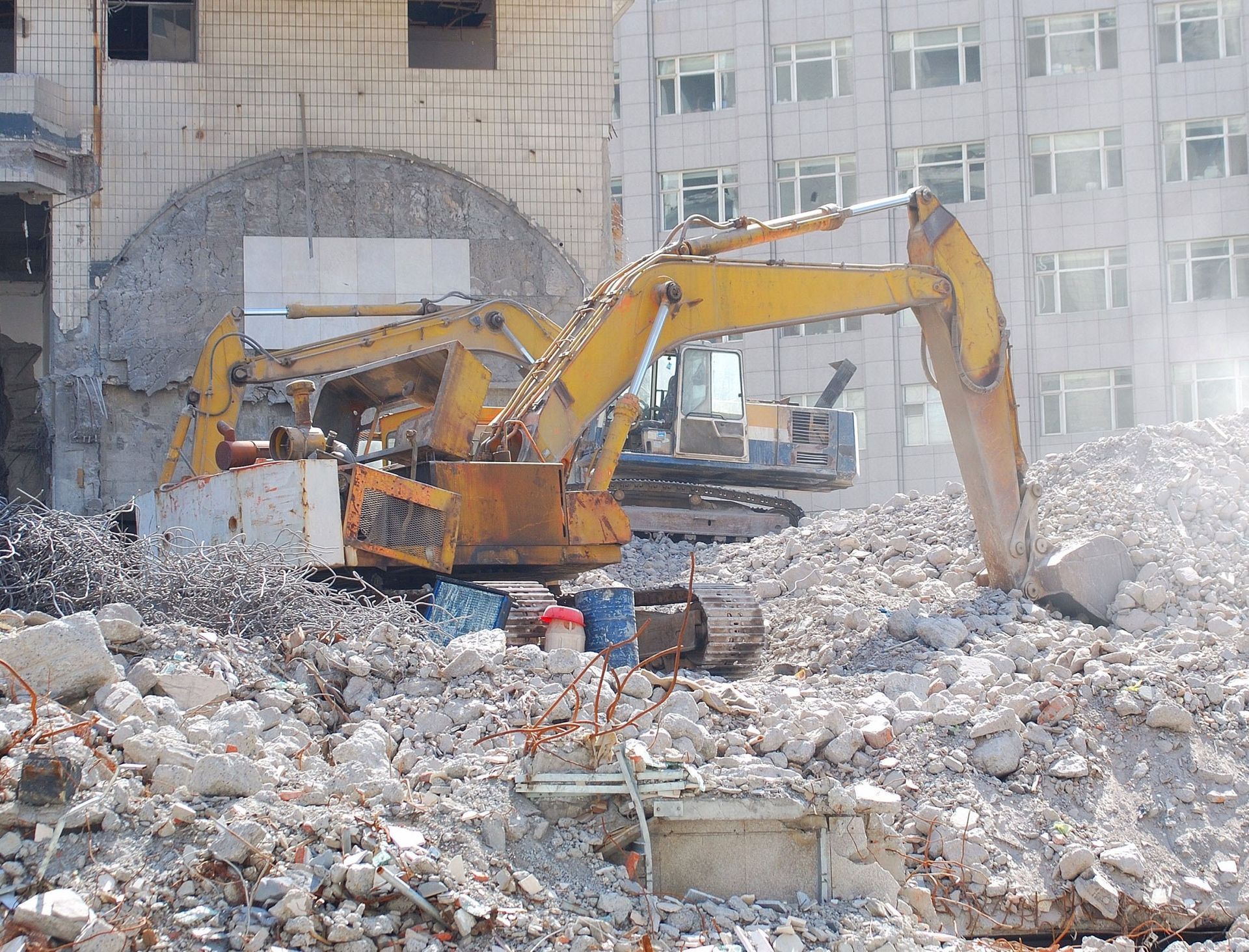
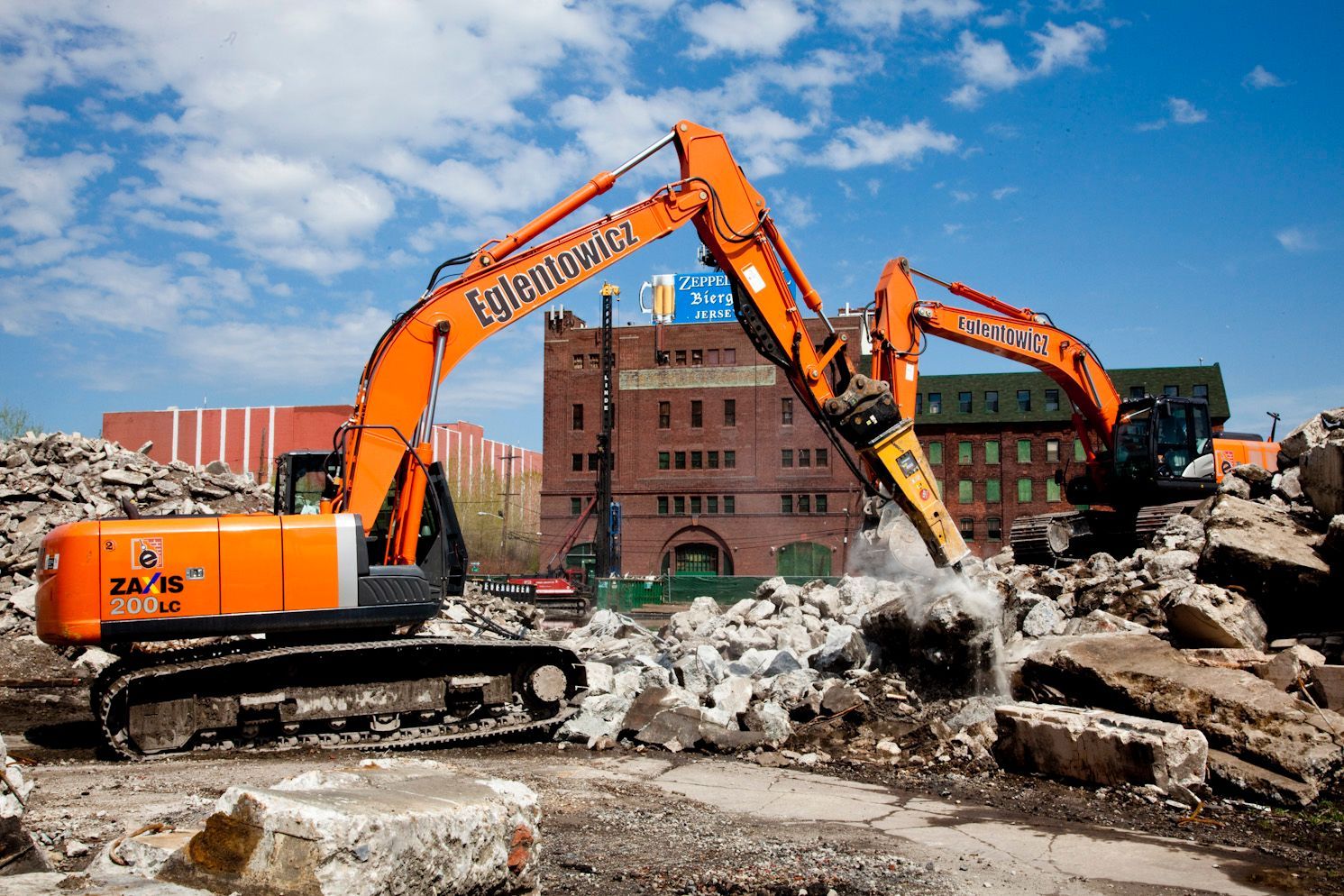
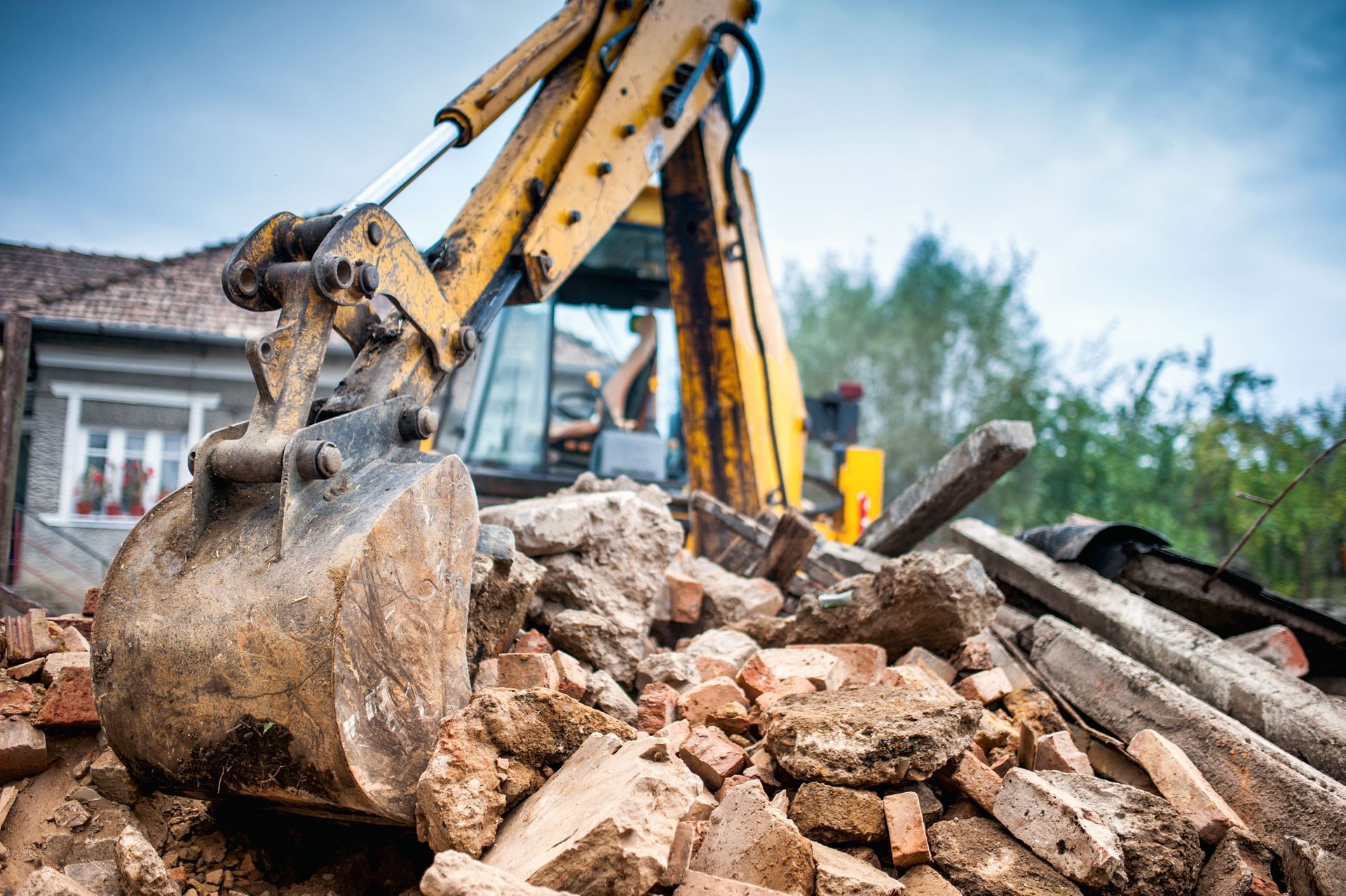
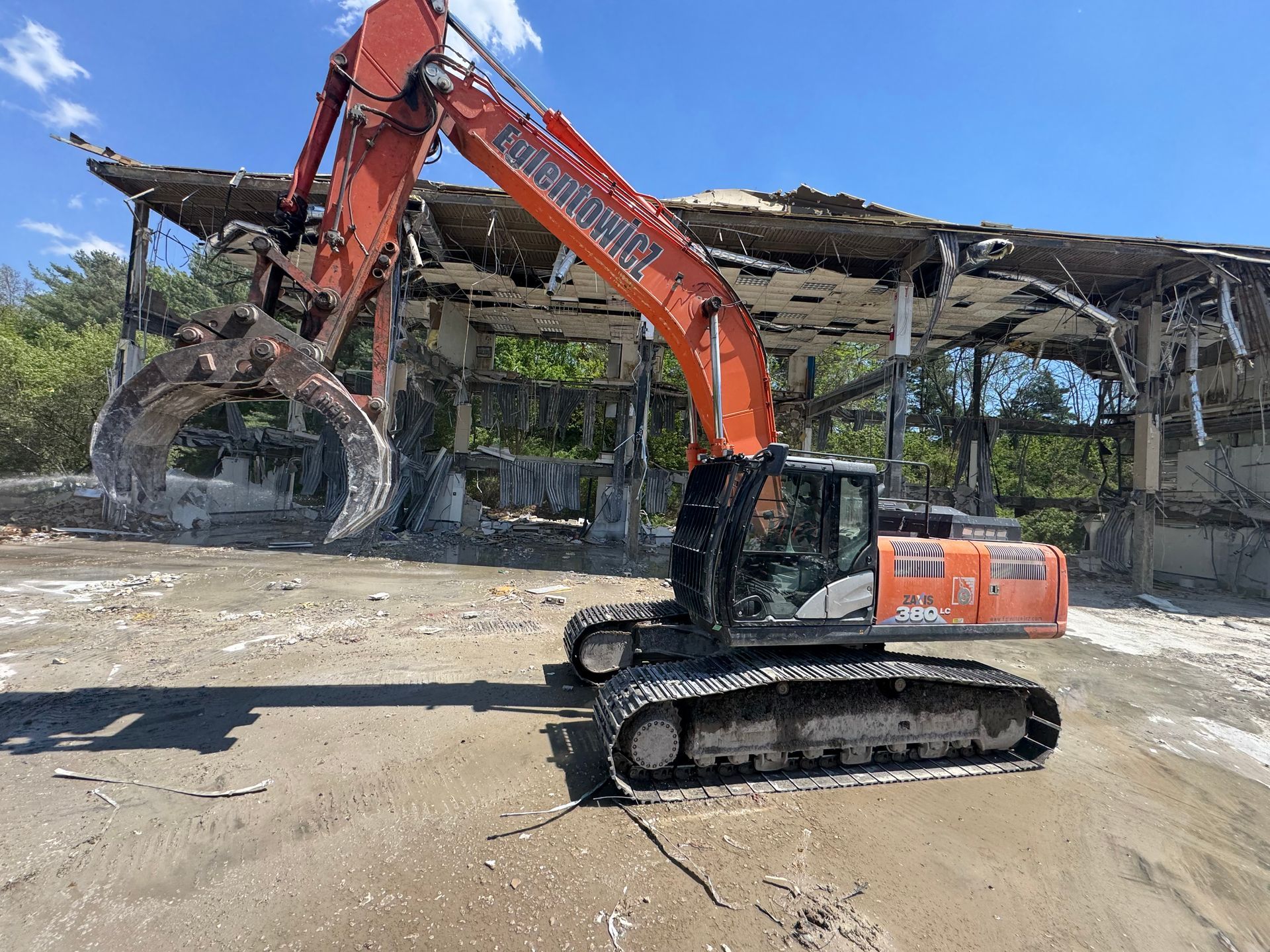
After materials have been sorted, the remaining debris must be removed from the property. Excavators, loaders, trucks, and other equipment may be used depending on the size and conditions of the site. Equipment operators must work carefully around remaining structures, utilities, and other potential hazards. Efficient transportation keeps the project moving and leaves the property ready for the next phase of cleanup.
Assess and Remediate the Soil
Evaluate Soil Conditions
Once debris has been removed, the soil may need to be evaluated for contamination or other problems. Demolition services and previous uses of a property can leave behind substances such as heavy metals or hydrocarbons. Soil testing helps determine whether remediation is necessary before the property can be safely redeveloped.
Test for Contamination
Environmental professionals can collect and analyze soil samples to identify potential contaminants. The testing approach depends on the property's history, soil conditions, and suspected pollutants. The results help determine whether additional treatment or excavation is required. Accurate testing is an important part of demolition services when environmental concerns are present.
Remove Contaminated Soil
If testing identifies significant contamination, affected soil may need to be excavated and transported for appropriate treatment or disposal. This work requires careful planning to prevent contaminants from spreading to other areas. Specialized contractors and equipment may be needed depending on the type and extent of contamination.
Apply Appropriate Remediation
Not every contaminated site requires the same solution. Depending on the circumstances, remediation may involve excavation, treatment, or other approved methods. The selected approach should account for the contaminants involved, site conditions, and future land use. Proper remediation helps protect people, the surrounding property, and the environment.
Monitor Remediation Results
Follow-up testing can confirm whether remediation efforts have achieved the required results. Additional sampling may be necessary before the property receives approval for its next use. Documentation of these activities also provides a record that environmental concerns were properly addressed.
Disconnect and Manage Utilities
Locate Existing Utility Lines
Utilities such as electricity, gas, water, and sewer systems must be identified and addressed as part of the demolition process. Knowing where these systems are located helps prevent damage and dangerous situations. Utility providers may need to verify line locations and service conditions before work proceeds.
Complete Required Disconnections
Utility disconnections should be coordinated with the appropriate providers. Scheduled shutoffs and verification procedures help confirm that lines are no longer active before workers continue with cleanup. Proper documentation of each disconnection can also help satisfy safety and regulatory requirements.
Remove Utility Equipment
After services have been disconnected, meters and other equipment may need to be removed. Depending on the property, this could include electrical equipment, piping, or other utility-related components. These tasks should be handled by qualified personnel familiar with the associated hazards and provider requirements.
Document Utility Work
Keeping records of utility disconnections, equipment removal, dates, inspections, and communications provides a clear project history. Thorough documentation can be useful during final inspections and helps demonstrate that utility-related hazards were properly addressed.
Restore and Stabilize the Property
Evaluate Site Elevations
Demolition services can change the property's surface and leave uneven areas behind. Before grading begins, professionals evaluate elevations, slopes, contours, and drainage conditions. This information helps determine how the property should be reshaped for safe and effective future use.
Establish Proper Grades
Grading creates appropriate surface levels and helps direct water away from areas where it could cause erosion, flooding, or structural problems. The grading plan should account for the property's future development and local site conditions. Proper grading is an important part of preparing a cleared property for construction.
Improve Drainage Conditions
Water management should be considered before final restoration is complete. Depending on the site, drainage improvements may include swales, channels, retaining features, or other solutions designed to control water flow. Effective drainage helps protect soil stability and reduces the potential for water-related damage.
Compact and Stabilize Soil
Loose soil can create settlement problems during future construction. Compaction equipment can improve soil density and provide a more stable surface. Additional stabilization methods may be considered when site conditions or future construction requirements call for them.
Prepare for Future Construction
Once the property has been graded and stabilized, it can be prepared for its next phase. Surveys and site evaluations help ensure the restored property aligns with future plans. Thorough preparation can reduce construction complications and create a smoother transition from demolition services to redevelopment.
Complete Compliance and Documentation
Review Cleanup Requirements
Every demolition project must follow applicable environmental, safety, and waste-management requirements. Local rules can vary based on the property and planned redevelopment. Reviewing these requirements throughout the cleanup process helps prevent unnecessary delays and compliance problems.
Verify Environmental Compliance
Environmental requirements may cover debris disposal, hazardous materials, soil remediation, and other aspects of cleanup. Appropriate professionals can help verify that required procedures were followed and that supporting documentation is complete.
Prepare Inspection Records
Inspection reports provide a written record of site conditions and completed cleanup activities. These records may document debris removal, remediation, utility work, grading, and corrective actions. Organized reports make it easier to demonstrate that project requirements have been met.
Maintain Cleanup Documentation
Waste disposal records, permits, testing results, inspection reports, and other project documents should be retained. Maintaining these records provides valuable information for regulators, property owners, contractors, and future development teams.
Secure Final Approvals
Depending on the project, final approval may require inspections or documentation from local authorities and other organizations. Completing these requirements confirms that the property is ready to move forward according to applicable standards.
Final site cleanup is a detailed process that extends well beyond removing demolition debris. From sorting materials and addressing hazardous waste to evaluating soil, disconnecting utilities, restoring the ground, completing documentation, and conducting final inspections, every step contributes to a safe and usable property. Proper planning and professional execution help minimize environmental risks while preparing the site for its next purpose. For dependable demolition services and thorough site cleanup, contact Eglentowicz Demolition & Environmental Company to discuss your project and its specific requirements.













Share On: