
What Is Industrial Dismantling and When Is It Necessary?
Large industrial facilities represent the backbone of modern production and manufacturing, but these massive structures do not remain useful forever. As technology advances and corporate needs shift, many companies find themselves managing outdated factories, refineries, and warehouses that no longer serve their original purpose. Dealing with these massive properties requires a highly specialized approach that goes far beyond traditional wrecking balls and standard demolition practices. This specialized field is known as industrial dismantling, an intricate process focused on systematically taking apart heavy machinery, structural components, and entire plants. Understanding this process and recognizing when it becomes essential can help facility managers and property owners make informed decisions about their physical assets while protecting their financial investments and the surrounding environment.
Analyzing the Core Process
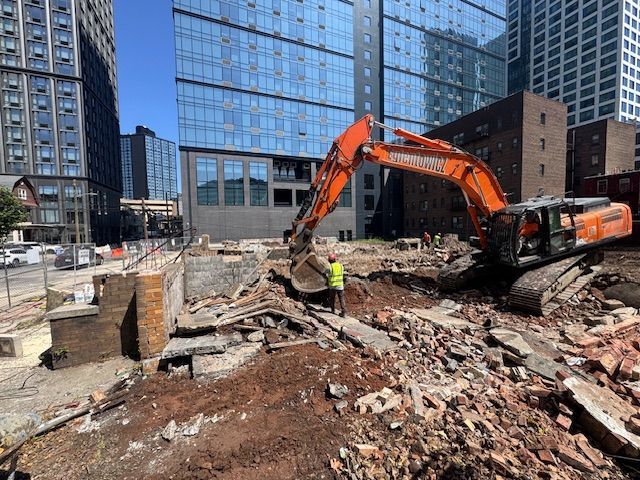
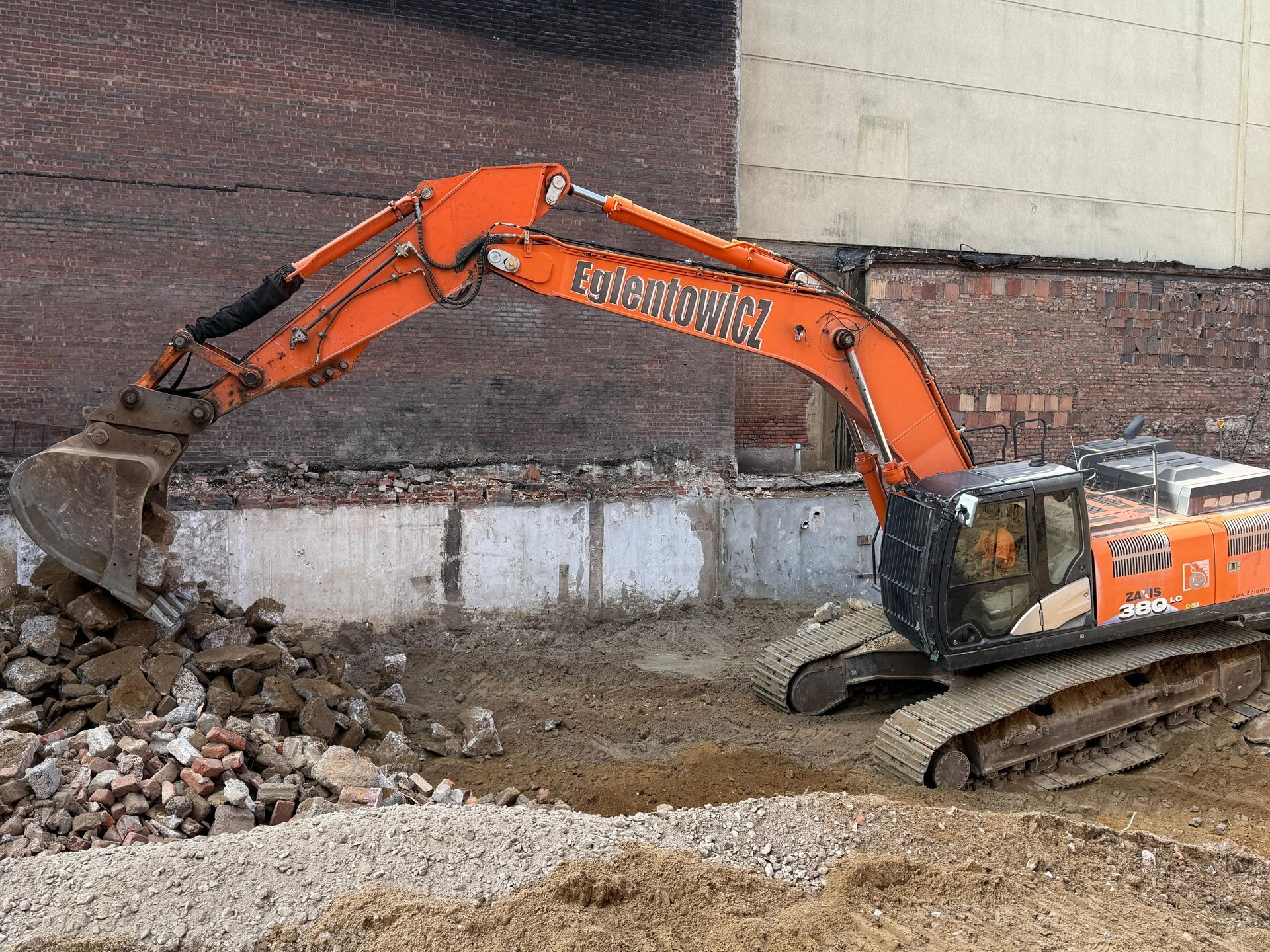
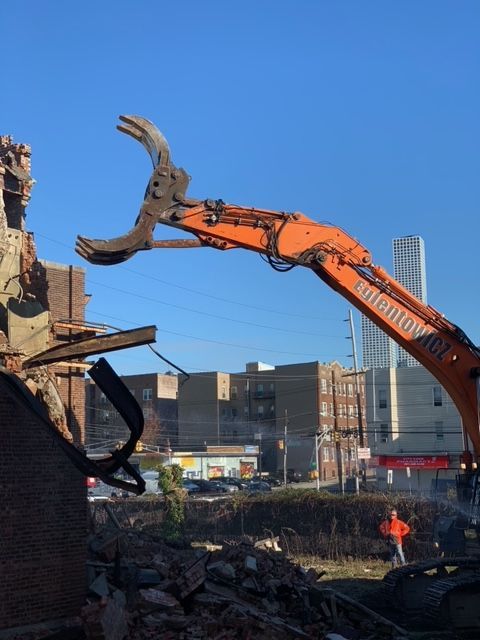
To fully grasp this concept, a person must look at how it differs from ordinary demolition work. Standard demolition often involves the total destruction of a building, turning walls and foundations into a pile of rubble that is immediately hauled away to a landfill. In contrast, industrial dismantling focuses on precision, organization, and preservation. Teams of experienced engineers and technicians carefully plan the deconstruction of complex machinery, piping networks, and structural steel beams. Every step is mapped out ahead of time to ensure that valuable assets remain intact throughout the entire operation. This meticulous method allows companies to salvage expensive machinery, recycle valuable metals, and prepare the land for future commercial use without causing unnecessary destruction.
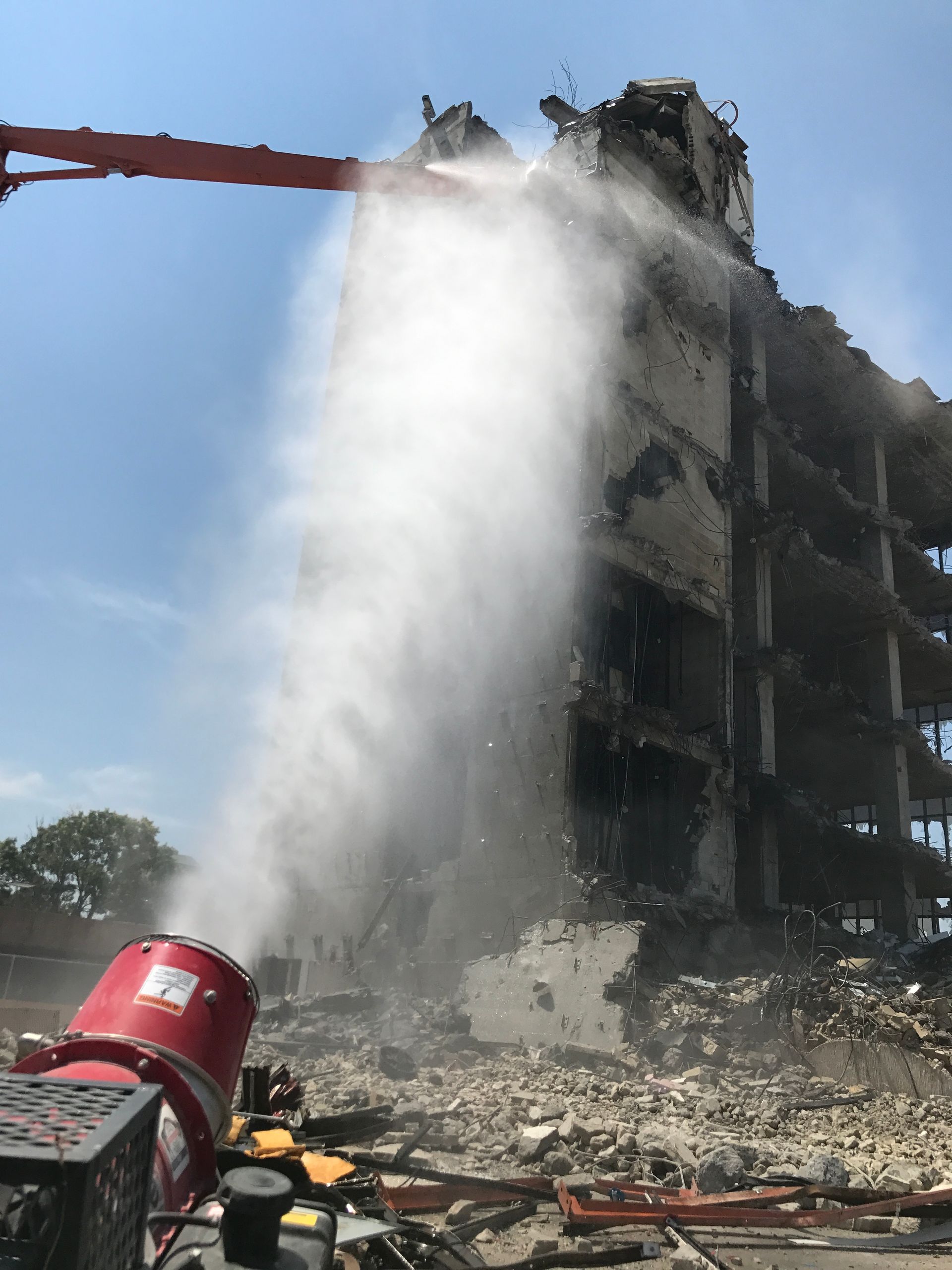
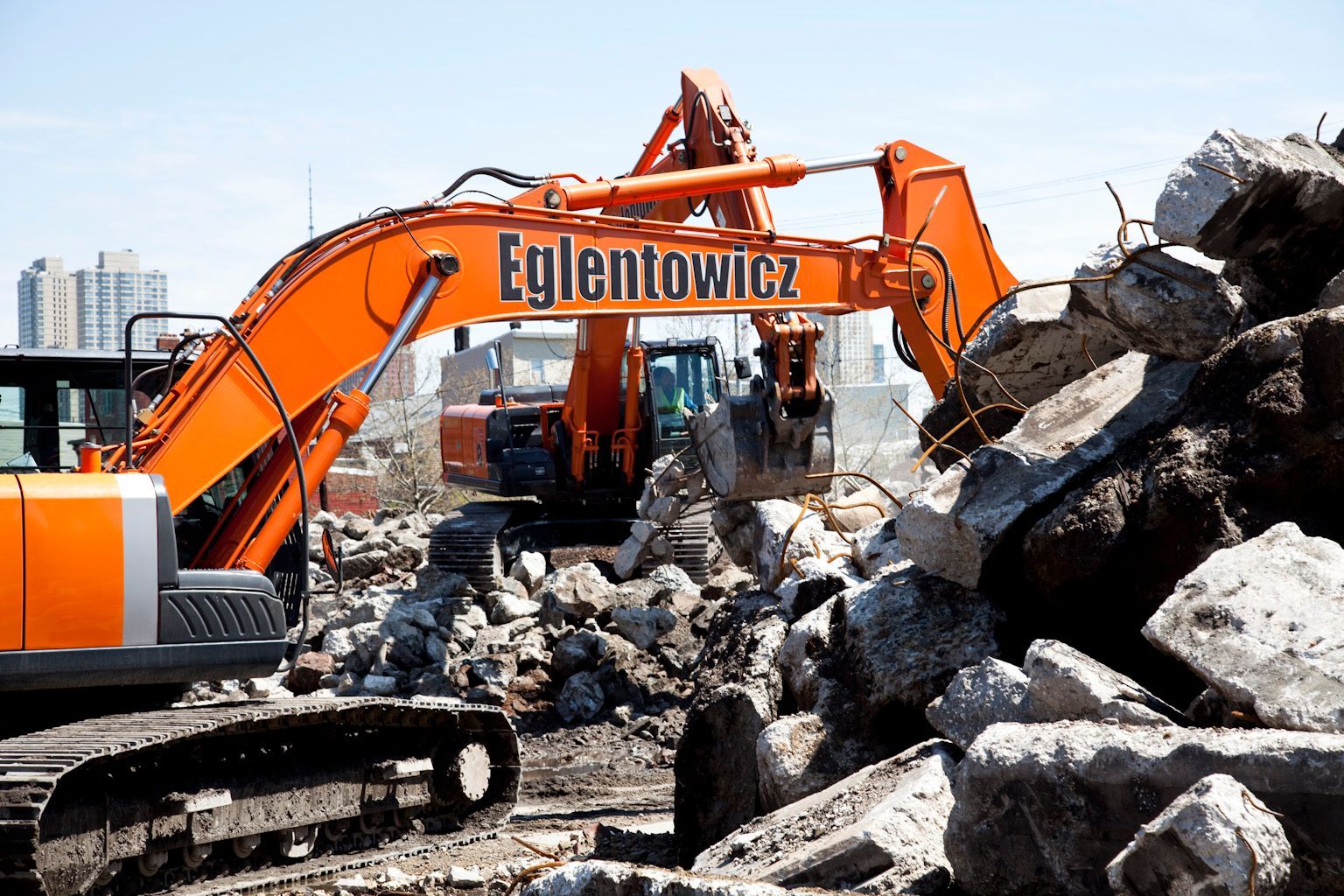
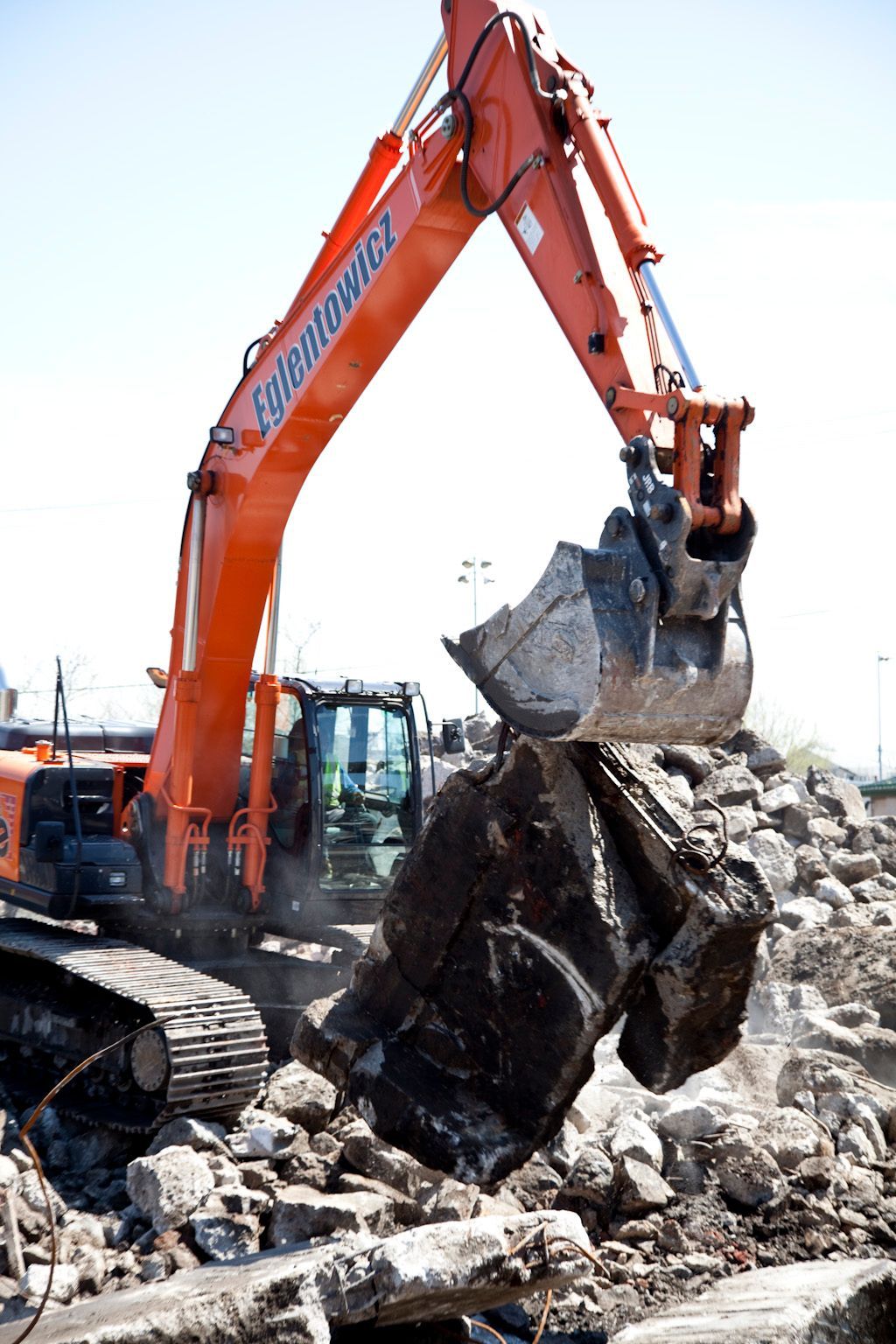
The overall procedure requires specialized tools and deep technical knowledge to execute safely. Heavy cranes, precision torches, and advanced rigging equipment are routinely utilized to lower massive components from high platforms. Workers must understand the structural integrity of the facility to prevent premature collapses during the extraction process. Furthermore, this selective method minimizes disruptions to any ongoing operations that might be occurring elsewhere on the property. By systematically unbolting, cutting, and removing specific sections of a factory, operators can clear out old components while keeping the rest of the business running smoothly. This balanced approach makes industrial dismantling an invaluable service for modern enterprises seeking to modify their physical footprint.
Upgrading the Plant Equipment
A frequent reason companies require industrial dismantling is the need to modernize their production lines. Manufacturing technology evolves at a rapid pace, rendering older machinery inefficient and expensive to maintain over time. When a factory decides to transition to automated systems or more energy-efficient hardware, the old infrastructure must be carefully extracted to make room for the new arrivals. Simply smashing the old equipment is rarely an option, as the surrounding floors, walls, and utility lines must remain undamaged to support the incoming systems. Specialized technicians can enter the space and remove the obsolete equipment piece by piece, ensuring that the structural envelope of the building remains completely secure.
Modernization efforts also often involve reclaiming valuable space within an active facility. Over many decades, a plant might accumulate obsolete machinery that sits idle, taking up floor space that could be utilized for storage or new assembly lines. By employing industrial dismantling services, facility managers can target these specific areas and clear them out efficiently. This selective removal process allows corporations to optimize their current layouts without investing in entirely new real estate. Upgrading your equipment through systematic deconstruction ensures that your facility stays competitive in a demanding marketplace while maximizing the utility of your existing property.
Managing the Environmental Waste
Environmental sustainability represents another critical factor that drives the decision to choose systematic deconstruction over traditional demolition. Industrial sites often contain a wide variety of materials that can harm the local ecosystem if they are not handled with extreme care. Through careful planning, workers can isolate hazardous materials, separate different types of metals, and ensure that recyclable components do not end up in a local landfill. This conscious effort to reduce the ecological footprint of a project is becoming increasingly vital as global regulations tighten and landfill space becomes scarce. According to World Metrics, construction and demolition waste constitutes 30% of all waste hauled in roll-off dumpsters.
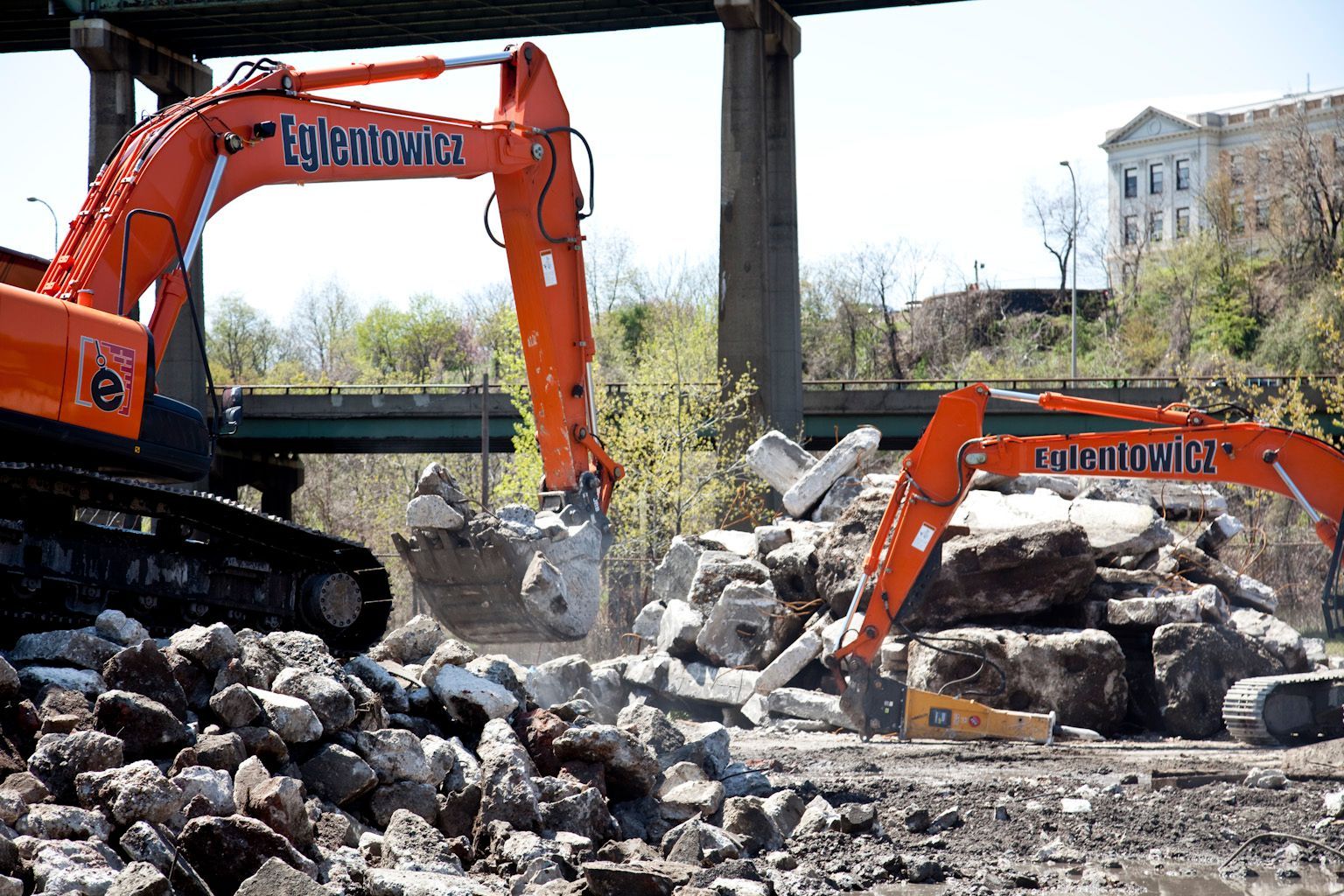
By focusing on material recovery, industrial dismantling significantly lowers the volume of debris that enters the waste stream. Copper wiring, structural steel, and heavy aluminum components can all be processed and melted down for future manufacturing needs. This circular economy approach not only protects natural resources but also provides a financial return for the property owner, who can sell the salvaged scrap metal to offset the total cost of the project. Choosing a sustainable path ensures compliance with strict environmental laws and demonstrates a commitment to corporate social responsibility that resonates positively with the community.
Relocating the Corporate Operations
Sometimes, a business must move its operations to a completely different geographical region due to shifting markets, tax incentives, or logistical advantages. When an entire manufacturing plant relocates, the company cannot simply leave its multimillion-dollar machinery behind or abandon the original site. In these situations, industrial dismantling offers the perfect solution by allowing heavy equipment to be carefully disassembled, cataloged, and prepared for secure transport. Every individual wire, bolt, and structural support can be labeled so that technicians can reassemble the entire system at the new location with minimal downtime.
This relocation strategy saves organizations massive amounts of capital that would otherwise be spent purchasing brand-new machinery for the new facility. Moving specialized equipment requires an intimate understanding of logistics, logistics scheduling, and heavy rigging. The dismantling crew works closely with transportation logistics experts to ensure that oversized loads are packed safely and moved across highways without incident. Once the components arrive at the new destination, the same detailed plans used during the initial breakdown guide the reinstallation process. This seamless transition ensures that production can resume quickly, maintaining supply chain continuity for customers around the world.
Mitigating the Safety Hazards
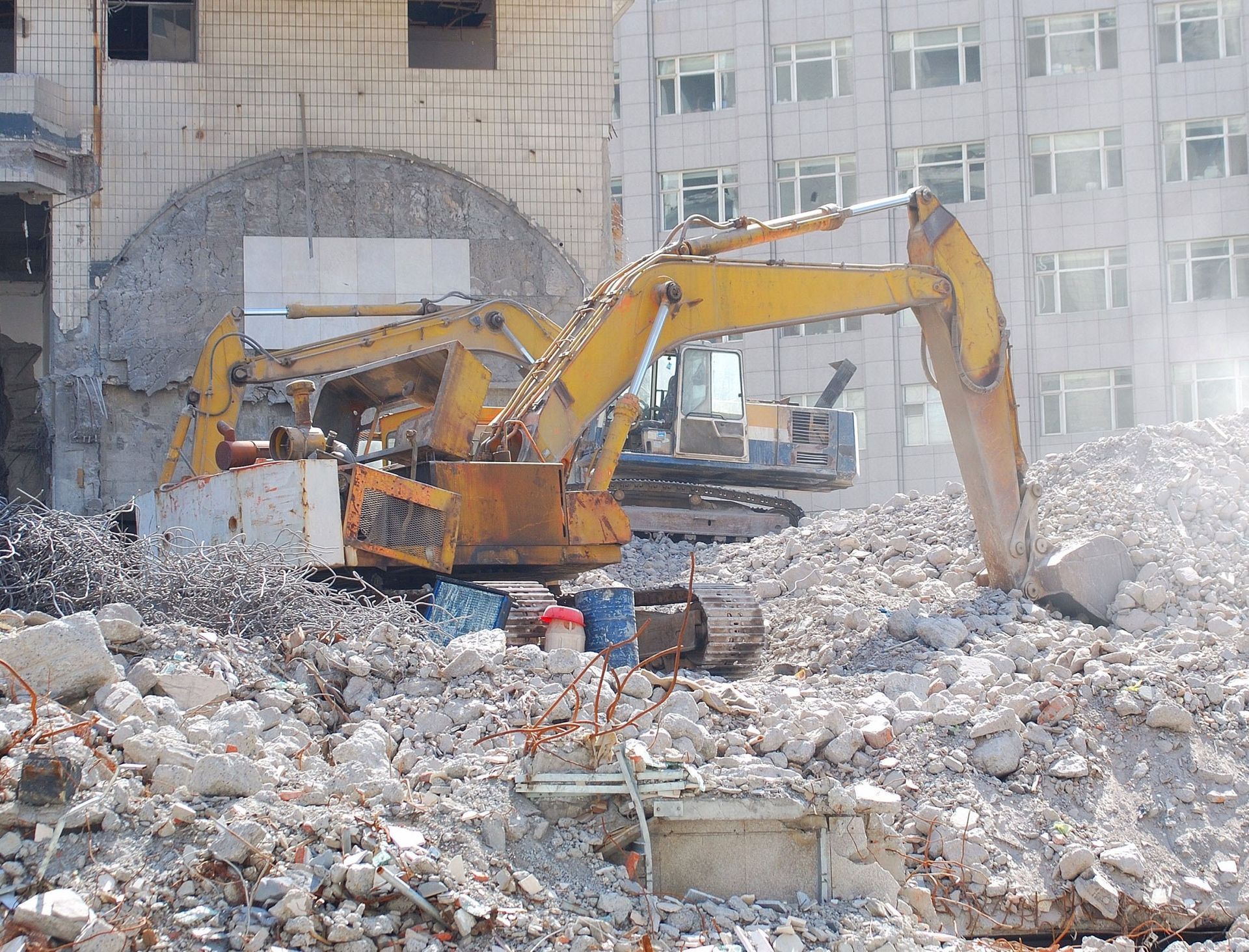
Aging industrial structures can pose severe safety risks to workers and the public if they are allowed to deteriorate over time. Abandoned factories, rusted storage tanks, and unstable warehouses can become liabilities for property owners, leading to potential structural failures or chemical leaks. When a building reaches the end of its operational lifespan, letting it sit vacant is a dangerous choice that can result in heavy fines and lawsuits. Utilizing industrial dismantling to systematically level these hazards eliminates the risks before an accident occurs, protecting both the community and the corporate bottom line.
The process of removing these hazards involves strict adherence to safety protocols and detailed risk assessments. Experienced crews identify weak points in the structure, stabilize precarious zones, and safely purge any residual chemicals from piping systems before physical deconstruction begins. This proactive management style prevents catastrophic accidents on site and ensures that nearby businesses and residential neighborhoods remain entirely safe throughout the duration of the project. Eradicating these physical liabilities paves the way for new developments, revitalizing the local economy and transforming an eyesore into a productive piece of land once again.
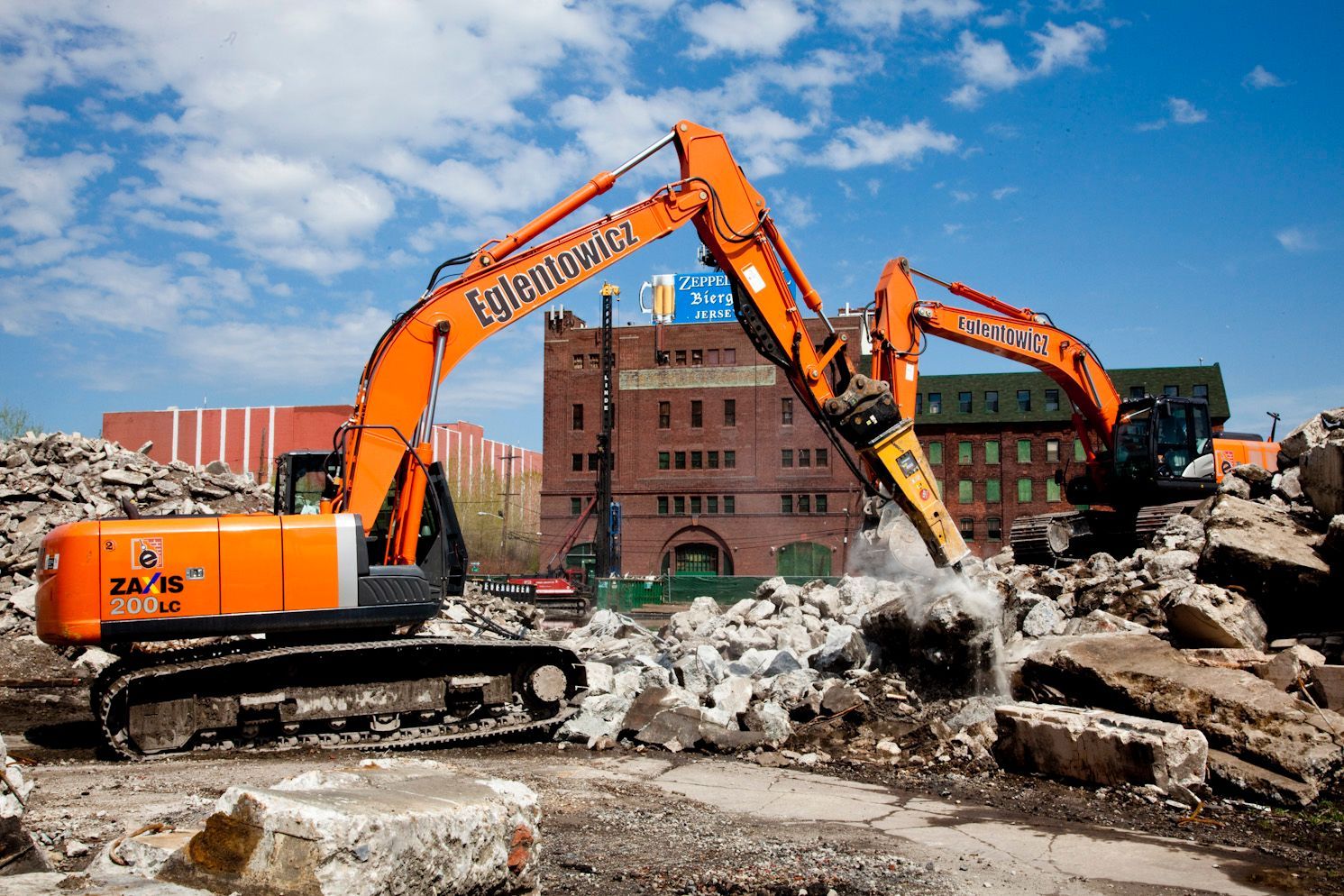
Navigating the complexities of heavy property management requires a clear understanding of when to preserve, when to upgrade, and when to clear the way for the future. Industrial dismantling stands out as a precise, sustainable, and highly efficient solution for businesses facing the challenges of outdated equipment, facility relocation, or hazardous site mitigation. By prioritizing asset recovery and environmental responsibility, this specialized methodology transforms what could be a chaotic destruction process into an orderly, value-generating project. When your organization faces the daunting task of managing complex structural changes, working with seasoned professionals makes all the difference in achieving a successful outcome. To ensure that your next project is completed safely, efficiently, and in full compliance with all regulations, contact Eglentowicz Demolition & Environmental Company.














Share On: