
Minimizing Downtime During Active-Site Industrial Dismantling and Plant Decommissioning
Industrial facilities need to remove outdated equipment and prepare spaces for new operations without disrupting active production. Successful industrial dismantling requires careful scheduling, employee access coordination, environmental planning, and clear communication among facility managers, contractors, and safety personnel to minimize avoidable delays.
According to The Business Research Company, the industrial demolition service market is expected to grow at an annual rate of 6.2%. This projected growth reflects the continuing need for specialized services as industrial facilities modernize, relocate, and retire aging infrastructure. For businesses planning facility changes, understanding how to manage schedules and site conditions is essential to maintaining continuity.
Establishing a Clear Decommissioning Plan
A successful project begins with a detailed understanding of the facility and the work required. Before crews begin industrial dismantling, project leaders should identify which areas will remain active, which systems must be taken offline, and what equipment or structures need to be removed. This information helps establish a realistic sequence of work and reduces the likelihood of unexpected interruptions.
Facility managers should coordinate with operations teams to understand production schedules, delivery routes, employee access points, and critical utilities. These details influence when specific work areas can be accessed and whether certain activities need to happen outside normal operating hours. A clearly defined schedule also gives employees and contractors a shared understanding of project milestones.
The initial assessment should account for the condition of existing structures, machinery, utilities, and surrounding materials. Older industrial properties may contain complex connections or equipment that requires specialized handling. Identifying these conditions early gives the project team an opportunity to plan appropriate resources and avoid delays caused by incomplete information.
Coordinating Work Around Active Operations
When a facility continues operating during decommissioning, separating construction activities from production areas becomes a major priority. Work zones should be clearly established so employees, visitors, and contractors understand where access is permitted. Physical barriers, controlled entry points, and appropriate signage can help maintain separation between active operations and demolition activities.
Scheduling also plays an important role. Some tasks may be completed during planned maintenance periods, scheduled shutdowns, or lower-production hours. Others may require temporary utility interruptions or restricted access. Coordinating these activities with facility management helps reduce conflicts with essential operations.
A contractor experienced in industrial dismantling understands that work sequencing must account for the facility's operating conditions. Removing equipment in the wrong order, blocking an important access route, or interfering with an active utility system can create unnecessary complications. Regular coordination meetings help teams review upcoming activities, address concerns, and adjust schedules when conditions change.
Evaluating Equipment and Utility Connections
Industrial facilities often contain interconnected machinery, electrical systems, piping, ventilation equipment, and other infrastructure. Removing one component without understanding its connections can affect nearby systems or create additional work. A thorough assessment helps determine which utilities must be isolated and which components require specialized removal procedures.
Before equipment is taken out, qualified personnel should identify relevant energy sources and follow established isolation and lockout procedures. These measures help prevent unexpected activation or the release of stored energy during the work. Utility coordination is particularly important when sections of a facility remain operational, since one system may serve multiple production areas.
Equipment inventories can also improve scheduling. Documenting machinery locations, dimensions, connections, and intended disposition helps project teams determine the appropriate handling requirements. Some equipment may be retained, relocated, recycled, or transferred to another facility, while other materials may need to be removed through approved disposal channels.
Managing Environmental and Material Requirements
Environmental considerations can influence both the schedule and the methods used during plant decommissioning. Depending on a facility's age, history, and operations, materials may require testing, controlled removal, or specialized disposal. Potential concerns can include asbestos-containing materials, lead-based coatings, contaminated soil, chemical residues, and industrial waste.
These conditions should be evaluated before affected areas are disturbed. Required inspections, sampling, permits, and removal procedures need to be incorporated into the project schedule. Leaving environmental assessments until work is underway can lead to unexpected stoppages and additional coordination requirements.
Experienced contractors understand the importance of identifying regulated materials and arranging appropriate handling procedures. Professional industrial dismantling may involve coordination with environmental specialists, waste management providers, and regulatory authorities to ensure that materials are managed according to applicable requirements.
Waste planning can also support efficiency. Separating recyclable metals, reusable equipment, and materials requiring specialized disposal helps reduce confusion during removal. Clearly identified collection areas and transportation arrangements can keep work zones organized while supporting responsible material management.
Maintaining Safe and Organized Work Areas
An active industrial site presents challenges that extend beyond the demolition area. Employees may continue moving through nearby corridors, receiving deliveries, or operating equipment while contractors complete scheduled work. Maintaining organized work zones helps reduce interference and supports safer movement throughout the property.
Before each phase begins, project teams should review access restrictions, equipment movement, overhead work, and potential interactions with nearby operations. Emergency routes and essential facility access must remain available according to the site's safety requirements. Any necessary changes should be communicated before they affect daily activities.
Good housekeeping is equally important. Removed materials, tools, temporary equipment, and debris should be managed so they don't obstruct walkways or interfere with nearby operations. Consistent cleanup also makes it easier for supervisors to assess work progress and prepare areas for the next phase.
An industrial dismantling contractor should maintain communication with facility representatives throughout the project. When site conditions change, teams need a clear process for reporting concerns and coordinating adjustments. This helps prevent small issues from developing into larger scheduling or safety problems.
Monitoring Progress and Addressing Delays
Even a carefully planned project can encounter unexpected conditions. Equipment may be more difficult to remove than anticipated, concealed connections may require additional assessment, or environmental findings may affect the planned sequence. A project team that monitors progress consistently can respond before these issues create extensive delays.
Progress tracking should connect completed work to the overall project schedule. Facility managers and contractors can review milestones, upcoming shutdowns, resource availability, and outstanding approvals during regular meetings. This creates opportunities to identify conflicts early and determine whether adjustments are necessary.
Clear responsibility assignments also improve coordination. When everyone understands who approves access, communicates operational changes, manages waste documentation, and coordinates utility work, decisions can be made more efficiently. Consistent documentation gives stakeholders a shared record of completed tasks, outstanding concerns, and schedule changes.
For complex industrial dismantling projects, flexibility is valuable, but changes should still follow an established review process. Rushing to recover lost time without evaluating safety, environmental, or operational implications can create greater complications. A practical schedule should allow for necessary inspections and controlled work rather than relying on unrealistic completion targets.
Selecting an Experienced Industrial Contractor
The contractor's experience can have a direct effect on project coordination and downtime management. Industrial facilities have different layouts, operating requirements, equipment types, and environmental considerations. A provider should understand how to plan work around these conditions instead of applying a one-size-fits-all approach.
When evaluating contractors, businesses should consider experience with industrial demolition, equipment removal, site preparation, and environmental services where applicable. It’s also important to discuss communication practices, project scheduling, safety procedures, and how unexpected site conditions will be addressed.
A reliable contractor should be able to explain the proposed work sequence and identify areas that may require coordination with facility personnel. Project discussions should also clarify the responsibilities of the contractor and property owner, including access approvals, utility coordination, and required documentation.
For facilities in and around Kearny, New Jersey, local project conditions and applicable requirements should be considered during planning. An experienced provider can help businesses understand the scope of work and coordinate the services needed for an orderly transition.
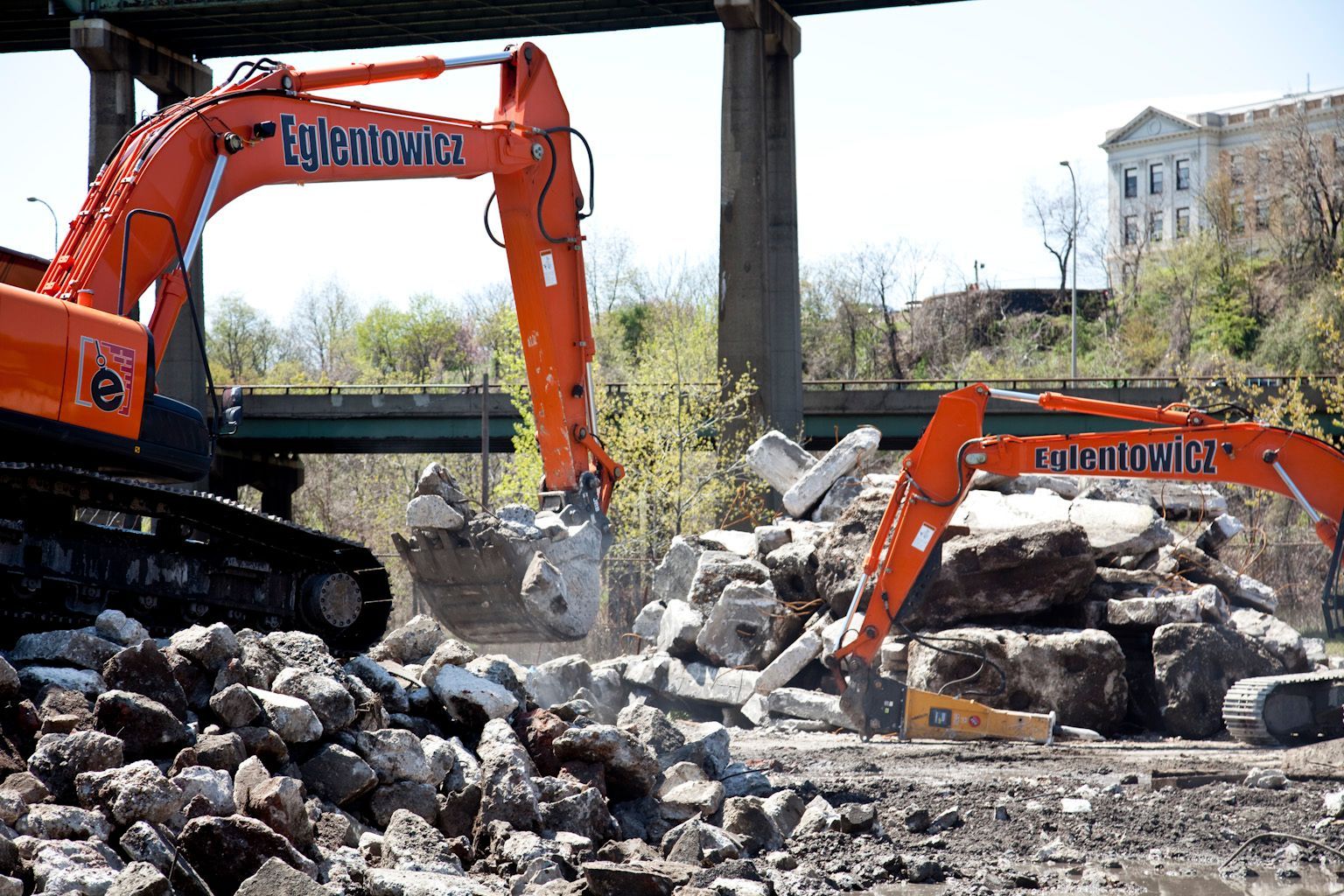
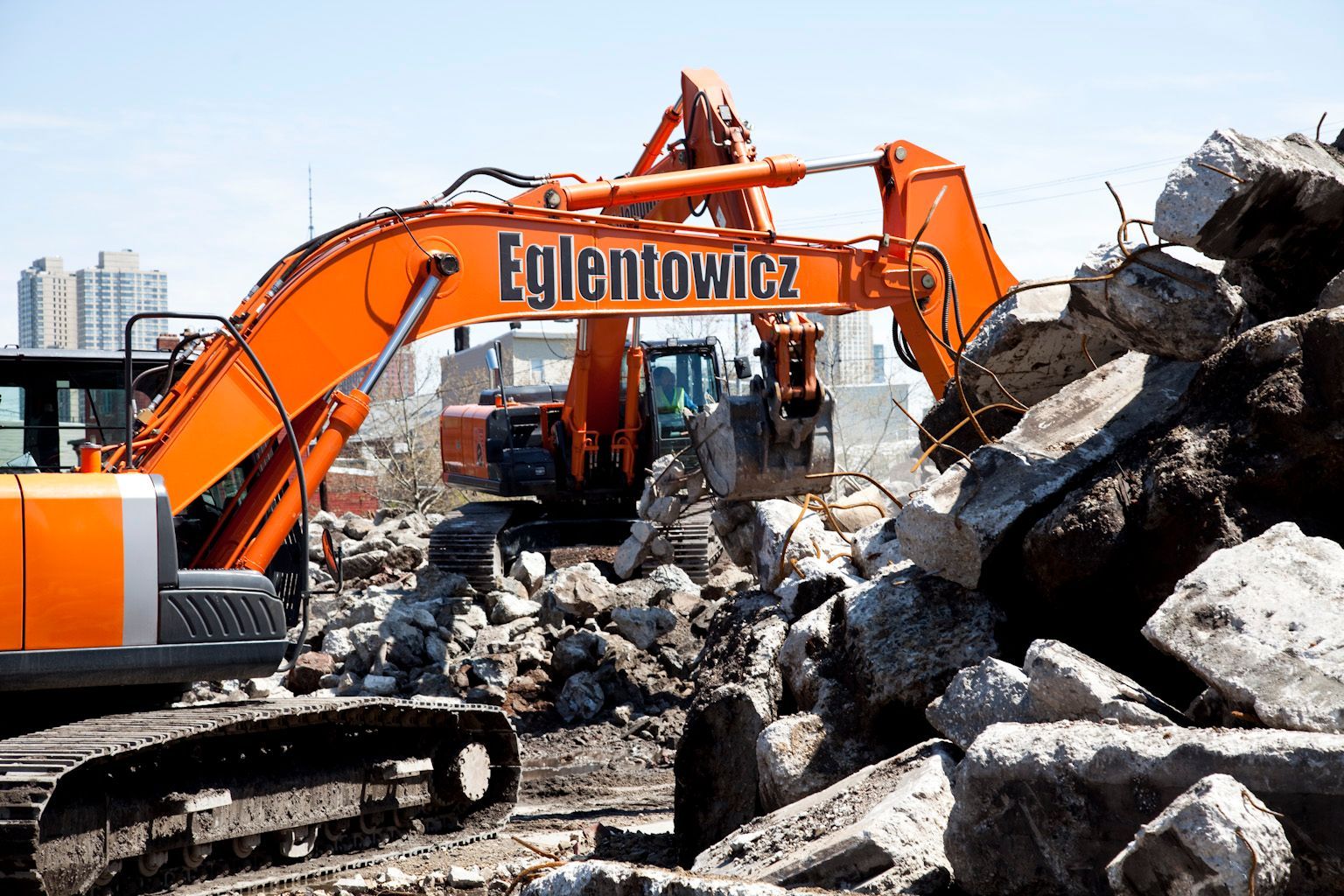
Minimizing downtime during industrial dismantling requires preparation, communication, and careful scheduling. Coordinating active operations, utility access, and environmental requirements helps businesses limit disruptions. Eglentowicz Demolition & Environmental Company provides demolition and environmental services for changing facility needs. Contact the team to discuss your facility project requirements.











Share On: